BLOG

How to Choose the Right Palletizer Machine

Choosing the right palletizer machine is not simply a matter of selecting the fastest model. It means matching the equipment to your products, line layout, and daily operating demands. A pallet pattern that works for sturdy cartons may fail with soft bags or uneven cases. Small details matter: package dimensions, layer stability, pallet size, and available floor space can all shape the decision.

Lean manufacturing pioneer Taiichi Ohno offered a useful principle: “Where there is no standard, there can be no kaizen.” Applied to palletizing, that means defining today’s requirements before comparing machines. Measure actual line speed, note product changes between shifts, and record how often operators adjust or clear the line. A supplier’s demonstration can help, but only if it uses packaging and pallet patterns similar to yours. That distinction is easy to overlook.

This guide explores the practical choices behind a palletizer machine, from conventional and robotic designs to integration, safety, maintenance, and future capacity. It also considers trade-offs. A faster system may need more space, while a flexible robot may require careful programming and gripper selection. There is no universal winner. I would not treat a specification sheet as proof of fit; real products can behave differently under production conditions. Ask for a trial with your own cases, confirm service support, and involve the people who run the line. Their observations often reveal the problems a neat layout drawing misses.
How to Choose the Right Palletizer Machine

Identify Your Palletizing Needs and Operating Requirements

Before selecting a palletizer, map the actual work at the end of your line. Start with the load. Record each product’s dimensions, weight, packaging strength, and daily volume. Note how many case sizes run per shift, and how often operators change patterns. Measure available floor space, ceiling clearance, conveyor height, and the distance to the stretch wrapper. A heavy, slippery case behaves differently from a small carton, especially when layers shift during transfer. Specify the required cases per minute and peak-hour demand, not just the daily average. Include planned breaks and product changeovers. Those details affect whether a system can meet output without constant intervention.

Industry figures offer context, not a design answer. The International Federation of Robotics reported 541,302 industrial robot installations worldwide in 2023; that figure covers many applications, not palletizers alone. MHI’s 2024 Annual Industry Report found that 55% of respondents planned to increase supply-chain technology investment in 2024. For your site, compare manual, robotic, and conventional systems against measured throughput, staffing, pallet patterns, and maintenance capacity. Check whether future product sizes will fit. Ask operators to review the proposed workflow; they often spot awkward reach or jam points on a drawing. A spreadsheet can miss those. I’ve seen a neat layout look convincing until a full pallet blocks a service aisle. Document assumptions, then test a sample load before finalizing specifications.

Compare Palletizer Types and Their Capabilities

How to Choose the Right Palletizer Machine
Compare Palletizer Types and Their Capabilities

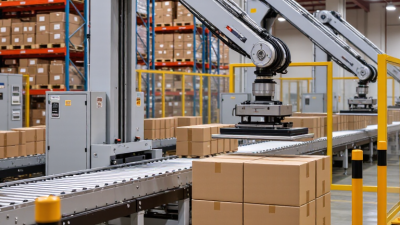
Palletizer choice depends on package shape, production rate, and available floor space. Conventional layer palletizers build complete rows before placing them on a pallet. They suit steady, high-volume lines with consistent carton sizes. Robotic palletizers use a gripping tool to place cases in varied patterns. They offer flexibility when products change often, though tooling and programming require careful planning. Both have limits.

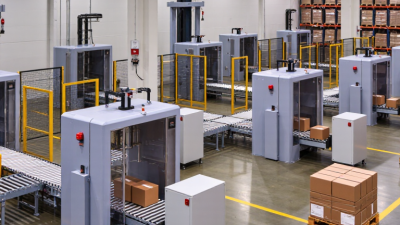
Consider the whole line, not just the machine. A fast palletizer can still wait if upstream conveyors feed cases unevenly. Check case weight, pallet dimensions, changeover frequency, and required stack stability. Ask for a trial using your actual cartons. Watch how the machine handles a soft box or a slightly misaligned case. Small details matter. A compact cell may fit a tight area, but leave room for safe access and maintenance. Real layouts are rarely perfect.

Tips: Compare rated speed with your busiest shift, not an ideal run. Confirm how patterns are changed and what operator training involves. If product mixes vary, robotic flexibility may justify extra setup effort; for repetitive output, a layer system may be simpler. Measure twice. A mistaken footprint estimate can disrupt the entire line.

Check Product, Pallet, and Facility Compatibility

A palletizer must handle the product as it arrives, not just as shown in a specification sheet. Record package dimensions, weight, surface texture, and how cases are oriented on the conveyor. Soft bags can sag; tall cartons may wobble during transfer. Check whether product sizes change between shifts or seasons. Small details matter. A machine tested only with perfect cartons may struggle with slightly crushed corners or uneven wrapping.

Match the machine to the pallet’s dimensions, entry direction, and load pattern. Confirm the maximum stack height and total weight, including the pallet itself. Some pallets have broken boards or uneven surfaces, which can affect stability. Do not assume every incoming pallet is identical. A sample load, built with real products, can reveal leaning cases or gaps that drawings miss.

The facility can be the deciding factor. Measure ceiling height, aisle width, floor condition, and space for guarding, maintenance, and pallet removal. Check conveyor elevations and nearby equipment before choosing a layout. Operators also need clear access to controls and routine service points. A compact machine may look ideal on a floor plan, but leave too little room for safe adjustments. I would verify these measurements on site; plans are not always current.

Evaluate Speed, Flexibility, and Total Cost of Ownership

A palletizer’s advertised rate is only useful if it matches your actual line. Compare expected cases per minute with peak demand, including brief surges after changeovers. Peak speed is seductive. But a machine that runs quickly with one carton size may slow when packages vary in height, weight, or stability. Ask for a demonstration using your own products and pallet pattern. Watch how often an operator must clear a misaligned case or reset a layer.

Flexibility has a practical cost. Frequent format changes may require adjustable guides, recipe controls, or extra operator training. Check how long a changeover takes and whether one person can complete it safely. A few minutes can matter when several package formats share a shift. Plan for reality. Your production schedule may be less tidy than the spreadsheet suggests.

Total cost of ownership includes more than purchase price. Estimate energy use, routine service, spare parts, training, and labor over the machine’s working life. Also consider downtime: a low-cost unit can become expensive if a small fault stops the entire line. Request clear maintenance intervals and confirm which components need regular replacement. Even a careful estimate will be imperfect; record your assumptions, then test them against a typical production week.

How to Choose the Right Palletizer Machine - Evaluate Speed, Flexibility, and Total Cost of Ownership

Compare common palletizing approaches using planning-level ranges. The right choice depends on product, package, pallet pattern, operating schedule, and required line rate.

Palletizer Type Typical Throughput Flexibility Indicative Installed Cost (USD) Typical Annual Maintenance Best Fit Key Total Cost of Ownership Considerations
Conventional low-level palletizer Approximately 10–40 cases per minute Low to moderate. Changeovers may require mechanical adjustments; suited to a limited range of package sizes and pallet patterns. $150,000–$500,000 Often budgeted at about 3%–8% of equipment cost per year Steady production lines with a small number of established products and moderate volume. Consider changeover labor, downtime during format changes, infeed equipment, guarding, and the cost of adding capacity later.
Conventional high-level palletizer Approximately 30–100+ cases per minute, depending on configuration and package Low to moderate. High output is achievable, but product and pattern changes can require dedicated setup or mechanical changes. $300,000–$1,000,000+ Often budgeted at about 3%–8% of equipment cost per year High-volume lines with consistent packages, patterns, and long production runs. Higher initial investment and integration needs may be offset by throughput. Account for building height, conveyors, utilities, safety systems, and planned maintenance downtime.
Industrial robotic palletizer Approximately 8–25 cases per minute per robot in many case-palletizing applications High. Programs and end-of-arm tooling can support multiple products and pallet patterns, subject to payload, reach, and cycle-time limits. $100,000–$400,000 Often budgeted at about 2%–6% of equipment cost per year Operations with multiple SKUs, changing pallet patterns, or limited floor space. Include tooling changes, programming and integration, safety guarding, spare parts, and whether the required rate needs one robot or multiple cells.
Collaborative robotic palletizer Approximately 4–12 cases per minute in many applications High for product and pattern changes. Payload, reach, and speed limits may restrict the applications it can handle. $60,000–$180,000 Often budgeted at about 2%–6% of equipment cost per year Lower- to moderate-rate lines, frequent changeovers, or sites where a compact, reconfigurable cell is valuable. Assess achievable rate with the actual case and pallet pattern. Risk assessments, safety equipment, grippers, and operator interaction can affect project cost and cycle time.

Planning notes: Throughput and cost ranges are indicative estimates, not guaranteed specifications or quotations. Actual results vary with case dimensions and weight, pallet pattern, layer formation, infeed stability, integration scope, site conditions, and safety requirements. Annual maintenance percentages are budgeting guidelines; request lifecycle cost estimates and performance data for the proposed application. Total cost of ownership should also include labor, energy, downtime, training, tooling, and expected service life.

Review Safety Features, Integration, and Supplier Support

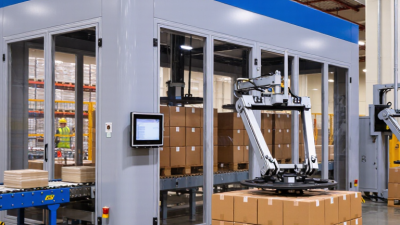
A palletizer should protect people as well as move cases. Review fixed guards, interlocked access doors, and clearly marked emergency stops. Ask how the machine slows or stops when a case jams. Test it live. Operators should be able to reach routine controls without leaning across moving equipment.

Safety details can look minor on a specification sheet. In practice, a poorly placed reset button may encourage awkward workarounds. Check sightlines around the pallet area, especially when loads block the view. Confirm that cleaning and jam-clearing procedures are practical for the actual shift team. A fast cycle is not useful if safe access makes recovery difficult.

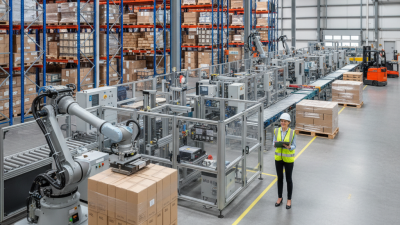
Integration deserves a close look. Compare the palletizer’s infeed height, conveyor speed, pallet dimensions, and available floor space with your existing line. Ask who handles controls changes and commissioning, and how downtime is managed during installation. A demo may use ideal cartons; test your real case sizes and packaging, including occasional damaged boxes.

Supplier support matters after startup. Request operator and maintenance training, clear fault documentation, spare-parts availability, and realistic service response times. Ask for examples of similar installations, then speak with a customer if possible. I would not assume every promised feature will fit your workflow; write down open questions and verify them before approving the final layout.

Go to Top