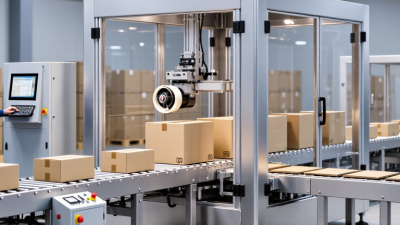
Choosing a lantech stretch wrapper in 2026 starts with the loads you actually ship, not the features that look impressive on a brochure. Measure typical pallet dimensions, note the tallest and heaviest loads, and watch how they behave during handling. A stable box pallet and a shifting mixed-load pallet may need different wrapping settings. Small details count.
The right machine should match your daily throughput, available floor space, and operators’ routine. Consider how often pallets arrive, whether loads vary by shift, and how easily staff can reach controls or replace film. Check the wrapper’s specifications against your load range, and confirm installation, training, parts, and service support with the supplier. These practical checks help avoid choosing capacity you will rarely use—or a machine that struggles during busy periods.
Film use and load containment deserve equal attention. Ask how the proposed setup handles your products, and evaluate sample loads under real operating conditions where possible. A neat-looking pallet is not always a secure one. Results depend on the load, film, settings, and handling after wrapping, so no single machine guarantees performance in every application. A tidy specification sheet can still leave important questions unanswered. That is worth admitting.
This guide explains how to compare Lantech stretch wrapper options in 2026, from application fit and automation level to operating costs and support. The goal is a reasoned shortlist based on measurable needs, not a rushed purchase.
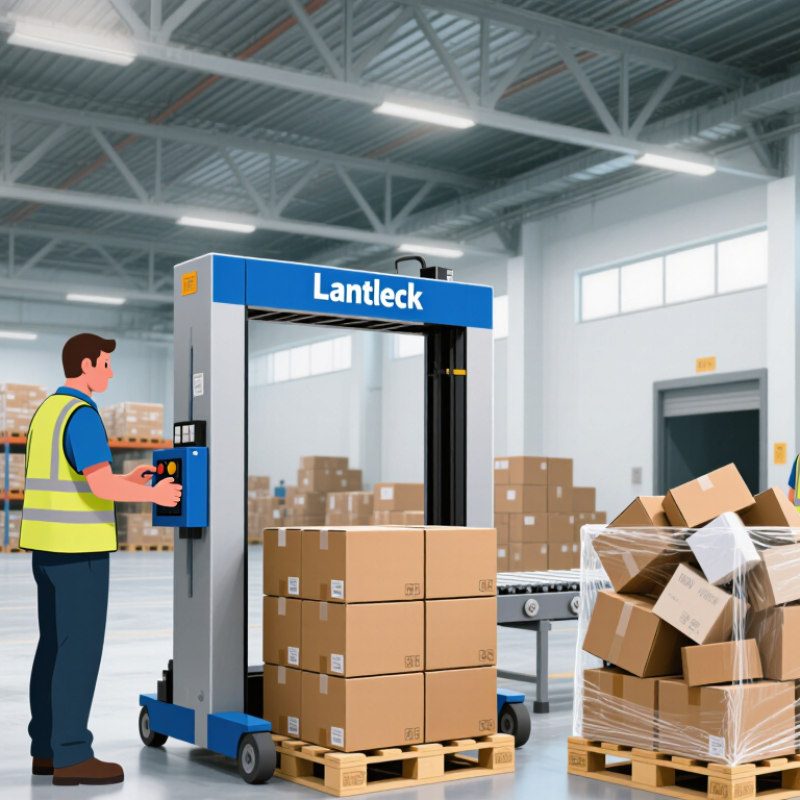
A wrapper should match the load, not just the pallet. Record the widest and tallest points, total weight, and how often each load profile runs. Record the awkward loads, too. The National Wooden Pallet and Container Association reports that 48-by-40-inch pallets represent roughly 30% of new wood pallets produced in North America. That share is a useful reference, not a safe assumption: measure your own pallet mix, including overhang and unstable cartons.
Next, note whether loads are uniform, mixed, fragile, or prone to shifting. Tall cartons may need a slower turntable and controlled film tension; dense, low loads may need a different containment pattern. Include daily load counts, shift length, and space for operators to stage pallets.
ASTM D4649’s guide to stretch-film selection and use emphasizes matching film properties to unitizing and containment needs. In practice, test representative loads, then check for film breaks, crushed corners, and movement during handling. A clean-looking wrap can still fail. Compare pre-stretch and film settings with the actual load, not a brochure estimate. Keep a few edge cases in the trial; they often reveal what the average pallet hides.
Choosing a pallet wrapper in 2026 starts with the load, not the machine’s headline speed. A turntable rotates the pallet while the film carriage moves vertically. It often suits stable, regularly shaped loads and compact work areas. But a tall stack of loose cartons may sway as the platform turns. That detail is easy to miss during a showroom demo.
A rotary-arm design keeps the pallet stationary while an arm carries film around it. Consider this option for unstable, heavy, or awkward loads that should not rotate. A ring wrapper moves film around a load on a conveyor, making it suitable for consistent, higher-volume lines. It also needs reliable infeed and discharge spacing. MHI’s 2024 Annual Industry Report found that 55% of respondents planned to invest more than $1 million in supply-chain technology over the following two years. That signals broader automation interest, not a guarantee that a faster wrapper will pay off. The awkward part is that real line stops can erase theoretical gains.
Tips: Time several real loads, including the least stable one. Record wraps per hour, film use, and operator handling. Check pallet dimensions and load height against machine limits. Ask for a trial with your own products. A clean test load can mislead.
When choosing a stretch wrapper in 2026, begin with the production line, not the machine’s headline speed. Count pallets during a representative busy shift, then note peak periods, changeovers, and staffing levels. Measure the largest and heaviest loads, too. A tall, unstable pallet may need a different setup than a compact, uniform one. Watch the bottleneck.
Compare the wrapper’s rated capacity with the pace your line must sustain, and ask how that figure was tested. Film changes, operator access, and conveyor delays can reduce real output. If production varies, a machine with adjustable settings may be more useful than one built only for maximum speed. Keep the loading pattern in mind.
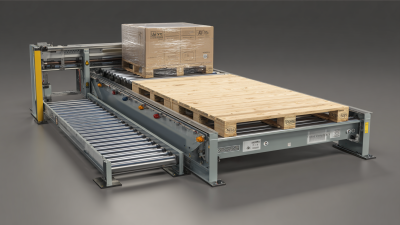
Automation should solve a specific labor or consistency problem. A turntable system may suit lower volumes and flexible floor plans; an in-line system can help where pallets arrive continuously. Consider automatic film cutting and application only if they remove recurring manual steps. More automation is not always better. It also adds setup, maintenance, and training needs.
Before deciding, test representative loads and inspect the wrap at the top, middle, and base. Ask operators whether controls are clear and film rolls are easy to change. Track current labor time, damaged loads, and film use as a baseline. A spreadsheet can miss awkward access or uneven floors, so leave room for a practical site review.
Choosing a Stretch Wrapper in 2026
Film control should match the load, not just the machine’s maximum pre-stretch. Compare adjustable film tension, pre-stretch ratios, and force-to-load settings across light cartons and dense pallets. Watch the corners. Excess tension can crush soft boxes, while too little containment lets top layers shift during transport. PMMI’s 2023 State of the Industry report valued U.S. packaging machinery shipments at about $11.3 billion, reflecting a substantial investment in production equipment. But a higher specification alone does not guarantee less film use. Test real loads. A perfect test pallet may not represent mixed products on a busy shift.
Check how operators access the turntable, film carriage, and emergency stops. Look for interlocked guards, clear fault messages, and safe access for film changes. Then examine integration: can the wrapper exchange ready, running, and fault signals with upstream conveyors or a plant control system? Confirm that pallet dimensions, line speed, and recipe changes transfer reliably. MHI’s 2024 Annual Industry Report found that 55% of respondents planned to increase technology investment, making compatibility a practical purchasing question. Ask for a live test with your actual loads and controls. No setting is magic. Record film use, cycle time, and load stability during the trial; those measurements can expose trade-offs that a showroom demonstration misses.
| Wrapper configuration | Film-control options to compare | Typical operating fit | Safety features to evaluate | Integration options | Key questions before selection |
|---|---|---|---|---|---|
| Semi-automatic turntable | Compare manual or powered film-tension control, film carriage speed, and whether powered pre-stretch is available. Confirm the stretch setting can be adjusted for different loads and films. | Often suited to lower-volume operations where an operator loads and unloads each pallet. The pallet rotates on a turntable. | Check for accessible emergency stops, guarded pinch points, clear operating instructions, and safe access around the rotating table. Assess the full work area for pedestrian and forklift traffic. | Usually operated as a stand-alone station. Floor space and a suitable method for moving pallets to and from the wrapper are important planning considerations. | What are the pallet dimensions and weights? How many loads are wrapped per shift? Can operators reach the controls without entering a hazardous area? |
| Semi-automatic rotary arm | Compare film tension and powered pre-stretch controls, film delivery consistency, and the available wrap-pattern settings. Confirm how film is attached and cut at the end of a cycle. | Can be considered for unstable, lightweight, or tall loads that may be unsuitable for rotation on a turntable. The load stays stationary while the arm travels around it. | Evaluate the arm’s guarded travel area, emergency stops, access control, and any required light curtains or interlocked fencing. Safety devices should be selected through a site-specific risk assessment. | May be used as a stand-alone machine or positioned near a conveyor. Check access for loading, unloading, film changes, and maintenance. | Could load movement cause damage or instability? Is there sufficient clearance for the arm’s full rotation and for safe operator access? |
| Automatic turntable | Compare adjustable film force, powered pre-stretch, selectable wrap cycles, and film-tail control. Ask whether settings can be stored or repeated for different load recipes. | Typically considered for repeatable, higher-throughput wrapping when pallet rotation is acceptable. Automatic loading, wrapping, and discharge depend on the system layout. | Review interlocked guarding, emergency-stop locations, access gates, and protection at conveyor transfer points. Verify how the machine stops and resets after an access-door opening or fault. | Can be configured with infeed and outfeed conveyors, a programmable logic controller (PLC), and production-line signals. Confirm required handshake signals and fault-status outputs. | What line speed and pallet spacing are required? Which conveyor heights, directions, and control signals must match the existing line? |
| Automatic rotary-arm system | Compare powered film delivery, adjustable pre-stretch and tension, repeatable wrap recipes, and automatic film attach and cut functions where required. | Often evaluated for continuous or higher-throughput lines, especially where rotating the load is undesirable. The arm moves around a stationary pallet. | Assess the entire arm sweep and conveyor area. Check interlocked guarding or safety-rated presence sensing, emergency stops, restart controls, and maintenance access against the site risk assessment. | May connect to powered conveyors, upstream pallet detection, downstream release signals, and a PLC or supervisory system. Agree on signal lists, fault handling, and safe-stop behavior before installation. | Can the line supply and discharge pallets at the required rate? Are conveyor, controls, guarding, and maintenance interfaces defined for the complete cell? |
| Film and load validation | Test the actual film grade, roll width, load shape, and wrap pattern. Compare film use and load containment at the required tension; a higher pre-stretch setting alone does not guarantee better load stability. | Applies to every configuration. Product edges, pallet condition, load weight, and shipping conditions can affect wrapping results. | Include film-roll handling and threading in the operator risk review. Provide suitable training and follow the machine-specific operating and maintenance instructions. | If collecting production data, establish which cycle counts, alarms, or status signals are available and how they will be connected to site systems. | Can the supplier demonstrate repeatable containment on representative loads using the intended film and operating settings? |
Planning note: Features, capacities, safety devices, and communication interfaces vary by machine and configuration. Verify current specifications, site requirements, and applicable safety obligations with the equipment supplier and a qualified safety professional before purchase.
A stretch wrapper should be judged by the cost of owning it, not its purchase price alone. Estimate film use per pallet, expected daily loads, labor time, and the cost of unplanned downtime. For example, compare a shift wrapping 80 mixed-height pallets with one handling 300 uniform loads. Their needs differ. Record current film breaks and damaged loads, too; those figures can expose costs that a sales estimate may miss.
Service requirements deserve equal attention. Ask how quickly a technician can respond, which wear parts should stay on site, and what routine checks operators can perform. A clear maintenance schedule helps prevent small issues, such as a dirty sensor or worn roller, from stopping a busy line. Check training needs and service coverage for every operating shift. Promises are not a maintenance plan.
For 2026 upgrades, map the wrapper to the equipment around it. Confirm conveyor height, available floor space, power supply, and how pallet data reaches your tracking system. If automation is planned later, ask whether controls and guarding can support that change without major rework. A neat spreadsheet can still miss awkward pallet shapes or seasonal peaks. Test representative loads before deciding, and leave room for uncertainty in the budget.