What is a Lantech Stretch Wrapper and How Does It Work?
The Lantech Stretch Wrapper stands out as a vital tool in modern packaging. It is designed to enhance efficiency and protect goods during transport. By using stretch film, this system wraps products tightly, ensuring stability and reducing damage.
Understanding how the Lantech Stretch Wrapper operates is essential for businesses looking to optimize their packaging processes. Its technology allows for precise tension control, which minimizes material waste and lowers costs. As industries face increasing demands, the reliability of this equipment becomes evident.
Yet, challenges may arise during implementation. Properly setting up the Lantech Stretch Wrapper requires training and attention to detail. Businesses must continually assess their processes to avoid common pitfalls. The benefits, however, can lead to significant improvements in efficiency and product safety.
What is a Lantech Stretch Wrapper?
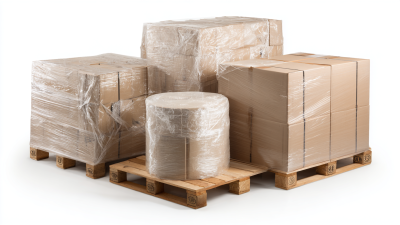
A Lantech Stretch Wrapper is a machine designed to secure items on pallets using stretch film. This process is crucial in the shipping and warehousing sectors. The machine wraps the film tightly around products, ensuring stability during transportation. It minimizes the risk of shifting and damage.
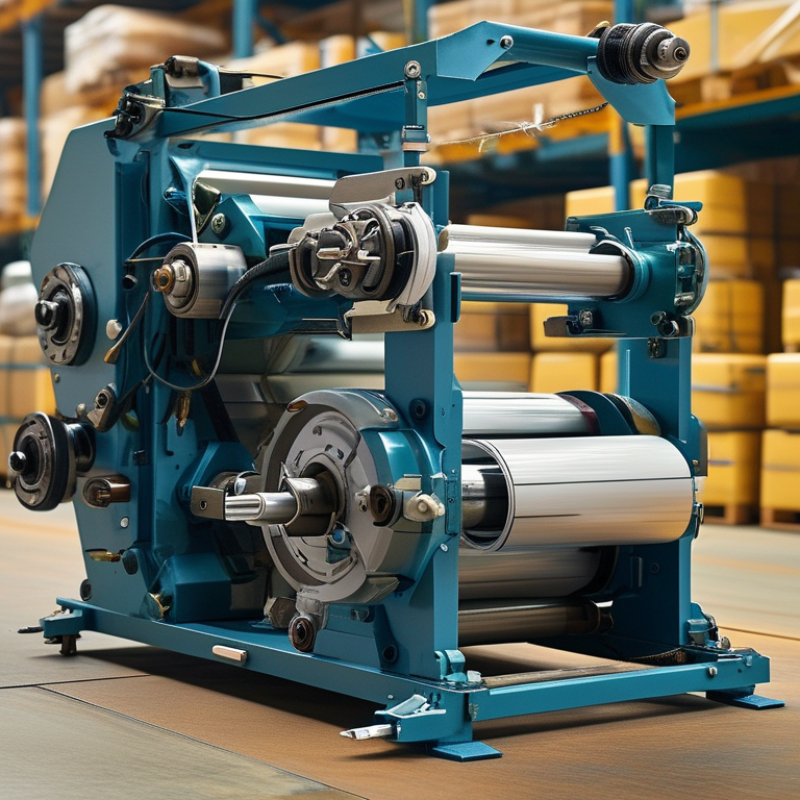
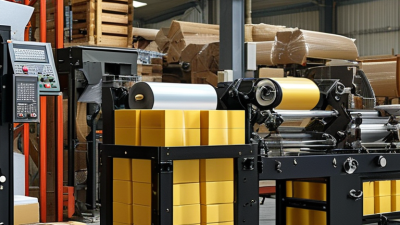
Understanding how it works involves recognizing its components. The wrapper uses rollers and a turntable to create tension. As the pallet spins, the film is applied at precise angles. The stretch technology allows the film to adhere closely to the load. This minimizes the amount of film needed, making it efficient.
Despite its benefits, there can be challenges. Improper loading techniques can lead to instability. Workers may not always use the machine correctly, which affects results. Regular maintenance is essential to keep the equipment functioning well. It's an important step that shouldn't be overlooked. Watching for wear and tear ensures long-term reliability.
Key Features of Lantech Stretch Wrappers: Technology Overview
Lantech stretch wrappers are well-known for their innovative technology in packaging. These machines utilize stretch film to secure loads for transportation. When a load is wrapped, film is extended around it, using tension to conform tightly. This reduces the risk of damage during shipping and storage. The process enhances stability, preventing shifts that could lead to accidents.
One key feature of Lantech stretch wrappers is their automation capabilities. These systems can significantly reduce labor costs. Workers spend less time manually wrapping products. However, automation comes with complexities. A machine malfunction can halt production, leading to inefficiencies. Operators must be trained to address these issues quickly.
Another notable aspect is the machine's versatility. They are designed to handle various load shapes and sizes. This flexibility allows businesses to streamline their packaging processes. On the flip side, improper film tensioning can lead to wasted material or inadequate load security. It's crucial to maintain the correct settings for optimal performance.
How Lantech Stretch Wrappers Enhance Load Stability and Security
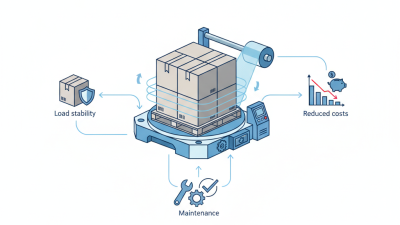
Lantech stretch wrappers play a vital role in enhancing load stability during storage and transportation. These machines utilize stretch film to tightly secure products onto pallets. By wrapping the load, they minimize movement and shifting, reducing the risk of damage. Properly wrapped pallets can withstand the challenges of handling and shipping, promoting safer delivery.
The technology’s efficiency stands out. The film's tension can be adjusted, accommodating various load shapes and sizes. This flexibility is essential for industries like manufacturing and logistics. However, it’s worth noting that improper settings can lead to inadequate wrapping and compromised load security. Regular maintenance and operator training are crucial for preventing such issues.
Beyond stability, stretch wrapping also contributes to inventory organization. Wrapped products are easier to stack and store. This process helps in optimizing available warehouse space. Yet, the reliance on mechanical processes means human error still exists. Operators must remain vigilant and continually assess the wrapping quality to ensure a secure load. Balancing efficiency with quality control is key in achieving optimal results.
Efficiency Metrics: The Cost-Savings of Using Lantech Stretch Wrappers
Lantech stretch wrappers are essential tools in the packaging industry. They effectively reduce costs and improve efficiency in shipping and storing products. By using these machines, companies can save significant amounts on packaging materials. Stretch wrapping minimizes material waste while ensuring secure packaging.
Efficiency metrics reveal that adopting stretch wrappers can lead to noticeable cost reductions. Improved load stability during transport lowers the risk of damage. This not only saves money on lost products but also enhances customer satisfaction. Companies that incorporate these wrappers often see quicker turnaround times and less labor needed for packing operations.
However, implementing stretch wrappers isn’t without challenges. Training staff requires time and resources. Additionally, initial investments might be substantial for some businesses. Regular maintenance and proper operation are crucial to avoid costly downtime. These factors demand careful consideration before making the switch.
Industry Applications: Where Lantech Stretch Wrappers are Most Beneficial
Lantech stretch wrappers have a wide array of applications across various industries. Particularly, they excel in environments with high packaging demands. Warehouses and distribution centers frequently rely on these machines for efficient pallet wrapping. The robust nature of the stretch wrappers ensures that products remain secure during transit, minimizing damage.
Food and beverage industries find these wrappers particularly beneficial. They can package items of various shapes and sizes without compromising efficiency. Moreover, stretch wrappers reduce the time employees spend wrapping loads by hand, which can be labor-intensive and error-prone. However, not all configurations suit every product type; adjustments may be necessary to optimize performance.
Manufacturers of fragile goods also utilize stretch wrappers. The careful application of stretch film offers both protection and stability. Inevitably, companies might face challenges with machine calibration or film selection. Experimentation is essential to determine the best fit for their specific packaging needs. This ongoing refinement process underscores the value of adapting technology to meet diverse operational requirements.