BLOG

How to Choose a Carton Erector Machine in 2026?

Choosing a carton erector machine in 2026 requires more than comparing speed figures on a supplier’s website. A machine may claim 30 cartons per minute, yet perform differently with recycled board, humid storage rooms, or irregular blanks. Real production conditions matter. So does the carton format.

This guide explains the practical questions buyers should ask before approving a purchase. We will examine carton dimensions, adhesive systems, changeover time, sensor reliability, operator access, and integration with conveyors or case packers. A well-designed machine should erect cartons consistently, not merely impress during a short demonstration. Ask for test runs using your actual cartons and tape or adhesive. Watch the machine after several hours, when dust gathers around sensors and minor alignment errors become visible.

No machine is perfect. That matters.

Experienced packaging teams also review maintenance records, spare-part availability, training quality, and the supplier’s response time. A low purchase price can become expensive when one worn guide stops the line for half a shift. Energy use, guarding, emergency controls, and documented quality procedures deserve equal attention. Requirements may differ by market, so buyers should confirm applicable safety and installation standards with qualified professionals.

The right carton erector machine should fit your packaging process, workforce, floor space, and future growth. It should also be measurable. Record erection accuracy, downtime, changeover minutes, and carton waste during evaluation. Some assumptions will fail in practice. That is why careful testing, honest supplier discussions, and a modest contingency plan remain essential in 2026.
How to Choose a Carton Erector Machine in 2026?

Define Output Needs: Match 10–30 Cases per Minute to Your Line

How to Choose a Carton Erector Machine in 2026?

Define output needs before comparing carton erector machines. A 10-case-per-minute line needs a different design than a 30-case-per-minute operation. At 10 cases per minute, the machine forms 600 cartons hourly before losses. At 30, that becomes 1,800 cartons. Yet nameplate speed is not actual production. Product changes, carton jams, glue checks, and replenishment reduce output.

Vorne’s OEE Industry Standard identifies 85% as a world-class benchmark. Using that reference, a 30-case-per-minute erector may deliver about 25.5 usable cases per minute. A 10-case line may deliver 8.5. This simple calculation helps expose unrealistic targets. PMMI’s 2024 U.S. Packaging Machinery Shipments Study also highlights automation and labor availability as important investment drivers. Still, higher speed is not always better. A fast machine can create more rejects if carton quality varies. I have seen planning fail when teams measured peak speed, not sustained speed.

Tips: Record the slowest shift, not the best trial. Add space for carton blanks, operator access, and downstream backups. Test three carton sizes under real humidity and board conditions. Ask for sustained output data, changeover time, and jam recovery performance. A machine reaching 30 cases per minute for five minutes proves little. Line stability matters more.

Check Carton Compatibility: Sizes, Flute Types, and 32–44 ECT Board

How to Choose a Carton Erector Machine in 2026?

Carton compatibility should guide your machine choice, not production speed alone. Measure the carton’s length, width, height, flap depth, and folded thickness. A machine may accept standard boxes but struggle with short flaps or narrow panels. Small differences matter.

Check the flute structure carefully. E-flute cartons are thin and can buckle under aggressive suction or compression. B-flute offers more cushioning, while C-flute usually needs more forming clearance. Double-wall BC board requires stronger handling and wider adjustment ranges. The machine must also support your board strength, especially 32–44 ECT materials. ECT measures edge crush strength, but it does not describe every carton behavior. Moisture, recycled fiber, printing, and score quality can change performance.

Test real cartons.

In production trials, run samples from each size and flute combination. Watch the magazine, suction cups, side belts, and flap-folding guides. A carton that erects well for ten cycles may still jam after an hour. I have seen 44 ECT boxes crack at the score line when guides were set too tightly. That result was not expected. It showed why laboratory specifications cannot replace floor testing. Leave adjustment space for warped blanks, changing suppliers, and seasonal humidity. Ask for documented operating ranges, sample trials, and maintenance access before approving the machine.

Compare Erecting Systems: Intermittent Versus Continuous Motion

How to Choose a Carton Erector Machine in 2026?

Choosing between intermittent and continuous motion starts with the carton, not the machine brochure. Intermittent systems stop briefly while forming and sealing each box. They usually offer simpler setup, lower entry cost, and steady performance at moderate speeds. Continuous systems keep cartons moving through the forming cycle. They can support higher output and smoother feeding, but timing errors become more costly. Small carton warping can create repeated jams.

PMMI’s 2024 Packaging Machinery Trends report identifies labor shortages, automation, and quicker changeovers as major purchasing pressures. These findings support continuous motion where production runs are long and stable. Technical surveys commonly place intermittent erectors near 10–30 cartons per minute, while continuous systems may exceed 40 cartons per minute. Actual results depend on board quality, carton dimensions, and operator skill. Speed claims need testing.

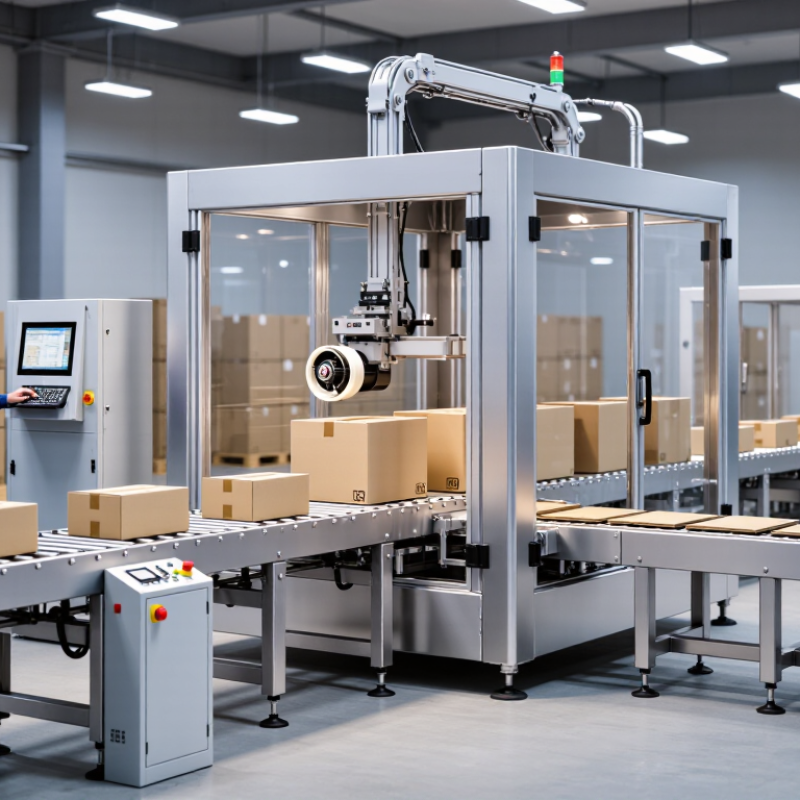
During a factory trial, check the carton magazine, compression belts, and glue or tape timing. Watch the machine after an hour, not only during a short demonstration. Intermittent motion may be the better choice for mixed carton sizes and frequent product changes. Continuous motion deserves consideration when one format runs for several shifts. Smithers’ 2024 packaging outlook also links automation growth with pressure for higher productivity and reliable labor utilization. That does not make faster equipment automatically better. A poorly matched erector can waste board, floor space, and maintenance hours. I would request measured output, jam frequency, changeover time, and rejected-carton data before approving the purchase.

Verify Sealing Options: Tape, Hot-Melt Glue, and 120–180°C Operation

When choosing a carton erector in 2026, sealing verification deserves more attention than appearance. Tape sealing remains practical for clean, dry corrugated board. I inspect the tape path, roller pressure, carton flap alignment, and cutting accuracy. Dusty recycled board can defeat a good machine. The sealing head should maintain contact without crushing the box. Short trials reveal more.

Hot-melt glue demands closer temperature control. A working range of 120–180°C may suit different adhesive formulations, board coatings, and line speeds. Do not treat this range as a universal setting. At lower temperatures, glue may spread poorly or bond slowly. At higher temperatures, it can string, char, or damage sensitive board. Ask for adjustable heating, clear temperature readings, guarded hot surfaces, and simple cleaning access. Glue strings are not harmless.

Before purchase, run both sealing methods on your actual carton sizes and board grades. Record temperature, cycle speed, glue pattern, tape tension, and rejection rates. Open sealed cartons after storage and handling, not immediately after production. A seal can look strong while failing after cooling or vibration. I once underestimated humidity during a trial, and the tape adhesion dropped noticeably. That assumption was costly. Choose controls that operators can understand, verify, and adjust without guesswork.

How to Choose a Carton Erector Machine in 2026?

Verify sealing options: pressure-sensitive tape or hot-melt glue with typical operating temperatures of 120–180°C.

Tape-sealing carton erectors apply pressure-sensitive adhesive at approximately ambient conditions, typically around 10–40°C. Hot-melt systems heat thermoplastic adhesive before application and commonly operate within a 120–180°C range. Choose tape for simpler, lower-temperature operation; choose hot melt when stronger, more tamper-resistant bonding and a clean carton appearance are priorities.

Calculate Total Cost: Target 85% OEE and Measure Payback in 2026

How to Choose a Carton Erector Machine in 2026?

A carton erector should be judged by total cost, not purchase price. The widely cited world-class OEE benchmark is 85%, covering availability, performance, and quality. Many plants never reach it. That gap matters. A machine running at 72% OEE may need more labor, overtime, and floor space to deliver the same output. Track changeover minutes, jam frequency, rejected cartons, and operator intervention during a realistic trial.

Build a five-year payback model before approving equipment. Include the machine, delivery, installation, guarding, controls integration, training, spare parts, maintenance, energy, and software fees.

For example, a 120,000-dollar machine may require another 40,000 dollars before production starts. If annual labor savings reach 70,000 dollars and waste reduction adds 15,000 dollars, the simple payback is about 1.9 years before maintenance costs. Subtract recurring costs honestly.

Use measured data from your own cartons. Industry packaging automation research from PMMI consistently identifies labor availability and productivity as major investment drivers. The U.S. Bureau of Labor Statistics also shows that employer compensation includes wages plus substantial benefit costs, making labor savings more valuable than hourly pay alone. Do not assume 85% OEE immediately. Request a documented acceptance test, record performance across several carton sizes, and challenge optimistic cycle-time claims. One overlooked format change can damage the entire payback calculation.

Go to Top