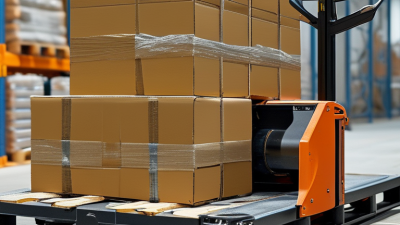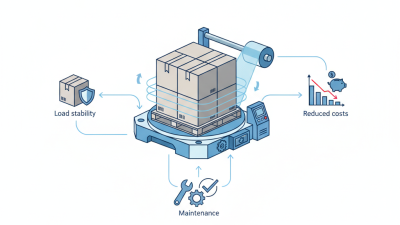
Choosing the best Lantech stretch wrapper in 2026 depends less on a headline speed than on your actual loads. A stable pallet of uniform cartons presents one challenge. Mixed cases, tall stacks, and shifting bags present another. The right machine should apply consistent containment without crushing products or wasting film. Small differences matter: a loose bottom wrap, a tilted corner board, or a film break during a busy shift can disrupt the whole line.
For perspective, Lantech founder Pat Lancaster helped shape modern stretch-wrapping technology. A useful, non-verbatim summary of the load-containment principle associated with his work is: “A wrapper must stabilize the load, not merely cover it.” That distinction matters when comparing a semi-automatic machine with an automatic system. Operator workload, pallet volume, load dimensions, film use, and integration needs all deserve attention. No single model fits every operation.
This guide compares the main factors buyers should assess before choosing. It considers throughput, load consistency, available floor space, and day-to-day usability. It also asks where a faster machine may be unnecessary, or where a lower purchase price could mean more manual work. Those trade-offs are easy to overlook. The best choice is the one that suits your real pallets and production pattern—not an idealized demonstration load. Check current specifications and confirm requirements with Lantech or an authorized representative before purchasing.
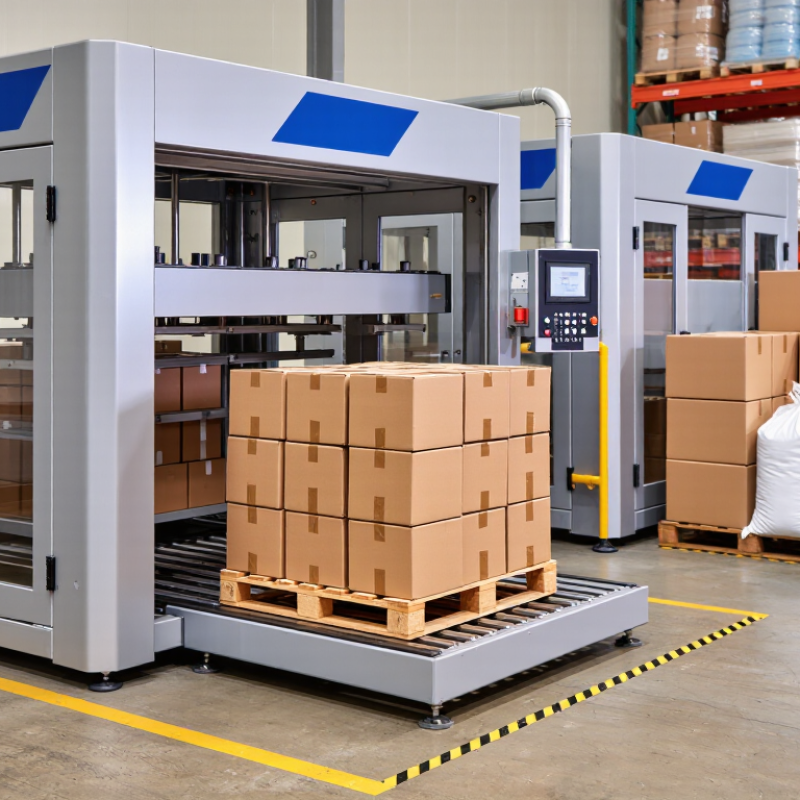
A stretch wrapper secures palletized goods with a controlled film pattern before they move to storage or shipping. Its job is practical: stabilize cartons, limit shifting, and make loads more consistent from one shift to the next. Operators place a pallet on the turntable or conveyor, select a wrap program, and check that film tension and overlap suit the load. A tall stack of light cartons needs a different approach from dense bags or uneven boxes. The machine helps repeat the process, but it cannot fix a badly built pallet.
The U.S. Bureau of Labor Statistics reported 2.6 million nonfatal workplace injury and illness cases in private industry in 2023. That figure covers many types of work, not stretch-wrapping tasks alone. Still, it is a useful reminder to assess repetitive handling and operator movement when planning a packaging line. A wrapper may reduce manual wrapping and improve consistency, but results depend on layout, training, maintenance, and the load itself. The awkward part? Film settings often need adjustment after real production trials.
Tips: Test several representative loads before choosing a machine. Check containment, film use, cycle time, and safe access. Measure first. Then compare the results with current manual wrapping, rather than relying only on a supplier’s ideal demonstration.
Choosing a stretch wrapper in 2026 starts with the loads you actually ship. Record pallet height, width, weight, and stability across a normal production shift. A tall, lightweight load may need different containment than a dense pallet of boxed goods. Measure real loads, not just the ideal ones.
Next, match machine capacity to daily volume and available floor space. A turntable model may suit steady, moderate output, while a rotary-arm design can handle loads that are awkward or unstable on a rotating platform. Check how quickly operators can change film and clear routine faults. Small delays add up. Ask suppliers to run representative loads and inspect film breaks, load movement, and wrap consistency. A neat demonstration pallet is not enough.
Film control matters, but the lowest film use is not automatically the best result. Check pre-stretch settings and verify that the wrapped load stays secure during handling. Also review control access, guarding, maintenance needs, and local service response times. These details affect uptime long after installation. Leave room for future volume, but avoid paying for capacity your line will not use. I have seen planning overlook odd pallet sizes; it is an easy mistake to make. A short trial with your actual products can expose it.
Stretch-wrapper automation ranges from operator-led turntables to automatic rotary-arm and ring systems. Semi-automatic machines suit variable loads and modest volumes, but workers must position pallets, attach film, and cut it afterward. Those steps add labor and interrupt flow. Small batches matter.
Automatic systems handle film application and cutting with less operator contact. Rotary-arm designs keep unstable loads stationary; turntable machines rotate the pallet, which may challenge tall or fragile stacks. Ring wrappers can support fast, continuous lines, but need more floor space and coordinated conveyors. Match the machine to actual line rate, load stability, and forklift traffic—not a brochure’s best-case cycle time.
The MHI 2024 Annual Industry Report says 55% of surveyed supply-chain leaders planned increased technology investment. Separately, the International Federation of Robotics’ World Robotics 2024 report counted 541,302 industrial robot installations worldwide in 2023. These figures show growing automation interest, not guaranteed wrapper savings. Compare measured pallets per hour, film breaks, and operator minutes across a representative shift. A missed detail: product changes and awkward pallet sizes can erase nominal speed gains. Tie the choice to real production data.
| Wrapper Type | Typical Throughput (Pallet Loads per Hour) |
Automation Level | Operator Involvement | Best Suited For | Key Planning Consideration |
|---|---|---|---|---|---|
| Manual hand wrapping | About 2–5 | Manual | High; an operator applies and stretches the film around each load. | Very low-volume operations, irregular loads, or locations without a powered wrapper. | Results depend heavily on operator technique; consistent containment and ergonomics can be challenging. |
| Semi-automatic turntable | About 8–15 | Low to moderate | Operator places the load, attaches the film, starts the cycle, and cuts the film at the end. | Low-to-medium volumes with loads that can safely rotate on a turntable. | Actual rate is affected by load dimensions, wrap settings, and the time needed to move loads on and off the table. |
| Automatic turntable | About 20–40 | High | Typically monitors the machine and replenishes film; automated functions handle more of the wrapping cycle. | Steady production lines with compatible loads and a defined infeed and discharge process. | Turntable capacity and load stability must match the product; upstream and downstream transfers can limit output. |
| Rotary-arm wrapper | About 20–50 | Moderate to high | Loads remain stationary while the wrapping arm rotates; automatic versions can integrate with conveyors. | Unstable, lightweight, or tall loads that should not be rotated during wrapping. | Available rate varies with arm speed, wrap pattern, load height, and the level of conveyor automation. |
| Rotary-ring wrapper | About 40–100+ | High to very high | Usually limited to monitoring, film changes, and responding to faults when integrated into a line. | High-volume, continuous-flow operations requiring rapid wrapping and minimal load rotation. | Requires a suitable automated material-handling layout; line balance and changeovers affect realized throughput. |
| Throughput figures are broad planning estimates, not guaranteed machine specifications. Actual rates vary by load size and stability, wrap recipe, film changes, operator or conveyor handling, and site layout. Confirm capacity with a timed trial using representative loads. | |||||
Choosing a stretch wrapper starts with the load, not the machine’s headline speed. Light cartons, mixed-height cases, and uneven pallets may need different film tension and reinforcement. A turntable can suit stable loads that rotate safely. For tall, heavy, or less stable loads, a rotating-arm design may reduce movement during wrapping. Check the pallet’s weight, dimensions, and center of gravity before comparing models.
Workflow matters just as much. A low-volume shipping area may benefit from simple controls and quick film changes. A busy line may need conveyor integration, repeatable recipes, and less operator handling. Measure real pallet volume during peak shifts, not just an average day. Small delays add up. A wrapper that runs quickly on paper can still create a bottleneck if operators must reposition loads or adjust settings often.
Test representative pallets before deciding. Include the awkward ones: loose corner boxes, slippery cartons, or loads with varying heights. Watch film use, load containment, and the time needed for each cycle. A tidy wrap is not always a secure wrap. Results can vary with film and pallet quality, too. That detail is easy to miss. Record the settings and inspect loads after handling; a short trial may reveal that the “best” setup needs one more adjustment.
Choosing a stretch wrapper in 2026 means looking beyond the purchase price. Estimate film use per pallet, expected daily run time, and the cost of planned maintenance. A machine that runs smoothly but consumes extra film can quietly raise annual expenses. Ask for figures based on your load sizes and production rate, not an idealized sample. Small differences add up.
Safety features deserve the same scrutiny. Check for guarded moving parts, accessible emergency stops, and clear controls near the loading area. Consider how operators position pallets, change film rolls, and respond to jams. These routine moments often reveal whether safeguards fit the actual workflow. A checklist can help, but it cannot replace observing a full shift.
Service needs can shape ownership costs for years. Confirm technician response times, parts availability, maintenance intervals, and operator training options. Compare those details with your facility’s staffing and production schedule. A lower-cost machine may be a poor fit if repairs take days. Estimates can look reassuringly precise; real film use and downtime may still surprise you. Keep a record of both after installation, and revisit the numbers once normal production settles in.