Top Packaging Automation Solutions for Global Buyers?
Global buyers need more than faster machines when evaluating packaging automation solutions. They need dependable output, transparent costs, and support across different markets. A line that performs well in one factory may struggle elsewhere. Product sizes change. Materials vary. Operators need training.
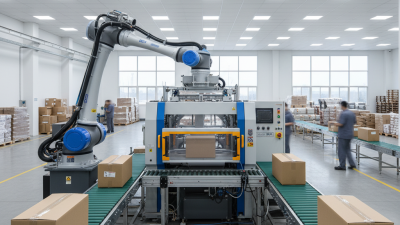
This guide examines practical automation options for filling, sealing, labeling, case packing, palletizing, and inspection. It considers real purchasing details, including changeover time, sensor accuracy, spare-part availability, and integration with existing equipment. Energy use also deserves attention. A compact robotic palletizer may reduce floor space, while an automated vision system can catch damaged seals before shipment. These details influence daily performance.
Reliable decisions require evidence. Buyers should review factory acceptance tests, maintenance records, safety documentation, and supplier references. They should also confirm regional service coverage and software compatibility before signing contracts. Total ownership costs often matter more than the initial quotation. Cheap equipment can become expensive when downtime, training, and imported parts accumulate.
No solution fits every plant. That is the difficult part. Even experienced teams can underestimate product changeovers or operator resistance. A careful evaluation should include production trials, realistic packaging materials, and honest feedback from maintenance staff. This overview compares leading approaches for different production scales, budgets, and operating conditions. It aims to help global buyers choose systems that are efficient, maintainable, and suitable for long-term growth. Safety and responsible compliance remain essential throughout the process.
Packaging Automation: Definition, Scope, and Core Functions
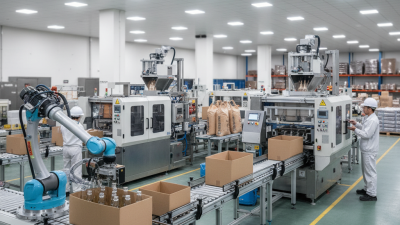
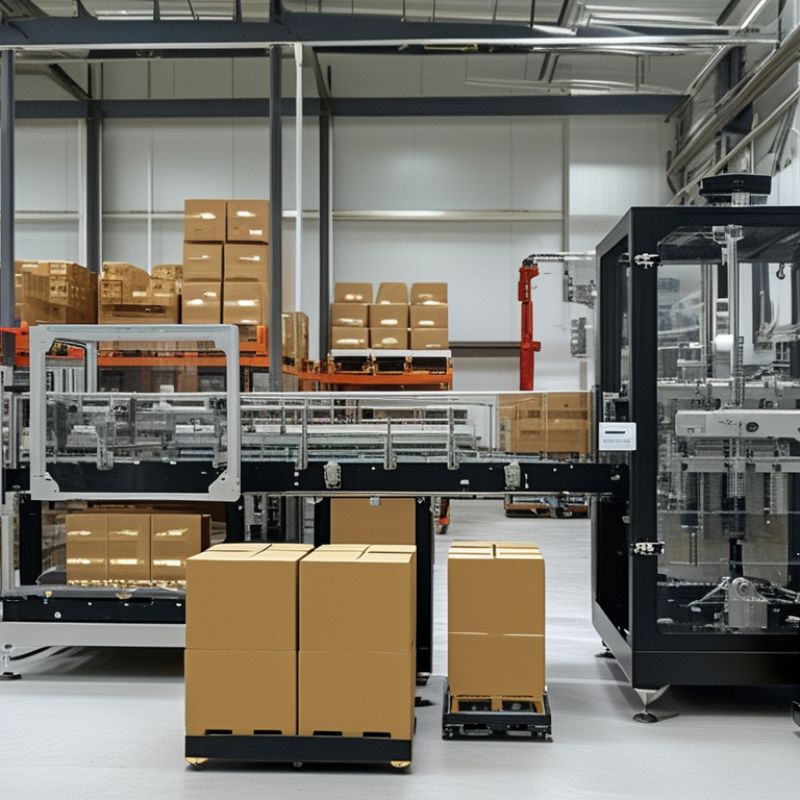
Packaging automation is the use of machines, controls, and software to complete packaging tasks with limited manual handling. Its scope covers filling, weighing, sealing, labeling, coding, case packing, palletizing, and inspection. In a working factory, the system may begin with a product hopper and end with a wrapped pallet ready for shipment.
Core functions include accurate dosing, consistent sealing, product counting, quality checking, and material tracking. Sensors can detect missing items, weak seals, or incorrect labels before cartons leave the line. Conveyors connect each stage, while control systems coordinate speed, timing, and emergency stops. A well-designed line also supports changeovers for different package sizes. That flexibility is often overlooked. It can decide whether a system remains useful after one season.
Tips: Define the product, package dimensions, speed, and handling limits before requesting quotations. Ask for test runs using real materials. Measure waste, downtime, cleaning time, and operator training needs. Do not judge automation by speed alone.
For global buyers, packaging automation must match local power requirements, workplace practices, maintenance skills, and documentation expectations. Remote diagnostics may reduce delays, but they cannot replace trained technicians. Buyers should request clear spare-parts lists, safety instructions, validation records, and performance data. From factory evaluations, I have found that simple interfaces often outperform complicated ones during busy shifts. However, every project has compromises. Higher automation can reduce labor dependence, yet it may increase installation costs and technical dependence. Reliable decisions come from comparing total operating needs, not only the purchase price.
How to Evaluate Packaging Solutions for Global Purchasing
Global buyers should evaluate packaging automation as a complete operating system, not a single machine. Start with product dimensions, hourly output, changeover frequency, and local labor conditions. The World Robotics 2024 report recorded 541,302 industrial robot installations worldwide in 2023. That figure signals growing adoption, but it does not prove suitability for every facility. A high-speed line may waste money when products change often. A flexible cell may perform better with smaller batches.
Ask suppliers for verified results under your conditions. Request sample tests using your actual cartons, films, labels, and product tolerances. Measure reject rates, changeover time, energy use, maintenance access, and operator training hours. The McKinsey Global Institute estimates that nearly 50% of work activities are technically automatable, while fewer than 5% of occupations are fully automatable. Human oversight still matters.
Calculate total cost of ownership over seven years. Include installation, spare parts, software updates, integration, downtime, and technician travel. Confirm voltage, safety requirements, language support, and service response in the destination market. Review data ownership and cybersecurity controls before connecting equipment to factory networks. A pilot run is valuable. It can also expose uncomfortable assumptions. Forecasts are rarely perfect. My practical preference is simple: choose measurable flexibility over impressive speed, especially when demand, packaging formats, or regional regulations may change.
Integration, Compliance, and Support Across International Markets
Top Packaging Automation Solutions for Global Buyers?
Global buyers need more than fast machines. They need stable integration across different plants, software systems, and workforce skills. The International Federation of Robotics reported 541,302 industrial robots installed worldwide in 2023. That growth increases the need for reliable interfaces, clear data ownership, and practical training.
Strong solutions support common communication protocols, remote diagnostics, and flexible changeovers. They should connect with warehouse, quality, and enterprise systems without creating isolated data. Compliance also varies by market. Buyers must check electrical safety, machinery guarding, labeling, traceability, and documentation requirements before installation. The International Organization for Standardization reports that ISO 9001 remains the world’s most widely adopted quality management standard, with more than one million certified organizations globally. Certification helps, but it does not replace local validation. That distinction is often missed.
Tips: Request a site survey before signing. Test sample products at expected speeds. Ask for manuals in local languages. Confirm spare-part availability and response times. Define cybersecurity responsibilities in writing. Small gaps become expensive later.
Field experience shows that commissioning support often matters more than impressive specifications. A supplier should provide operator training, maintenance guidance, and escalation contacts across time zones. Buyers should also measure downtime, changeover time, and false rejects after launch. The first design is rarely perfect. Review it honestly. Improvements may require new sensors, better packaging materials, or simpler workflows. Data from the first ninety days can reveal problems that factory demonstrations cannot.
Cost, Scalability, and Future Trends in Packaging Automation
For global buyers, packaging automation should be judged by total cost, not purchase price. A low-cost machine may require expensive tooling, frequent changeovers, or specialist technicians. Request five-year estimates covering energy, spare parts, training, and downtime. A clear cost model matters.
Scalability begins with product variety. A system handling one carton size may struggle with seasonal orders. Choose modular conveyors, adjustable filling units, and software that records production data. Test the equipment with real materials and planned speeds. A factory trial reveals problems that brochures often hide. That step is essential.
Future-ready automation increasingly combines vision inspection, predictive maintenance, and efficient motors. These features can reduce waste and unplanned stoppages, but they also increase integration costs. Check data security, operator training, and local service capacity before investing. A connected system is not automatically a better system. I have seen ambitious projects fail because teams underestimated changeover time. Human oversight still matters, especially when packaging formats change quickly. Global buyers should also examine recyclable material compatibility and regional electrical requirements. Some forecasts look impressive. Actual performance depends on disciplined maintenance, skilled operators, and honest production data.