2026 Best Automated Packaging Line Solutions for Global Buyers?
The automated packaging line industry is rapidly evolving. According to a report by Smithers, the global market for automated packaging solutions is projected to reach $100 billion by 2026. This growth is driven by the increasing demand for efficiency and consistency in packaging processes.
Expert Tom Richards, a leading authority in the automated packaging line sector, states, "Investing in automation not only boosts productivity but also reduces long-term operational costs." As businesses worldwide adapt, they must consider the latest technologies and innovations available. Incorporating robotics and artificial intelligence offers unparalleled precision and speed.
Despite the advantages, challenges remain. Not every business can seamlessly transition to an automated packaging line. Initial costs and the need for specialized training can be significant barriers. Nonetheless, for those willing to adapt, the rewards are substantial.
Overview of Automated Packaging Line Technology in 2026
The automated packaging line technology is rapidly evolving, offering greater efficiency and precision. In 2026, the demand for smart packaging solutions continues to surge, driven by the need for speed and automation in supply chains. Reports indicate a projected market growth of over 10% annually in this sector, underscoring its importance for global buyers.
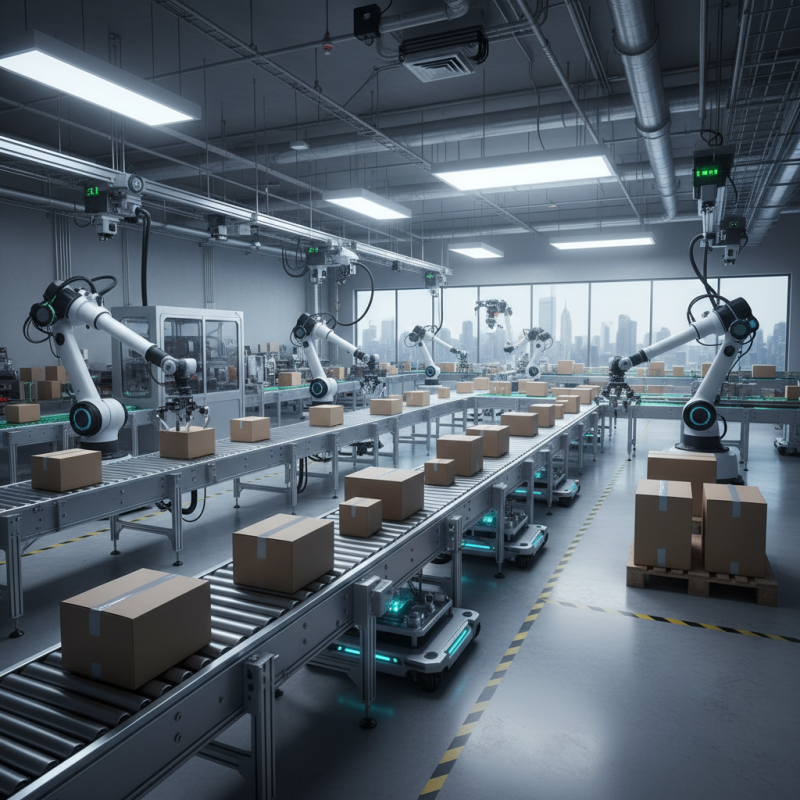
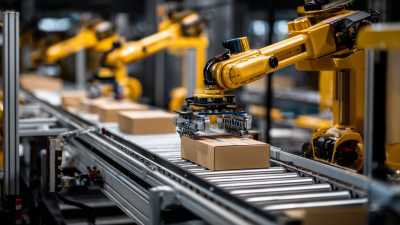
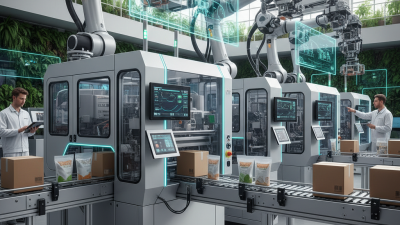
One significant trend is the integration of artificial intelligence (AI) into packaging systems. AI optimizes workflows, reduces downtime, and enhances quality control. The implementation of robotic arms in packaging lines improved speed and accuracy. However, it's vital to consider the high initial investment. Many small businesses may struggle to adopt these technologies.
Tips: Assess your company’s specific packaging needs before investing. Starting with a pilot project can reduce risks. Regularly analyze performance metrics to ensure the system meets expectations. A report highlighted that 25% of businesses see ROI within the first year after implementation, indicating the potential benefits of smart automation.
Another aspect to focus on is sustainability. Eco-friendly packaging solutions are becoming indispensable. Consumers increasingly prefer companies that prioritize sustainability. Transitioning to biodegradable materials is one solution, yet it poses challenges in maintaining product integrity. Balancing efficiency with sustainable practices requires careful planning and consideration.
2026 Best Automated Packaging Line Solutions for Global Buyers
| Technology Type |
Key Features |
Suitable Industries |
Efficiency Rate (%) |
Estimated Cost (USD) |
| Robotic Arm Packaging |
High precision, customizable grips |
Electronics, Pharmaceuticals |
95 |
50,000 - 150,000 |
| Automated Carton Sealing |
Adaptable sealing technologies |
Food & Beverage, Home Care |
90 |
30,000 - 80,000 |
| End-of-Line Packaging Systems |
Full integration with existing lines |
Cosmetics, Personal Care |
85 |
100,000 - 300,000 |
| Automated Palletizing Systems |
Space-saving designs, multi-directional stacking |
Logistics, Building Materials |
92 |
80,000 - 200,000 |
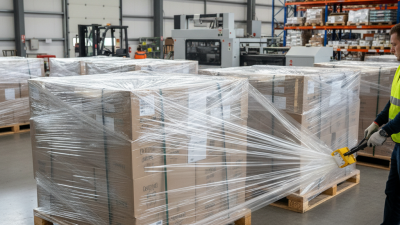
| Shrink Wrapping Machines |
Energy-efficient, uses biodegradable materials |
Textiles, Consumer Goods |
88 |
20,000 - 60,000 |
Key Trends Shaping Automated Packaging Solutions for Global Markets
Key trends in automated packaging solutions are transforming global markets in 2026. One prominent trend is the rise of sustainability. Companies are focusing on eco-friendly materials and reducing waste. As consumers demand greener options, technologies that optimize resources are gaining traction. This includes biodegradable packaging and reduced energy consumption during production.
Another significant factor is the integration of artificial intelligence. AI systems help streamline operations. They improve efficiency and reduce human error. Additionally, machine learning algorithms can predict maintenance needs, minimizing downtime. Embracing these technologies will likely lead to cost savings.
Tips: When exploring automated packaging solutions, assess your sustainability goals. Identify processes where AI can make a difference. Consider starting small and gradually scaling up. This allows room for adjustments and learning. Being adaptable is crucial in an ever-evolving market. Experimenting with new solutions can lead to innovative breakthroughs.
Leading Companies Offering Innovative Packaging Line Solutions
In the evolving landscape of packaging, companies are striving to meet growing global demands.
Automated packaging line solutions are now crucial.
Leading companies are innovating to enhance efficiency and reduce labor costs. They focus on flexibility, enabling quick adjustments for varying product types.
Engaging with industry experts reveals that transparency in the automation process is vital. Some brands struggle with integrating new technologies into existing systems.
This gap underlines the need for ongoing support and training. Without adequate knowledge transfer, even the best solutions may underperform.
Investing in automated packaging can lead to significant returns.
However, companies must avoid one-size-fits-all approaches. Adapting solutions to specific needs is essential. As technology advances, continuous improvement becomes necessary.
The road ahead is filled with opportunities but demands careful consideration and adaptation.
Comparative Analysis of Packaging Line Efficiency and Cost-Effectiveness
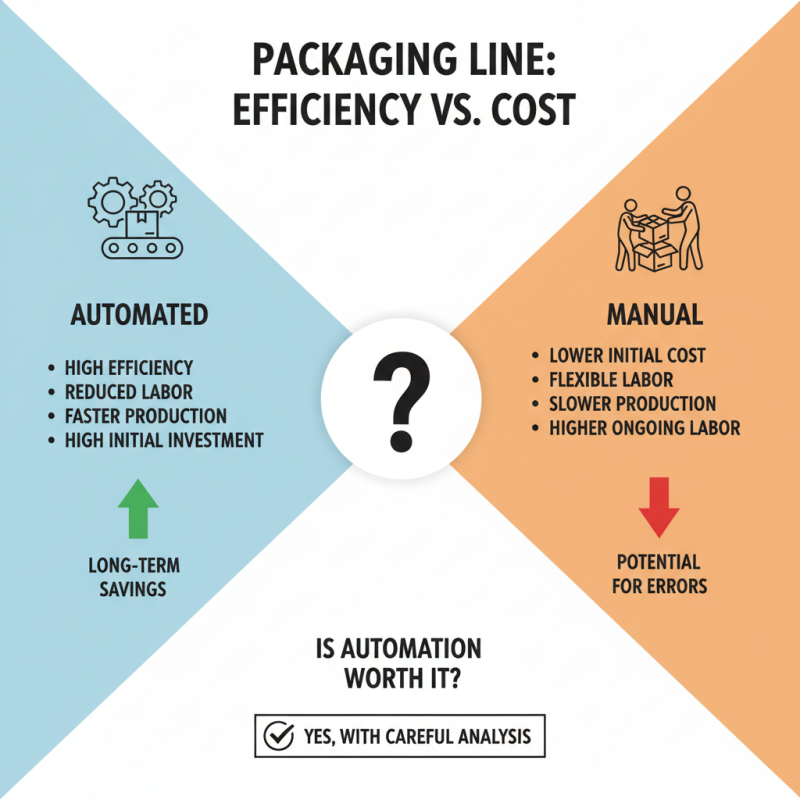
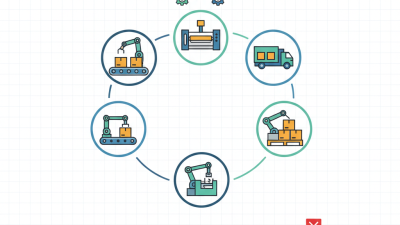
In the fast-paced packaging industry, efficiency is key. Automated packaging lines can drastically reduce labor costs and speed up production. Yet, businesses must weigh these benefits against initial investments. Is automating worth it? For many, the answer is yes, but only after careful analysis.
Cost-effectiveness varies across different solutions. Some packaging lines may have lower upfront costs but higher maintenance fees. Others can be expensive initially but offer long-term savings through improved efficiency. Understanding the total cost of ownership is crucial. A lower initial price may lead to more expenses over time.
Assessing efficiency can also be subjective. Metrics like speed and error rate are essential, but they don’t tell the whole story. The work environment, product types, and consumer demand impact performance. It’s vital to adapt packaging lines to specific needs. A tailored approach can boost both efficiency and cost-effectiveness. In the end, finding the right balance requires ongoing evaluation and willingness to learn from mistakes.
Future Prospects: Sustainability and Automation in Packaging Industry
The packaging industry faces significant transformation driven by sustainability and automation. As global concerns over environmental impact rise, businesses must adapt. Automated packaging lines can reduce waste and improve efficiency. Integration of sustainable materials will play a crucial role in future designs.
Many companies are exploring eco-friendly options. Using biodegradable and recyclable materials becomes essential. Automation helps reduce resource consumption. However, implementing advanced technology can be costly and complex. Organizations must weigh these challenges against the potential benefits.
Tips for businesses considering automation include investing in employee training. Skilled staff can effectively manage new technologies. Regularly evaluate supply chains to ensure sustainability goals align with automation practices. Seek feedback from stakeholders to improve processes continually. Emphasizing sustainability will not only meet consumer demands but also enhance company reputability.