2026 Best Automatic Packing System for Global Buyers?
In today's fast-paced manufacturing landscape, the need for an efficient automatic packing system has become paramount. As companies strive to enhance productivity, these systems offer a solution to streamline packaging processes. They reduce labor costs and minimize human error, making operations more reliable.
Many global buyers are searching for the best automatic packing system to meet their specific requirements. A diverse range of options are available, each promising unique benefits. Yet, understanding the nuances of these systems can be daunting. Not every system will suit every need.
Investing in an automatic packing system is more than just a purchase; it's a commitment to innovation and efficiency. However, potential buyers must critically assess their choices. Are these systems truly the right fit? Do they align with long-term goals? These reflections are essential for making informed decisions.
Overview of Automatic Packing Systems in 2026
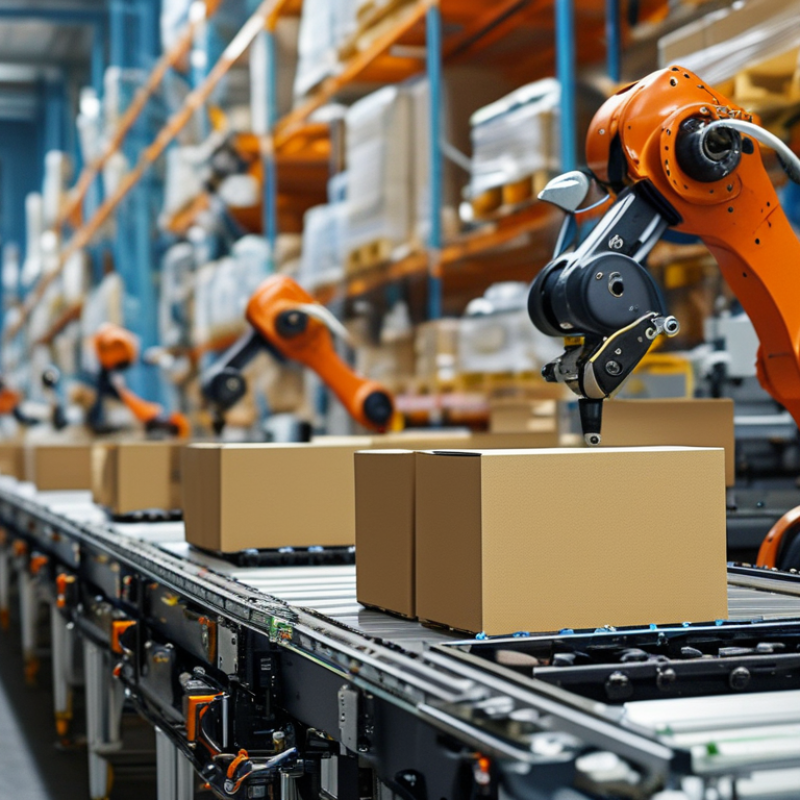
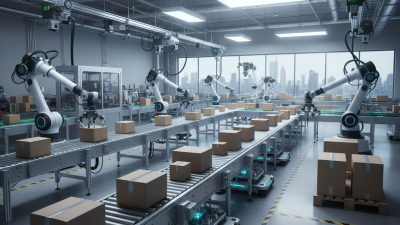
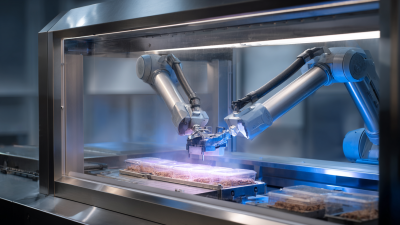
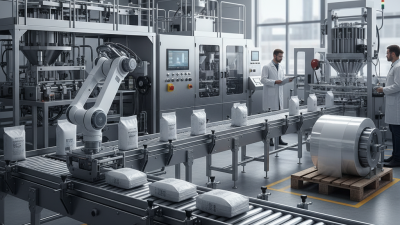
The landscape of automatic packing systems in 2026 highlights a shift towards efficiency and versatility. Many industries are embracing automation to enhance productivity. These systems now integrate advanced technologies, like AI and robotics, to streamline packing processes. This evolution ensures that products are packed correctly and securely, minimizing waste and errors.
Automation offers real-time monitoring features. These allow for quick adjustments and data analysis. By analyzing packing patterns, companies can optimize their workflows. The importance of flexibility cannot be overlooked. Systems that adapt to various product types will be essential for businesses in 2026.
Tips for choosing an automatic packing system include evaluating your product's dimensions and packaging requirements. Compatibility with existing equipment is crucial. Additionally, consider the system's scalability. As your business grows, your packing needs may change. Always reflect on the long-term investment and maintenance costs too. These considerations can guide you toward the most suitable option for your operational needs.
Key Features to Look for in Packing Systems for Global Buyers
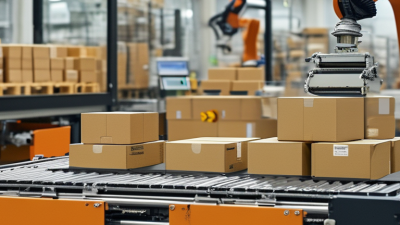
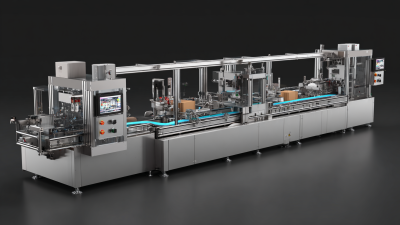
When selecting an automatic packing system, buyers should focus on specific features that enhance efficiency. Integrated technology is crucial. Look for systems with smart sensors that automate adjustments based on product dimensions. A height-adjustable conveyor can significantly improve workflow. It allows for easier loading and unloading, enhancing productivity in busy environments.
Flexibility is another key feature. A packing system should accommodate various packaging materials and sizes. This adaptability saves time and cost in operations. Users may encounter challenges if the system lacks compatibility. It’s essential to ensure the chosen machine can handle different packaging styles, from boxes to pouches, without major downtime.
Consider energy efficiency as a critical aspect. Systems designed to minimize power consumption contribute to long-term savings. However, sometimes, the most energy-efficient options require a higher initial investment. Evaluate the trade-offs between cost and functionality carefully. Testing different systems in real scenarios can provide valuable insights. Ultimately, reflect on the specific needs of your operations to make an informed choice that aligns with your expectations and goals.
2026 Best Automatic Packing System for Global Buyers
Top Brands and Models of Automatic Packing Systems
In the world of packaging, automatic packing systems have become essential. Companies worldwide seek efficiency and reliability. Leading brands offer a range of models, each with unique features. Selecting the right system involves understanding your specific needs. Factors such as speed, size, and type of products greatly influence your choice.
When assessing automatic packing systems, consider scalability. Many buyers overlook this aspect. A system that works well today may not meet future demands. Invest in technology that adapts as your business grows.
Pay attention to user feedback and ratings. Real-world experiences offer insight into performance and reliability. Some models may excel in specific tasks but falter in others. It’s essential to analyze this feedback to avoid dissatisfaction down the line. Look for systems that strike a balance between innovation and tried-and-true methods.
Cost Analysis: Investment vs. Return for Automated Solutions
As companies consider implementing an automatic packing system, understanding the cost dynamics is crucial. The initial investment can be significant, but the return on investment typically justifies the expense. For instance, automated systems often lead to reduced labor costs and increased efficiency. Companies can save time and improve production rates, making the investment increasingly attractive.
Yet, challenges can arise. Not all companies see immediate benefits. It’s vital to conduct a thorough analysis of your operations before making a decision. Assess your current packing processes and identify bottlenecks. Evaluate how automation can address these issues and estimate the potential savings.
Investing in training is another key area. Your employees need to adapt to new technology. This training should cover not just operation, but also maintenance. Reviewing case studies can provide insights into common pitfalls. Some companies found that underestimating the transition period led to temporary declines in productivity.
Understanding these factors can guide you toward making a smart investment in packing automation. Each company’s situation is unique, requiring a tailored approach for the best outcome. Embrace the journey, and be ready to adapt as needed.
Future Trends in Automatic Packing Technology and Market Demand
The automatic packing technology market is poised for substantial growth. By 2026, it is projected to reach a value of $12 billion, driven by rising demand in e-commerce and retail sectors. Industry reports suggest that automation can enhance efficiency by up to 30% while reducing labor costs significantly. In an era where speed is vital, this growth reflects wider trends prioritizing efficiency and precision in packaging.
The shift towards sustainable packing practices is becoming crucial. A recent survey indicated that over 70% of consumers prefer eco-friendly packaging options. Companies are responding by integrating biodegradable materials into their automated systems. The challenge lies in maintaining performance while adopting greener options. While the market embraces innovation, issues like cost, availability, and performance need ongoing discussion and reflection.
To enhance efficiency in packing processes, consider optimizing equipment layout. Streamlining workflows can reduce bottlenecks. Investing in training for personnel can lead to fewer errors and increased output. Regular maintenance of machinery ensures longevity and operational excellence. Embracing technology is essential, but staying adaptable is equally critical for future success.