How to Choose the Best Automated Packaging Solutions for Your Business?
In today's fast-paced market, choosing the right automated packaging solutions is essential for businesses aiming to stay competitive. These systems streamline operations, enhance efficiency, and reduce labor costs. However, not all automated solutions are created equal. The diversity in packaging needs and production scales can make selection challenging.
When considering automated packaging solutions, it’s crucial to evaluate various factors. These include the type of products you handle and the packaging materials used. For example, some solutions excel in speed, while others offer superior accuracy. It’s also important to reflect on how these solutions fit into your existing workflow. The wrong choice may lead to delays or increased costs.
Understanding your specific requirements will help narrow down the options. Additionally, seeking expert opinions and case studies can provide valuable insights. It’s wise to weigh both the pros and cons of each solution. Every business has unique challenges. Embracing automated packaging solutions can be transformative, yet they need careful consideration to align with your operational goals.
Understanding Automated Packaging Solutions: An Industry Overview
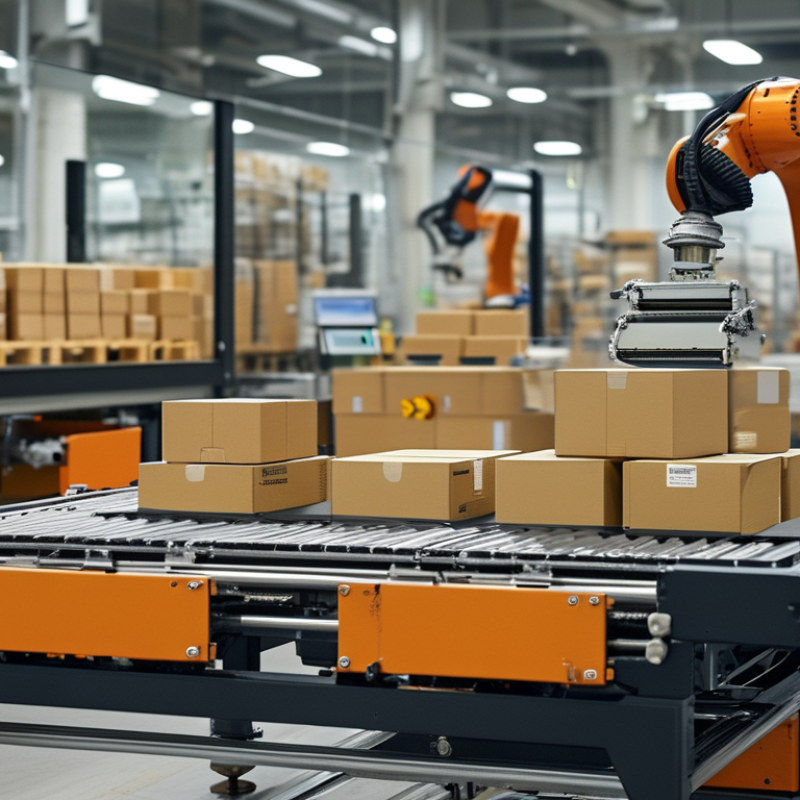
Automated packaging solutions have transformed the logistics and manufacturing industries. They help streamline processes and reduce operational costs. As businesses grow, selecting the right packaging technology becomes crucial. Complexity and variety in products demand effective solutions that ensure safety and efficiency.
Understanding the landscape of automated packaging is essential. Equipment can vary widely, from simple machines to sophisticated robotic systems. Each offers distinct advantages and challenges. Companies must consider product dimensions and materials. The right solution should match the specific needs of the product being packaged. This choice impacts not just cost but also sustainability and consumer perception.
While choosing automated solutions, some companies falter. They may rush into purchasing without thorough research. Others might overlook the importance of operator training. It is critical to ensure that staff understand the new systems. Without proper training, efficiency can suffer. Testing different solutions in small batches could provide valuable insights before full-scale implementation. Making informed decisions will ultimately lead to better outcomes.
Key Factors to Consider When Selecting Packaging Machinery for Your Business
Choosing the right automated packaging solutions is crucial for business success. Key factors must be evaluated to ensure an effective selection. First, understand your production capacity needs. A report from Grand View Research indicates that the global packaging machinery market is expected to reach $60 billion by 2027. Businesses must select machinery that can keep up with growing demand.
Consider the type of products you are packaging. Different products require specific features in machinery. For instance, fragile items may need gentle handling systems, while bulk products might require high-speed solutions. Efficiency and accuracy in packaging affect both operational costs and customer satisfaction.
Tip: Always assess the total cost of ownership. Often, cheaper machines may bring hidden expenses in maintenance and inefficiency. Evaluate this alongside peak operating times. Labor reports suggest that automating packaging could reduce labor costs by up to 30%. However, not every business can afford instant automation.
Balancing cost and capability is essential. It's wise to engage with industry experts. This helps ensure that you select a solution that aligns with your long-term growth. Focus on machinery that can adapt to future changes in your product line or market demands.
How to Choose the Best Automated Packaging Solutions for Your Business?
| Key Factor |
Description |
Importance Level |
| Production Speed |
The rate at which the packaging machine can operate, impacting overall efficiency. |
High |
| Flexibility |
Ability to accommodate different package sizes and types. |
Medium |
| Ease of Use |
How intuitive the machine is for operators, reducing training time. |
High |
| Cost |
Initial investment and ongoing maintenance expenses. |
High |
| Automation Level |
The degree of automation and integration with production lines. |
Medium |
| Durability |
The machine's ability to withstand continuous production demands. |
High |
Evaluating Cost-Effectiveness: ROI Metrics for Automated Packaging Systems
When evaluating automated packaging solutions, cost-effectiveness is key. Return on investment (ROI) metrics provide clarity. Businesses need to consider initial costs and long-term benefits. High upfront costs can be daunting. However, they often lead to decreased labor expenses and increased efficiency over time.
Measuring ROI involves more than just dollar figures. Consider time savings and error reduction. Automated systems can speed up production. They minimize human error, resulting in less waste. This enhancement can significantly impact profits. A thorough analysis should include these factors.
Businesses should also reflect on potential scalability. Will the solution grow with you? A system that meets current needs might become obsolete. Regular assessment allows for adjustments. Remember, the goal is not just to save money but to improve productivity in the long run. The optimal solution should deliver a sustainable advantage while enhancing packaging processes.
Evaluating Cost-Effectiveness: ROI Metrics for Automated Packaging Systems
This chart illustrates the estimated ROI metrics for various automated packaging solutions based on initial investment, operational cost savings, and increased production efficiency over a three-year period.
Analyzing Market Trends: The Growth of Automated Packaging in Various Sectors
The automated packaging market has seen significant growth across multiple sectors. According to a recent report by Research and Markets, the global automated packaging market was valued at approximately $66 billion in 2022. This figure is projected to reach around $110 billion by 2028, reflecting a compound annual growth rate (CAGR) of about 8.5%. Industries such as food and beverage, electronics, and pharmaceuticals are driving this expansion.
In the food and beverage sector, automation has streamlined operations. The demand for quick, efficient packaging processes is increasing, driven by consumer preferences for convenience and quality. The increasing health-consciousness among consumers has also pushed companies to invest in technology that ensures safety. A survey by PMMI (The Association for Packaging and Processing Technologies) indicated that about 50% of food manufacturers plan to adopt automated solutions to enhance productivity.
While these advancements are promising, companies must approach automation thoughtfully. The initial investment in automated systems can be steep. Additionally, the need for skilled technicians to manage and maintain these systems cannot be overlooked. As companies rush to modernize, many may overlook potential challenges, such as integration with existing operations. Balancing investment with practical capabilities is crucial for sustainable growth in this evolving market.
Integrating Technology: Future-Proofing Your Packaging Solutions with Innovation
In the evolving landscape of automated packaging, integrating technology stands as a cornerstone for future-proofing operations. A recent report from Smithers indicates that the global automated packaging market is projected to reach $50 billion by 2027. This growth is primarily driven by the demand for efficiency and sustainability in production processes. Businesses that invest in innovative solutions such as robotics and AI not only streamline their workflows but also enhance the overall quality of their packaging.
Adopting innovative technology in packaging is not merely an option; it is essential. For instance, automated systems can reduce labor costs by 20-30%. They also minimize human error, leading to more consistent product quality. Yet, many companies struggle with the transition. Resistance to change or a lack of understanding of available technologies can hinder progress. Identifying scalable solutions tailored to specific business needs is crucial.
Moreover, embracing smart packaging systems that incorporate IoT technology ensures real-time monitoring and data-driven decisions. Insights from the market can guide businesses to optimize their supply chains. However, relying solely on technology without proper training and human oversight can lead to inefficiencies. Finding a balanced approach is vital for lasting success. As with anything, reflection on past choices and adaptability will ultimately define effective integration of packaging innovations.