2026 How to Choose the Best Stretch Wrap Machine for Your Business?
Choosing the right stretch wrap machine is crucial for your business. It directly impacts efficiency and productivity. A quality machine can save time and reduce costs associated with damage during transport.
There are many options available. Each model varies in features and capacity. Understanding your specific needs is essential. Consider your product size, type of wrapping, and production volume. Researching different brands can also help you make an informed choice.
Investing in the right stretch wrap machine can enhance your operation. It's not just about price; functionality matters too. Be aware that every business is unique. Take the time to evaluate your requirements carefully. A good machine will pay off in the long run.
Understanding Stretch Wrap Machines and Their Functionality
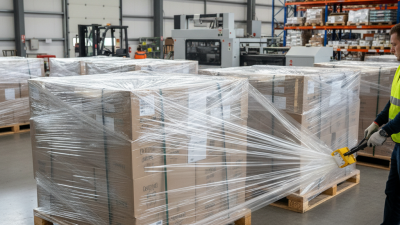
Stretch wrap machines are essential for many businesses. They provide efficient packaging solutions, protecting products during storage and transportation. Understanding their functionality helps in making an informed purchasing decision. These machines apply a plastic film around items, securing them tightly. This minimizes damage and keeps goods secure. Different machines offer various features, catering to distinct needs.
When selecting a stretch wrap machine, consider your production volume. High-volume operations may require automatic machines. These machines enhance efficiency, saving both time and labor. For smaller businesses, semi-automatic options might be more suitable. They provide flexibility without overwhelming costs.
**Tips for choosing wisely: Pay attention to the machine’s speed and film tension controls. This ensures optimal wrapping and reduces material waste. Also, evaluate the machine's durability and maintenance requirements. Regular upkeep can extend the machine's life. Don’t forget user feedback. Real-world experiences can reveal hidden challenges.**
2026 How to Choose the Best Stretch Wrap Machine for Your Business?
| Feature |
Description |
Importance |
| Load Capacity |
Maximum weight the machine can handle |
High |
| Wrapping Speed |
Speed at which the machine wraps products |
Medium |
| Film Type |
Type of stretch film compatible (e.g., hand stretch, machine stretch) |
High |
| Control System |
Manual vs. automatic controls for ease of use |
Medium |
| Footprint Size |
Space required for installation |
Medium |
| Durability |
Length of time the machine can operate effectively |
High |
| Safety Features |
Features ensuring user safety during operation |
High |
Key Factors to Consider When Choosing a Stretch Wrap Machine
When selecting a stretch wrap machine, understanding your specific business needs is essential. Begin by evaluating the types of products you handle. Their size and weight will dictate the machine's capabilities. A lighter, smaller item may require a different approach than a heavy pallet. More complex items might need customized wrap configurations for optimal protection.
Consider the machine's speed and efficiency. High-speed machines can significantly enhance productivity but may come at a higher cost. If your business operates on a tight budget, a slower machine could suffice. Additionally, evaluate ease of use. An unintuitive machine can lead to mistakes. Training time is another cost factor. Finally, think about the machine's durability. A reliable, robust machine ensures long-term investment benefits.
Critically assess the reviews and case studies available for various machines. Some may appear ideal but could have hidden drawbacks. Many users experience challenges with maintenance and repair, which can disrupt operations. Take the time to gain insights from those in your industry. Their experiences can provide invaluable guidance in avoiding potential pitfalls. Always factor in how each machine aligns with your company’s growth plans and goals.
Types of Stretch Wrap Machines: Manual, Semi-Automatic, and Automatic
When selecting a stretch wrap machine, understanding the types available is crucial. The three main categories are manual, semi-automatic, and automatic machines. Manual machines require the most hands-on operation, as workers must wrap pallets by hand. This can lead to inconsistent wrapping quality and slower processing times. However, they are often more affordable and suitable for smaller operations.
Semi-automatic machines bridge the gap. They increase efficiency by requiring minimal operator interaction. An operator places the pallet, and the machine automatically wraps it. According to a report by the Packaging Machinery Manufacturers Institute (PMMI), these machines can boost productivity by up to 30%. This increase is vital for businesses looking to scale their operations without sacrificing quality.
Automatic stretch wrap machines offer the highest level of efficiency. They can wrap large volumes with precision and speed. A study shows that automatic machines can wrap up to 50 pallets per hour. However, the initial investment can be substantial. It’s important to assess the trade-offs between initial costs and long-term savings.
Tip: Evaluate your wrapping volume and labor costs. Analyze how much time employees spend manually wrapping products. This data can help justify investing in a more automated solution, enhancing overall workflow efficiency.
Selecting the right machine also entails understanding your product types and sizes. Mistakes can occur when machines are not suited for specific goods, leading to damages. Regular review of machine performance is essential to ensure it meets operational demands.
Assessing Your Business Needs for Stretch Wrap Applications
When considering a stretch wrap machine, it's essential to assess your business needs. Understanding the scale of your operations is crucial. Are you wrapping pallets daily or only occasionally? This basic question frames your entire purchasing decision. For a high-volume warehouse, an automatic stretch wrap machine may be ideal. It enhances efficiency and reduces labor costs. On the other hand, smaller operations might benefit from a semi-automatic unit. This can save space and cater to lower output.
Evaluate the types of products you wrap. Different items require different approaches. For instance, fragile materials need gentle handling. A versatile machine would accommodate various shapes and sizes, while a standard model can serve only uniform products. Consider the wrapping technique as well. Some products might benefit from tighter wraps for security, while others need looser wraps to avoid damage. Keep in mind, not every machine will efficiently meet these diverse needs.
Reflecting on past experiences can provide valuable insights. Perhaps your last machine had a steep learning curve, causing downtime. Identify potential obstacles before making a choice. Test your prospective equipment if possible. This hands-on approach helps clarify if it meets your specific needs. Assessing future scalability is also wise. Your business may grow, and the machine's capacity should accommodate that growth. Don’t rush the process; thorough evaluation ensures a better long-term investment.
Budgeting and Cost Considerations for Stretch Wrap Machines
When selecting a stretch wrap machine, budgeting plays a crucial role. The initial price can vary widely. Machines range from a few thousand to tens of thousands of dollars. It’s vital to list out your specific needs. Consider the volume of items being wrapped and the type of materials used. A larger operation may justify higher upfront costs for more efficient machinery.
Operating costs also bear weight in your decision. Think about maintenance, repairs, and energy usage. Some machines are more energy-efficient, leading to lower costs over time. It's important to account for labor savings, as automating wrapping tasks can reduce personnel hours. Another aspect is training costs. Employees may need time to learn new equipment, potentially affecting productivity.
There's often a trade-off between features and budget. High-end machines come with advanced features, but they may exceed your budget. Assess the importance of speed and durability. While cheaper options might seem appealing, they often lack longevity. Reflection on long-term value remains crucial. Investing in quality now can save money later, but only if it truly fits your operational needs.
2026 Budgeting and Cost Considerations for Stretch Wrap Machines