How to Choose the Right Shrink Wrap Machine
Choosing the right shrink wrap machine starts with the product, not the machine’s advertised speed. A small bakery wrapping trays of cookies has different needs from a warehouse bundling cartons. Film type, package dimensions, daily volume, available floor space, and operator skill all affect the choice. The wrong fit can mean loose seals, wasted film, or a line that slows during busy shifts.
Industry data makes the decision worth careful attention. Grand View Research estimated the global shrink packaging market at about US$14.3 billion in 2023 and projected continued growth through 2030. That figure describes the broader packaging market, not machine sales, but it signals sustained demand for dependable packaging systems. PMMI’s State of the Industry reporting also tracks ongoing investment in packaging machinery and automation. Buyers should still check each report’s scope and year before comparing figures.
For expert context, Jim Pittas, president and CEO of PMMI, represents a leading U.S. packaging machinery association. However, an exact, verifiable quotation from him about selecting shrink equipment is not available in the supplied material, so attributing one here would be unreliable. The practical rule remains clear: match the machine to the package, film, and production target. Keep it simple. A tabletop sealer may suit short runs; an automatic L-bar sealer or shrink tunnel may better serve a steady line. Before deciding, test your actual products. Watch the seal, film tension, and finished package as they leave the tunnel. Small details matter. A machine that looks fast on paper can disappoint when package sizes change or operators need frequent adjustments.
Assess Your Packaging Needs and Production Volume
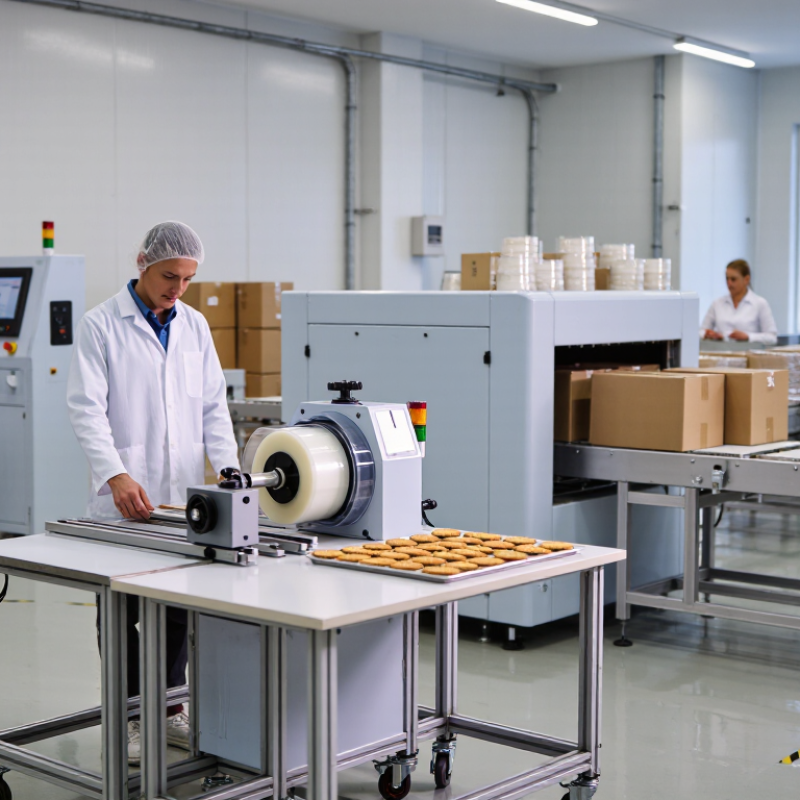
Start with the package, not the machine. Record its dimensions, weight, film type, and how tightly it must be sealed. Then estimate normal and peak output in finished packs per minute. A line running 20 products per minute for one shift has different needs from one running continuously across multiple shifts. Small runs change everything.
PMMI’s 2023 State of the Industry report valued U.S. packaging machinery shipments at $10.9 billion in 2022, a 12.1% increase over 2021. That growth signals investment across the sector, but it does not mean every operation needs a high-speed system. Compare your real hourly demand with a machine’s sustained rate, not just its advertised maximum. Allow for film loading, temperature adjustments, product changes, and brief stoppages. The numbers get less tidy here.
Also assess product variety and operator experience. Frequent size changes may make quick adjustments more valuable than top speed. Check whether the machine can handle your smallest and largest packages without excessive film waste or uneven seals. Ask suppliers to test representative products at your expected pace. A short trial can expose awkward loading or cooling delays. It may not capture every shift condition, so leave room in your capacity estimate.
Compare Shrink Wrap Machine Types and Operating Methods
How to Choose the Right Shrink Wrap Machine
Shrink wrap machines differ in how they seal film, apply heat, and handle product volume. A manual L-bar sealer suits small batches and changing product sizes. An operator positions each item, pulls film across it, and closes the heated bar. It is straightforward, but output depends on steady hands and timing. Small detail, big impact.
For repeated production, a semi-automatic setup may pair a sealing bar with a separate heat tunnel. The operator loads and seals each pack, then sends it through the tunnel on a conveyor. This can make shrink results more consistent, though manual loading may limit speed. Fully automatic lines feed, seal, and convey products with less hands-on work. They suit steady, higher-volume production, especially when package dimensions stay consistent. Not always simple.
Compare each operating method with your real workflow, not only the machine’s rated speed. Check seal width, film compatibility, floor space, and whether products can tolerate tunnel heat. Run samples using your own cartons or containers. Look for loose corners, cloudy film, or weak seals. Even a suitable machine may need temperature and conveyor adjustments. Operators sometimes discover that after installation, so allow time for testing.
How to Choose the Right Shrink Wrap Machine
Compare machine types by their typical rated output to find a fit for your packaging volume and operating setup.
Output is shown as approximate packages per minute. Actual production depends on package dimensions, film, product handling, and operator workflow. Manual setups suit low-volume work; automated systems are designed for higher, more consistent throughput.
Check Film Compatibility, Product Size, and Seal Requirements
Choosing a shrink wrap machine starts with the film, not the catalog. Polyolefin, PVC, and polyethylene differ in sealing temperature, stiffness, and shrink behavior. Match the machine’s sealing system and temperature range to the film specification. A film that clouds, tears, or opens at the seam may point to a setting mismatch, not faulty equipment. Test it. Use samples from the actual roll, since thickness and additives can affect results. A short trial is useful, though it may not reveal every issue during a full production shift.
Measure the largest product, including trays, handles, and uneven edges. Check its length, width, and height, then compare those dimensions with the machine’s sealing area and tunnel opening. Leave enough clearance for film movement; a snug fit on paper can become awkward at the sealer. Consider how many packages you need to process per minute, too. For seal requirements, decide whether the package needs a simple closed seam or a stronger, more consistent seal for frequent handling. Seal width and placement matter. Ask for a test using your product and film, and inspect the corners as well as the flat surfaces. It is easy to focus on speed and overlook a small, weak seam.
Evaluate Speed, Automation, Space, and Safety Features
How to Choose the Right Shrink Wrap Machine
Evaluate Speed, Automation, Space, and Safety Features
Start with the number of packages your team handles during a typical shift. Compare the machine’s rated speed with your real production pace, including loading, film changes, and short pauses. A fast cycle means little if workers cannot feed products steadily. Test several package sizes, too. Small details matter.
Automation should match your workflow, not just add features. Semi-automatic equipment may suit changing product runs, while automatic feeding can help with consistent, high-volume batches. Check how much operator attention each setup needs. Measure the floor area, including room for film rolls, maintenance access, and product staging. A machine that fits on paper may feel cramped beside a busy packing line. Safety guards, accessible stop controls, and clear operating instructions deserve equal attention.
Tips: Ask for a live trial using your actual products and film. Time a full run, not just one cycle. Watch for awkward reaches, hot surfaces, and blocked walkways. Leave room to adjust. Compare the maintenance steps and confirm that routine cleaning can be done safely. One point is easy to overlook: the simplest setup may still need better training. Check that new operators can follow the controls without guesswork.
Compare Total Costs, Maintenance, and Supplier Support
When comparing shrink wrap machines, look beyond the purchase price. Add film use, electricity, labor, changeover time, and expected service costs over several years. A wrapper that runs quickly may still waste film if seals need frequent adjustment. Ask suppliers to estimate costs using your package dimensions, daily volume, and actual film specifications—not a best-case demonstration.
Maintenance affects the total, too. Check how often blades, belts, and sealing elements need replacement, and whether operators can change them without waiting for a technician. The U.S. Department of Energy’s Improving Compressed Air System Performance guide reports that leaks can waste 20–30% of compressor output; for pneumatic equipment, that hidden loss deserves attention. Supplier support matters when a line stops. Request response-time commitments, spare-parts lead times, and practical operator training. Deloitte’s 2024 Smart Manufacturing Survey found that 86% of surveyed manufacturers expect smart manufacturing to improve competitiveness within five years, but remote diagnostics only help when support teams act on the data. A glossy service promise is not a maintenance plan. Ask for a sample schedule and confirm who answers after hours. One detail is easy to miss: support quality can vary by region. Recheck the assumptions before signing.