Global buyers choosing a carton erector machine face a practical question: which model can form cases reliably at the required speed, with manageable changeovers and service needs? The choice matters on the factory floor. A poorly matched machine can leave operators clearing misfeeds, adjusting guides, and waiting for replacement parts.
Automation is expanding across manufacturing. The International Federation of Robotics’ World Robotics 2024 report counted 4.28 million industrial robots operating worldwide in 2023. That figure covers many industries, not carton erecting alone, but it signals the scale of industrial automation. For packaging-specific context, PMMI’s 2024 State of the Industry report examines investment, labor, and technology trends in packaging machinery. Buyers should still compare published machine specifications with trials using their own carton blanks and production conditions.
This guide reviews ten carton erector machines for international purchasing teams. It considers case-size range, output, changeover method, footprint, controls, and support availability. A fast machine is not always the best fit. A compact line with quick adjustments may serve a mixed-SKU plant better. One limitation remains: no verified, attributable statement from a named carton-erector expert was supplied for this introduction, so none is invented. That matters. A purchasing decision deserves evidence, not a polished quotation without a source.
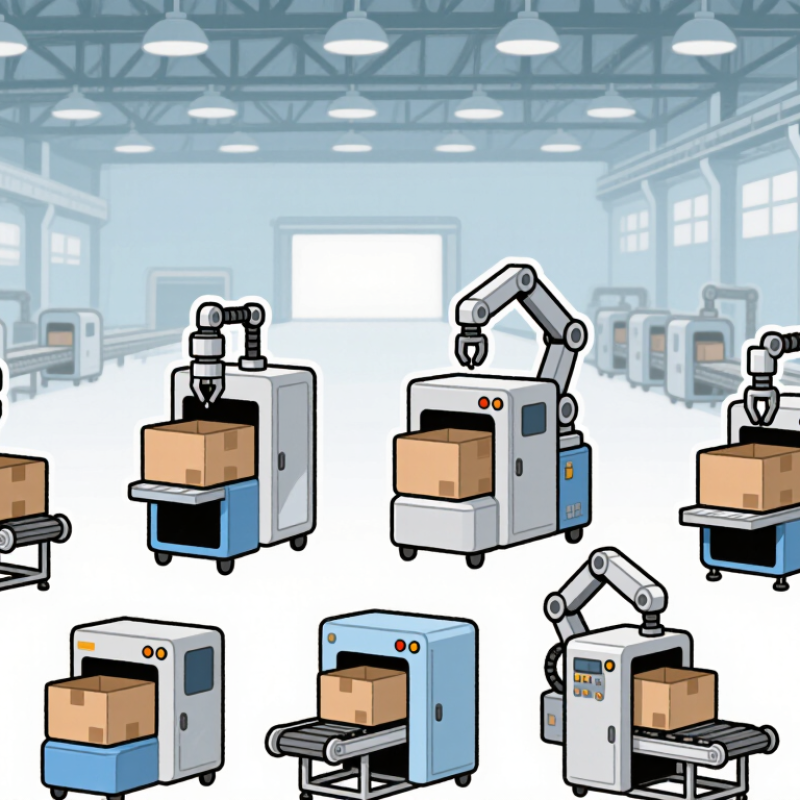
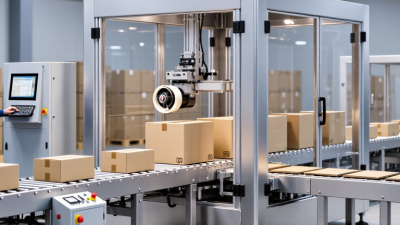
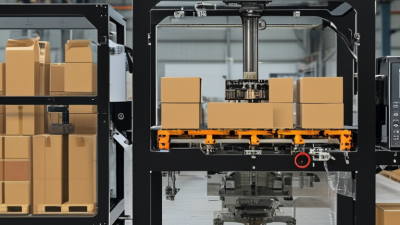
A carton erector turns flat, pre-glued blanks into open boxes ready for packing. A magazine holds the blanks, while a picker separates one and guides it into a forming section. Folding arms shape the sides; a bottom-closing unit folds the flaps and applies tape or hot-melt adhesive. The result moves onward on a conveyor. Simple in outline. Sensitive in practice. Blank quality, board thickness, and humidity can affect feeding, so even a well-set machine may need adjustment.
Operators typically load a carton size, set guides, and check the first boxes for square corners and secure seals. Sensors can detect low blanks or jams, while automatic models may change formats with fewer manual adjustments. The International Federation of Robotics reported 541,302 industrial robot installations worldwide in 2023 in its World Robotics 2024 report. That figure describes industrial robots broadly, not carton erectors specifically; it shows the wider automation environment in which packaging lines operate. Buyers should compare actual changeover time, usable speed, and jam recovery under their own carton conditions. A fast rated cycle is not always a fast shift. And small misalignments matter.
A carton erector takes a flat, pre-glued carton blank, opens it into a box, folds the bottom flaps, and seals the bottom so the carton is ready for filling. The chart shows the typical process sequence, not machine performance data.
The exact mechanisms and sequence vary by machine and carton design. Common systems use suction cups or mechanical grippers to pick and open blanks, then folding guides and a sealing unit to form the carton.
Carton erectors open, square, and seal flat-packed cases before products enter the packing line. Their main forms include semi-automatic, fully automatic, wraparound, and robotic systems. Each type suits a different production rhythm. Semi-automatic erectors work well for seasonal lines, mixed carton sizes, and moderate output. An operator feeds blanks, while powered guides form the case and apply tape or adhesive. This setup reduces labor without forcing a plant into complex automation.
Fully automatic top-and-bottom erectors suit stable, high-volume packaging applications. They draw cartons from a magazine, fold panels, and seal cases with limited intervention. Food, household goods, and general consumer products often use this arrangement. Wraparound machines form cartons tightly around products, using flat blanks and precise folding. They support compact packs, display-ready cases, and products needing stronger edge protection. Robotic erectors add flexibility when carton sizes or line layouts change frequently. In practice, sensors and changeover design matter as much as rated speed.
For fragile goods, gentle compression and accurate flap control prevent crushed corners. In dusty environments, accessible guides simplify cleaning and reduce sealing problems. Check blank quality, adhesive performance, case dimensions, and actual hourly demand before choosing equipment. A machine rated for 30 cases per minute may deliver less after stoppages and replenishment. That gap deserves honest testing. Site trials reveal awkward adjustments that brochures rarely mention. I would also measure noise, operator reach, maintenance time, and rejected cases during a full shift.
Choosing among the top 10 carton erector machines for global buyers starts with the cartons themselves. A compact machine suits short runs and limited floor space. High-speed models fit stable, repetitive production. Servo-driven systems offer precise adjustments, while intermittent-motion machines can be easier to maintain. Continuous-motion designs prioritize throughput. Each choice has trade-offs.
Integrated erector-and-sealer lines reduce manual transfers. Robotic loading can handle changing carton sizes, but needs careful setup. Wraparound systems suit products that benefit from snug packaging. Adjustable machines work across several box dimensions, though changeovers still take time. Heavy-duty models handle stronger board and larger cases. Measure your cartons, output per hour, and available space before comparing specifications. Ask suppliers to demonstrate a representative box, not just an ideal sample. Check electrical compatibility, spare-parts access, guarding, and operator training for your site. Small details matter. A quoted speed may not match real production when cartons vary or operators pause. I would compare actual trial results and service arrangements, then leave room for one imperfect assumption: future packaging needs may change.
Comparison of common carton erector configurations. Specifications are representative ranges for these machine types; actual performance depends on carton dimensions, board quality, changeover setup, and the selected configuration.
| No. | Machine configuration | Typical output | Carton format | Changeover | Typical power supply | Compressed air | Best suited for |
|---|---|---|---|---|---|---|---|
| 1 | Manual-adjustment semi-automatic erector | Up to 8–12 cartons/min | Regular slotted cases (RSC); small to medium range | Manual; typically several minutes per size | Single-phase, commonly 110–240 V, 50/60 Hz | Usually not required | Low-volume lines and seasonal operations |
| 2 | Semi-automatic pneumatic erector | About 8–15 cartons/min | RSC cases; common small and medium sizes | Manual adjustment; tool-free features may be available | Typically 110–240 V, 50/60 Hz | Commonly 5–6 bar; consumption varies by cycle | Small factories seeking assisted, repeatable forming |
| 3 | Compact automatic carton erector | About 10–18 cartons/min | RSC cases within a defined size range | Manual handwheel or guided adjustment | Commonly 220–240 V single-phase or 380–415 V three-phase | Typically 5–6 bar | Facilities with limited floor space and steady demand |
| 4 | Automatic tape-sealing carton erector | About 10–20 cartons/min | RSC cases; erected and bottom-sealed with tape | Manual size adjustment; changeover depends on format range | Typically 220–240 V or 380–415 V, 50/60 Hz options | Often 5–6 bar | Packaging lines needing formed, bottom-closed cases |
| 5 | Automatic hot-melt carton erector | About 10–25 cartons/min | RSC cases; compatible board and adhesive required | Manual or guided adjustment | Typically 220–240 V or 380–415 V; glue unit adds load | Often 5–6 bar | Lines requiring adhesive bottom closure |
| 6 | Servo-driven high-speed erector | About 20–35 cartons/min | RSC cases in the machine’s validated size range | Recipe-assisted; setup still depends on carton format | Typically 380–415 V three-phase, 50/60 Hz options | Usually 5–6 bar | Higher-throughput production with consistent case supply |
| 7 | Multi-size automatic carton erector | About 8–20 cartons/min, format-dependent | Multiple RSC sizes within a specified adjustment envelope | Manual or recipe-assisted; faster than full mechanical rebuilds | Typically 220–240 V or 380–415 V | Commonly 5–6 bar | Warehouses and co-packers handling several case sizes |
| 8 | Heavy-duty large-case erector | About 5–15 cartons/min | Large or heavy-duty RSC cases; limits vary by design | Manual adjustment; larger formats may need additional setup | Typically 380–415 V three-phase | Often 5–6 bar; confirm required flow rate | Appliances, industrial parts, and bulky products |
| 9 | Low-level magazine carton erector | About 10–25 cartons/min | RSC cases loaded from an accessible magazine | Manual or guided adjustment | Typically 220–240 V or 380–415 V | Commonly 5–6 bar | Frequent magazine replenishment or ergonomic loading needs |
| 10 | Integrated case-erecting system | About 15–30 cartons/min, line-dependent | RSC cases integrated with downstream conveying or packing | Recipe-assisted; line controls and format settings must be coordinated | Typically 380–415 V three-phase; local options vary | Often 5–6 bar; system demand varies | Automated lines requiring synchronized case supply |
Buyer check: confirm minimum and maximum carton dimensions, board grade and flute, demonstrated output with your cartons, electrical frequency and voltage, air consumption, guarding standards, and local service availability before purchase.
Speed matters, but published cycle rates need careful checking. A machine rated for 20 cartons per minute may slow down with heavy board or awkward carton sizes. Ask for tested output using your actual carton blanks, tape, glue, and packing pattern. Measure stable production, not a brief peak. A ten-minute trial can reveal jams, vibration, or frequent operator adjustments.
Carton range is equally important. Check the minimum and maximum length, width, and height separately. Some machines accept broad dimensions but require manual changeovers between formats. Measure it. Review blank thickness, flute type, fold quality, and tolerance requirements. A narrow range may limit future products, while an oversized machine can waste floor space and energy. This is where buyers often focus too much on speed.
Automation features should reduce real labor, not simply add impressive controls. Look for automatic carton feeding, low-blank alarms, sensor-based fault detection, tool-free adjustments, and recipe storage. Remote diagnostics can help international teams, but local training and spare-part access still matter. Safety guarding and clear emergency controls should be verified during acceptance testing. I have seen fast equipment underperform because operators disliked complicated changeovers. That detail is easy to miss. Compare running cost, maintenance time, and usable output across several machines, then question any specification that lacks test conditions.
A carton erector is only a sound investment if it meets local safety requirements and runs reliably on your actual cartons. Ask suppliers for documented risk assessments, electrical drawings, guarding details, and conformity evidence relevant to the destination market. ISO 12100 offers a framework for machinery risk assessment; it is not, by itself, proof of regulatory compliance. Request a factory acceptance test using your carton sizes, board grades, and target production speed. Watch changeovers closely. A machine that performs well on one sample may struggle with warped blanks or inconsistent glue joints.
Service can matter as much as cycle speed. Deloitte and the Manufacturing Institute estimated that U.S. manufacturing could need 3.8 million workers from 2024 to 2033, with 1.9 million jobs potentially unfilled. This broad workforce forecast is not specific to packaging lines, but it highlights why accessible training and dependable technical support deserve scrutiny. Check response hours, spare-parts lead times, remote-support options, and the availability of manuals in operators’ working languages. Get the terms in writing. Then estimate total cost across the expected service life, including energy, maintenance, tooling, downtime, and installation—not just the purchase price.
Tips: Bring real blanks and tape or adhesive to the acceptance test. Ask operators to perform a changeover without coaching. Record setup time, jam frequency, and reject rate; one test shift is useful, but not conclusive.