How to Choose the Best Automatic Pallet Wrapper for Your Needs?
Selecting the right automatic pallet wrapper is crucial for efficiency in warehouses. According to Packaging Digest, the market for automatic pallet wrappers has grown significantly, with projections estimating a compound annual growth rate of 5.4% through 2027. This growth highlights the increasing reliance on automated solutions in logistics.
Industry expert John Smith, a leading figure in packaging solutions, states, “Choosing the right automatic pallet wrapper can enhance productivity and reduce waste.” His insights reflect the importance of assessing specific needs for optimal performance. Materials handling and product safety are equally vital, as improper wrapping can lead to damaged goods.
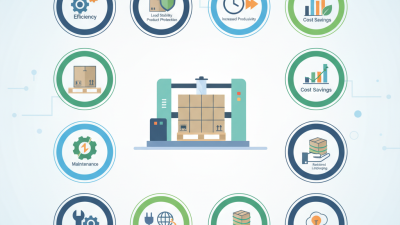
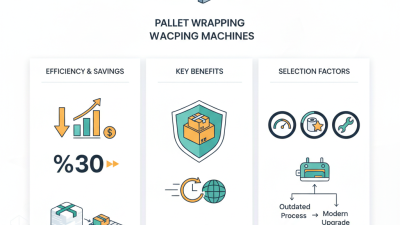
Many businesses overlook the significance of features such as speed, film usage, and ease of operation. Industry benchmarks indicate that a well-chosen wrapper can lead to a 30% reduction in packaging costs. However, without thorough evaluation, companies may miss out on these savings. Addressing these factors is essential for making informed decisions in the ever-evolving landscape of automated packaging.
Understanding Automatic Pallet Wrappers: An Overview
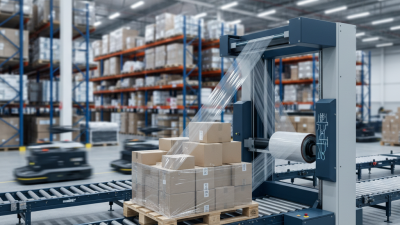
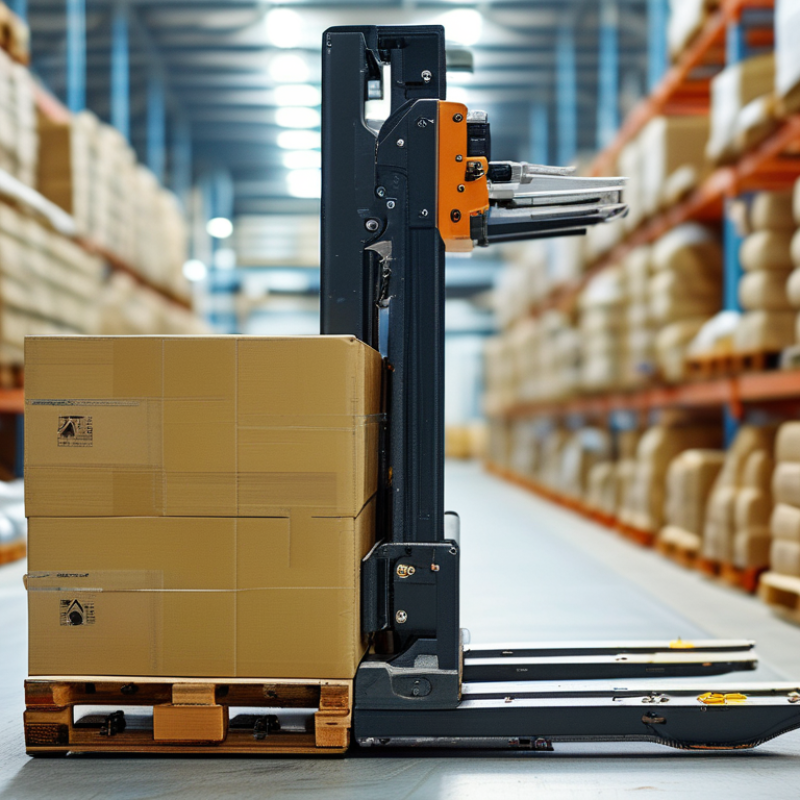
Automatic pallet wrappers are essential tools in many warehouses and manufacturing environments. They provide efficiency and ensure products are securely packaged for transport. These machines utilize stretch film to wrap pallets tightly, reducing product damage during shipping. Understanding their operation is crucial for optimal use.
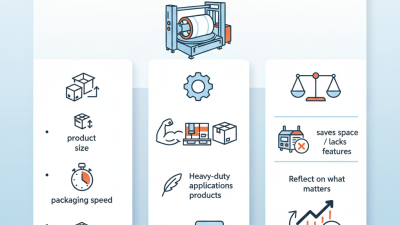
When selecting an automatic pallet wrapper, consider your specific needs. Think about the types of products you package and their sizes. Some wrappers are designed for heavier loads, while others are ideal for lighter items. The level of automation varies, from semi-automatic to fully automatic systems. A machine may not fit every scenario. Regular maintenance is necessary to keep the machine running smoothly.
It's also vital to assess space limitations in your facility. An automatic pallet wrapper requires enough room to operate effectively. Improper installation can lead to inefficiency and employee frustration. Understanding your workflow can help determine the best model for your operation. Reflect on your current processes. There’s always room for improvement.
Key Features to Consider in an Automatic Pallet Wrapper
When selecting an automatic pallet wrapper, understanding vital features is crucial for efficiency. A well-designed wrapper can enhance productivity by 30% to 50%, according to industry analyses. Speed is a key factor. Look for machines that can wrap a pallet in under 30 seconds. This capability significantly reduces downtime.
Another critical feature is the wrapping method. Pre-stretch technology, which stretches the film before application, minimizes costs while maintaining load stability. Reports indicate that using pre-stretch can reduce film usage by up to 50%. Additionally, consider the machine's adaptability to different pallet sizes. A versatile wrapper can save time and reduce the need for multiple machines.
Don't overlook control systems. An intuitive interface allows operators to adjust settings easily, which is vital for minimizing errors. Many operators struggle with complex machines, leading to wasted materials and time. Ultimately, opting for a machine with user-friendly controls can make a significant difference. Regular maintenance is necessary, as even advanced machines require care to perform optimally. The challenge often comes in predicting when service is needed, as wear can be gradual and unnoticed.
Assessing Your Packaging Needs and Volume Requirements
When selecting an automatic pallet wrapper, understanding your packaging needs and volume requirements is crucial. Studies indicate that companies can reduce packaging costs by up to 15% with effective wrapping solutions. Start by evaluating how many pallets you wrap daily. If your operation exceeds 50 pallets, a high-capacity machine may be necessary. This choice can dramatically increase efficiency and consistency in packaging.
Consider the type of products being wrapped. Heavy or awkwardly shaped items require specific features, such as pre-stretch capabilities. Research from packaging associations highlights that improper wrapping can lead to damage rates of up to 25%. An effective pallet wrapper can mitigate this risk. Pay attention to the film stretch ratio, as enhanced stretch reduces material costs while ensuring safety during transit.
Additionally, think about the operational floor space. A wrapper that fits snugly into your workspace can streamline processes. However, in some cases, flexibility in adjusting settings is more beneficial than a compact design. Companies often find that investing time to assess their needs leads to better equipment choices. Collecting feedback from operators can reveal unexpected challenges, prompting a reconsideration of initial choices.
Evaluating Budget Constraints and Return on Investment
When evaluating budget constraints for an automatic pallet wrapper, consider initial costs versus long-term benefits. This machinery can streamline packing processes. However, finding the right balance between cost and functionality is crucial. An overly cheap model may result in higher maintenance costs. Assess your production volume and frequency of use. These factors heavily influence your return on investment.
Analyzing efficiency is equally important. If a pallet wrapper saves time and labor, it may lead to greater savings. Sometimes the expensive choice yields better results over time. Think about energy consumption. More efficient machines might cost more upfront but save on utility bills. It’s essential to look beyond the price tag. Quality and reliability often dictate overall value.
Gathering input from current users can offer insight too. They may highlight issues you hadn’t considered. A machine that looks good on paper may falter in real-world applications. Reflect on your specific needs and constraints. Investing in an automatic pallet wrapper is not just about the purchase price; it’s about the total cost of ownership and its impact on your business.
Maintenance and Support: Ensuring Long-Term Performance
Choosing the right automatic pallet wrapper involves not just features but also maintenance and support. Regular maintenance is crucial for long-term performance. Studies show that preventative maintenance can reduce machine downtime by up to 30%. Simple tasks, like checking the film tension and calibrating the wrapping speed, can help avoid major issues. Minor adjustments often prevent unnecessary repairs, which can save on costs.
Support from the manufacturer is equally important. A survey by industry experts found that companies benefit from a support contract. With a support plan, response times to repairs can decrease significantly. Many manufacturers offer training on proper operation and maintenance procedures. This knowledge is vital; users armed with this information can extend the life of their machines.
Despite these measures, flaws may still arise. It’s essential to assess whether your team has the expertise to handle challenges. Consider the skill level of operators when implementing new machines. A lapse in understanding can lead to inefficiencies, which may negate the benefits of an automatic wrapper. Investing in human resources is as crucial as investing in the machinery itself.
Comparison of Automatic Pallet Wrapper Features