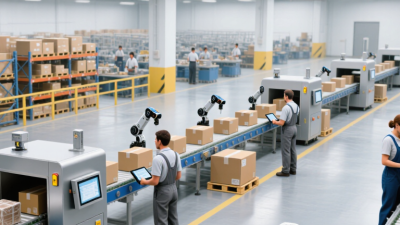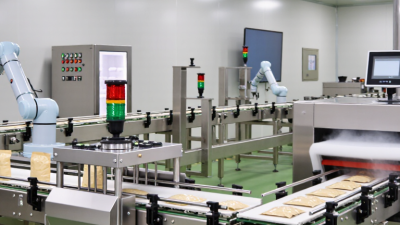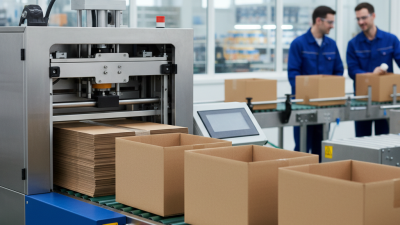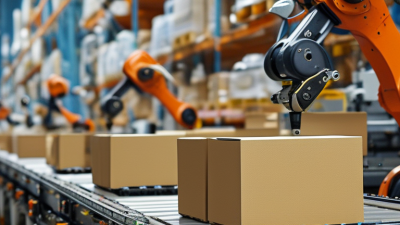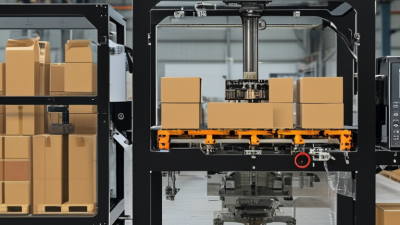
Choosing an automatic packing system in 2026 requires more than comparing machine prices. Production targets, labor availability, product shape, and packaging materials must fit together. A carton line may look impressive under bright factory lights, yet fail when products arrive unevenly or film tension changes.
PMMI’s 2024 U.S. Packaging Machinery Shipments Study reported approximately $10.8 billion in shipments during 2023. Its industry analysis also highlights labor shortages, flexible production, and digital connectivity as major investment drivers. Smithers’ packaging market research points toward continued growth in automation, recyclable materials, and efficient formats. These reports suggest a clear direction. Machines must become more adaptable, measurable, and easier to maintain.
Jorge Izquierdo, Vice President of Market Development at PMMI, has emphasized that “automation is a key solution to labor challenges.” That observation is practical, not theoretical. A reliable system can reduce repetitive handling, improve weighing accuracy, and record performance data during every shift. However, automation does not repair poor product flow. It cannot replace thoughtful line design. That part is often underestimated.
This guide examines speed, changeover time, integration, sanitation, safety, energy use, and total ownership cost. It also considers operator training and after-sales support. A lower purchase price may hide expensive downtime. A faster machine may create more waste. The best automatic packing system is not always the most advanced model. It is the one that performs consistently in your actual facility, with your actual products, people, and production pressures. Mistakes still happen. Careful testing remains essential.
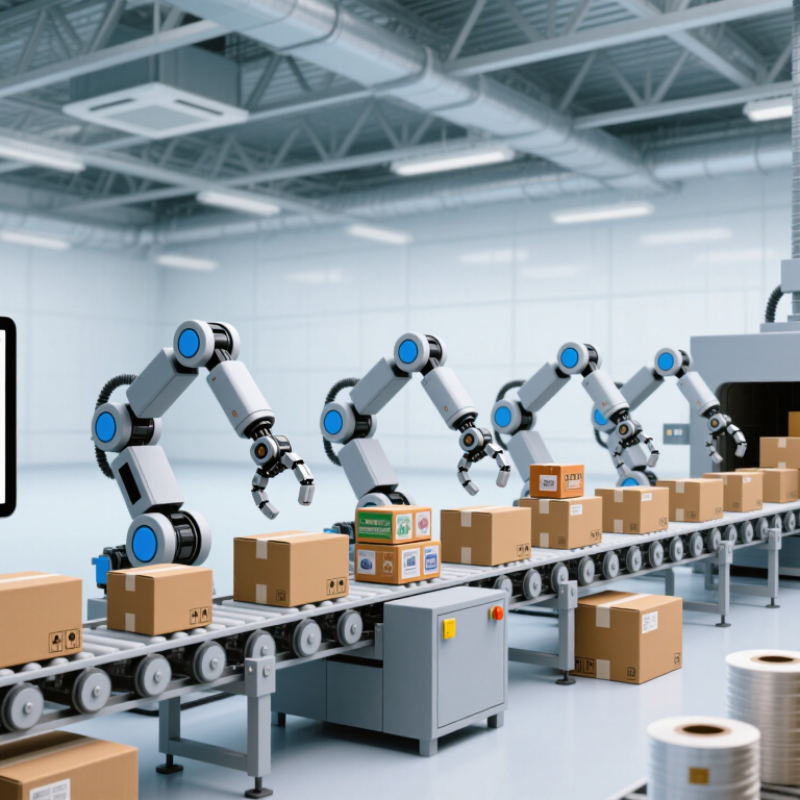
An automatic packing system is a coordinated line that prepares, fills, closes, and moves products with limited manual handling. It may include an infeed conveyor, product counter, forming unit, filler, sealing station, labeler, and discharge conveyor. Sensors check product position and package presence. A programmable controller then adjusts timing between each stage.
For example, a pouch line may guide empty film around a forming collar. The machine creates a tube, measures the product, makes a seal, and cuts each pack. Operators set speed, temperature, fill quantity, and package length through a control panel. Choosing a system in 2026 requires more than checking its maximum speed. Match the equipment to product shape, weight, moisture, packaging material, cleaning needs, and available floor space. Check changeover time too. A fast machine can still waste time during daily adjustments. No system is truly plug-and-play. Factory trials and operator training often reveal small problems before installation.
Tips: Request test runs using your real products and packaging film. Measure actual output, not only advertised capacity. Inspect seal quality at different speeds. Ask for maintenance records, spare-part availability, and clear training documents. Leave room around the line for cleaning and repairs. A thoughtful layout matters. Also review production data regularly; recurring jams may indicate poor alignment, inconsistent products, or settings that need refinement.
Product requirements should guide the equipment choice, not impressive speed claims. Measure product dimensions, weight, shape, fragility, and allowable compression. Check whether the system must count, weigh, fill, seal, label, or inspect each unit. Products with irregular surfaces may need gentler handling and longer sealing control. I have seen projects fail because samples were too perfect. Test real production batches, including damaged, dusty, or inconsistent items.
Material behavior is equally important. Film thickness, stiffness, moisture sensitivity, static charge, and heat resistance affect feeding and sealing. Confirm the material’s approved temperature range before selecting heaters or sealing jaws. Consider recyclable structures, but verify their machinability through trials. A material can look sustainable on paper and still create frequent stoppages. That gap deserves honest review.
Tips: Record target output, operating hours, changeover frequency, and available floor space. Include compressed air, electrical capacity, cleaning access, and operator safety in the specification. Request documented test results, maintenance intervals, spare-part availability, and training details. Production teams should review the plan before purchase. Their practical experience often reveals awkward loading points or difficult cleaning areas. Leave room for future products, but do not pay for unused complexity. A smaller, stable system may outperform a faster system with constant adjustments. Recheck every assumption.
Choosing an automatic packing system in 2026 requires comparing system types, not just advertised speed. Vertical form-fill-seal machines suit loose products and compact footprints. Horizontal systems handle fragile items and shaped packs more gently. Premade-pouch systems offer strong presentation but usually involve higher packaging costs. Cartoning and case-packing systems support downstream automation. The best choice depends on product behavior, package format, and required changeover time.
Speed is not everything. The International Federation of Robotics reported 541,302 industrial robots installed worldwide in 2023. This growth reflects wider automation adoption, but robot quantity does not guarantee packing efficiency. Compare actual output, reject rates, seal quality, and line integration. Ask for factory trials using your product, film, pouch, and target weight. A clean trial exposes problems that brochures often hide.
Core features deserve equal attention. Check servo control, recipe storage, tool-free adjustments, inspection sensors, remote diagnostics, and data access. Deloitte’s 2023 Smart Manufacturing Survey found that 86% of manufacturers viewed smart manufacturing as a key competitiveness driver within five years. That makes usable production data important. Still, connectivity can become expensive noise. A smaller system with reliable changeovers may outperform a faster machine with complicated maintenance. Operators should complete format changes without searching for special tools. That detail sounds minor. It rarely is. A practical evaluation should calculate total cost, including labor, film waste, energy, spare parts, training, and unplanned downtime.
How to Choose an Automatic Packing System in 2026?
When choosing an automatic packing system, measure real production speed, not the brochure’s peak number. A practical trial should run your actual products, carton sizes, and shift conditions. Record cartons per minute, stoppages, recovery time, and operator interventions. Speed alone misleads. A machine that runs quickly but jams every hour may reduce daily output.
Accuracy protects both costs and customer trust. Check fill levels, seal quality, label placement, and barcode readability across several batches. Use sample inspections and automatic reject tracking. A reliable system should show clear error records, not hide them behind vague alarms. I have found that small calibration changes can affect waste more than expected. That detail deserves regular review.
Flexibility matters when products change. Test tool-free changeovers, recipe storage, adjustable guides, and different packaging materials. A ten-minute format change can be valuable during short production runs. Integration also needs practical testing. Confirm communication with the warehouse system, production software, scales, scanners, and safety controls. Request live data during a full shift, including downtime and maintenance events. Interfaces may look simple during demonstrations, yet fail under network delays. Plan for manual operation when connections break. No system is perfect. The best choice is measurable, serviceable, and honest about its limits.
| Automatic Packing System Type | Typical Application | Typical Throughput | Typical Weight or Count Accuracy | Changeover Flexibility | Integration Capability | Labor Requirement | Best-Fit Production Profile | Evaluation Score |
|---|---|---|---|---|---|---|---|---|
| Intermittent Form-Fill-Seal System | Preformed bags or roll-stock bags for snacks, powders, granules, and small consumer products | 25–60 bags/min, depending on product characteristics, bag size, and sealing cycle | Usually ±0.5% to ±2.0% of target weight when paired with a suitable dosing system | Medium; bag dimensions and product settings normally require manual adjustments and recipe changes | Can connect to a multihead weigher, auger filler, checkweigher, metal detector, printer, and conveyor controls | Typically 1 operator per line for replenishment, quality checks, and material handling | Small to medium batches, moderate product variety, and operations prioritizing a balanced capital cost | 3.5/5 |
| Continuous Form-Fill-Seal System | High-volume packing of snacks, frozen products, bakery items, and other products suitable for continuous film movement | 60–180 packs/min; actual output depends on product flow, film, sealing method, and pack format | Usually ±0.5% to ±1.5% of target weight with a stable product-feed and dosing system | Medium to low; optimized for repeatable products and pack formats, with longer setup requirements for major changes | Strong compatibility with upstream feeding, weighing, inspection, coding, case packing, and line-control systems | Typically 1 operator per line, although additional support may be needed for high-speed material supply | Long production runs, high demand, limited product variation, and consistent pack specifications | 4.0/5 |
| Premade-Pouch Packing System | Stand-up pouches, zipper bags, spouted pouches, and products requiring a finished pouch appearance | 20–80 pouches/min, depending on pouch construction, filling method, and sealing requirements | Commonly ±0.5% to ±2.0% of target weight when the filler is correctly selected and calibrated | High; suitable for multiple pouch sizes and closure options, but pouch handling and change parts affect setup time | Can integrate with fillers, liquid pumps, checkweighers, gas flushing, seal inspection, coding, and case packing | Typically 1–2 operators per line, depending on pouch loading, material supply, and inspection needs | Products needing premium presentation, resealable packaging, or frequent changes between pouch styles | 4.0/5 |
| Robotic Pick-and-Place Packing Cell | Secondary packing, tray loading, carton loading, product collation, and mixed-format case packing | 20–120 picks/min per robot, depending on payload, reach, product orientation, and motion pattern | Placement accuracy is commonly within ±1–3 mm under controlled conditions; product count accuracy depends on sensors and software | High; recipes and end-of-arm tooling can support multiple products and pack patterns | Strong integration potential through PLCs, industrial networks, vision systems, conveyors, safety controls, and production software | Often 0.5–1 operator per cell for material replenishment, supervision, and quality checks | Mixed products, frequent format changes, labor-intensive secondary packing, and high requirements for repeatability | 4.5/5 |
| Automatic Case Packer | Loading bags, cartons, bottles, or multipacks into regular-slotted cases or shipping cartons | 10–40 cases/min, depending on case size, loading pattern, product stability, and closure method | Case count accuracy is typically 99.5% or higher when product detection and reject controls are correctly configured | Medium; multiple case sizes and pack patterns are possible, but format changes may require guides or tooling adjustments | Integrates with upstream packaging machines, case erectors, tape or glue sealers, labelers, palletizers, and traceability systems | Typically 1 operator per line for case blanks, consumables, monitoring, and quality verification | Stable secondary-packaging formats with predictable case dimensions and sustained production volume | 4.0/5 |
| Automatic Palletizing System | End-of-line palletizing for cases, trays, sacks, and bundled products | 10–60 cases/min, depending on payload, pallet pattern, robot type, and conveyor layout | Layer and case placement is commonly controlled within ±5–15 mm, subject to product and pallet stability | High for robotic systems; pallet patterns, case sizes, and product recipes can usually be changed through software | Can integrate with case conveyors, stretch wrappers, pallet dispensers, warehouse systems, safety systems, and line-level controls | Often 0.5–1 operator per cell, excluding forklift or pallet transport activities | High-volume end-of-line operations seeking reduced manual lifting and consistent pallet quality | 4.5/5 |
| Integrated Multi-Format Packaging Line | Complete lines combining primary packing, inspection, secondary packing, case handling, and palletizing | 30–180 consumer packs/min, limited by the slowest critical machine and product flow stability | System-level accuracy depends on the individual filler, scale, inspection devices, and reject verification; target specifications should be validated by factory acceptance testing | Medium to high when recipe management and automatic format adjustment are included | Very high; typically requires coordinated PLC controls, line synchronization, data collection, safety circuits, quality systems, and plant-network connectivity | Usually 1–3 operators per line, depending on automation level, product variety, and material-handling requirements | Large-scale production requiring centralized control, traceability, synchronized equipment, and consistent overall equipment effectiveness | 4.5/5 |
An automatic packing system should be priced as a production asset, not a machine alone. Request line speed, changeover time, rejects, compressed-air use, spare parts, training, and integration hours. Then calculate total cost of ownership over five years. Payback is not enough. The International Federation of Robotics reported 541,302 industrial robots installed globally in 2023. That growth signals strong adoption, but it does not prove your project will pay back. Test the calculation with slow months and two unplanned stoppages.
Safety needs evidence before purchase. Ask for a documented risk assessment aligned with ISO 12100, guarding details, emergency-stop validation, and safe access for cleaning. U.S. Bureau of Labor Statistics data recorded 5,283 fatal work injuries in 2023, with a 3.5-per-100,000-worker rate. The figure covers all industries, not packaging specifically. Still, it shows why shortcuts deserve scrutiny. For maintenance, inspect bearing access, sensor replacement time, diagnostics, and technician availability. PMMI research continues to identify automation skills gaps in packaging operations. Do not accept vague remote-support promises.
Supplier support often decides whether uptime survives the first year. Require acceptance tests using your real cartons, film, product variation, and cleaning routine. Measure output, seal quality, changeovers, noise, and recovery after a fault. A polished demonstration can hide awkward cleaning steps. That risk is easy to underestimate. Ask for response times, escalation routes, manuals, training records, and stocked critical parts. Leave contingency money; integration assumptions are rarely perfect.
Five-Year Ownership Cost Planning Model
This neutral planning model shows the main cost dimensions to compare before selecting a system. Safety should be treated as a qualification gate: verify risk assessment and safeguarding against ISO 12100, ISO 13849-1, ISO 13850, and IEC 60204-1. Confirm preventive-maintenance intervals, spare-parts availability, remote-service response times, operator training, and local technical support with each supplier.
Planning assumptions: USD thousands for a mid-volume automated packing line. Values are budgetary benchmarks for comparison and should be replaced with supplier quotations, site energy rates, and validated downtime estimates.