BLOG

How to Choose the Right Stretch Wrap for Global Shipping?

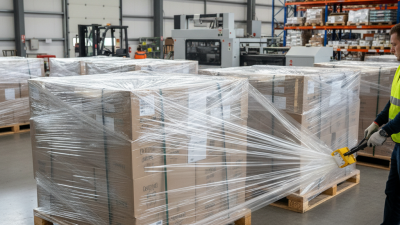
Choosing the right stretch wrap for global shipping is more than selecting the thickest film available. A pallet may face humid ports, dry warehouses, rough transfers, and long periods under tension. Each condition can affect load stability. The right choice depends on product weight, pallet shape, travel distance, wrapping equipment, and expected handling. A light carton load may need a different film from dense machinery parts. Cost matters, but damaged goods cost more.

Practical shipping teams often compare film thickness, stretch percentage, puncture resistance, cling, and holding force. They also test how the film performs around sharp corners and uneven cartons. A reliable evaluation should include real pallets, not only supplier samples. Watch the load after wrapping. Does the film loosen overnight? Do cartons lean after movement? Small failures matter. Very much.

Global routes add further concerns. Temperature changes can influence film performance, while moisture may weaken packaging materials around the load. Recyclability goals and destination packaging requirements should also guide the decision. However, there is no universal best stretch wrap. A film that performs well in a controlled warehouse may disappoint during ocean transport. That possibility deserves attention. Documenting test results, supplier specifications, and operator feedback creates a more dependable process. When uncertainty remains, begin with a limited shipment and review the outcome before changing the entire packaging program.

How to Choose the Right Stretch Wrap for Global Shipping?

Stretch Wrap’s Role in Global Shipping

Stretch wrap does more than hold cartons together during global shipping. It forms a flexible outer layer around a pallet, limiting shifting, dust, and light moisture exposure. When a container crosses several climates, this restraint becomes important. Heat can soften film, while cold may reduce its flexibility. Rough handling can turn a small carton edge into a puncture point. The wrap cannot repair weak packaging. That distinction matters.

The right choice begins with the shipment, not the film roll. Check pallet weight, carton shape, sharp corners, travel distance, and expected handling. A heavier load may need higher puncture resistance rather than simply more layers. Pre-stretched film can reduce material use, but excessive tension may crush light cartons.

Test wrapped pallets with corner protection and realistic movement. Watch for leaning, loose tails, and broken film after loading. Small details reveal large risks.

In warehouse trials, compare holding force before and after exposure to heat and cold. Inspect the bottom layers, where pressure and forklift contact often create failures. Clear film helps workers see labels and damage, although visibility is not always enough.

Some assumptions need challenging. More wrap does not automatically mean safer cargo. A trained operator, consistent wrapping pattern, and recorded checks often matter just as much. The best specification may still need adjustment after the first route.

Key Factors for Matching Wrap to Cargo and Transport Conditions

How to Choose the Right Stretch Wrap for Global Shipping?

Key Factors for Matching Wrap to Cargo and Transport Conditions

Choosing stretch wrap starts with the cargo, not the roll. Lightweight cartons may need a thinner film with strong cling. Heavy pallets often require higher puncture resistance and reliable load retention. Check sharp corners, uneven surfaces, and exposed edges before wrapping. They can tear film quickly.

Transport conditions matter just as much. Ocean freight can expose pallets to humidity, salt air, vibration, and long storage periods. Air freight usually demands lower weight and stable containment during repeated handling. Road shipments may face sudden braking, heat, dust, and rough loading areas. For sensitive cargo, combine suitable film with corner protection and a firm pallet base.

Application settings also affect performance. Excessive tension can crush cartons, while insufficient tension allows shifting. Test the wrap on a complete pallet, not only on a sample box. Measure film use, check loose layers, and inspect the load after movement. I once approved a thinner film to reduce material use, but the outer cartons rubbed through during transfer. The saving was not real. Review the result.

Film clarity can support scanning and inspection, while consistent cling reduces loose tails. Choose wrap that matches the equipment, temperature, and handling method. A small trial shipment can reveal problems that specifications miss. Always check destination packaging requirements and recycling guidance before large-scale use.

How to Compare Stretch Wrap Materials and Performance

How to Choose the Right Stretch Wrap for Global Shipping?

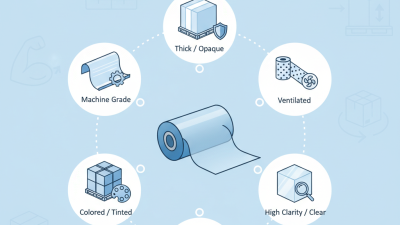
Material choice affects load stability, puncture resistance, and waste. Cast LLDPE film usually unwinds quietly and offers consistent thickness. Blown film often provides stronger puncture resistance, but it may feel less uniform during application. Pre-stretched film can reduce material use, yet it needs suitable equipment and stable pallets. ASTM D4649 recommends comparing stretch-film properties with the actual load and wrapping method, not only price.

Sustainability also needs careful measurement. PlasticsEurope’s Plastics—The Fast Facts 2023 reports that packaging represented 39.6% of European plastics demand in 2022. The OECD Global Plastics Outlook reports that only 9% of global plastic waste was recycled in 2019. These figures are not stretch-film statistics. Still, they show why downgauging and recycled content deserve attention. PCR film can reduce virgin resin use, but variation may affect cling, elongation, and holding force. A thinner film is not automatically better. That assumption needs testing.

Tips: Request tensile, elongation, puncture, cling, and load-retention data. Test full pallets across hot, cold, humid, and long-transit conditions. Check the first and last wraps. Measure actual film consumption, not roll weight alone. A practical trial may reveal an uncomfortable result: the cheaper film can create more damage, rework, and waste.

Selecting the Right Wrap for Climate, Routes, and Handling Risks

Choosing stretch wrap for global shipping starts with the route, not the warehouse shelf. In packaging audits, I have seen wrap perform well in a cool room and fail after humid transfers. Climate changes its behavior. Heat can soften film and reduce load stability. Cold conditions may make it less flexible. High humidity can weaken cartons before wrapping begins. For tropical routes, select film with dependable puncture resistance and controlled cling. For dry, cold lanes, flexibility matters more. Test both.

Handling risk deserves equal attention. A pallet moved by forklift needs strong tear resistance around corners. Long ocean journeys need stable containment against vibration and shifting. Air freight may favor lighter material, but reduced weight must not sacrifice security. Measure the load’s height, weight, and sharp edges. Then run a practical test: wrap a sample pallet, tilt it slightly, and inspect loose layers. This simple check often exposes poor tension settings. It is not a laboratory result. Still, it reflects real handling better than a brochure claim.

Route data should guide the final choice. Ask carriers about transfer points, outdoor exposure, and expected storage time. Record film thickness, stretch percentage, and failures during trial shipments. A reliable process compares results, not assumptions. I once approved thinner wrap to reduce waste, then found corner damage during unloading. The decision looked efficient on paper. It was not. Reassess after seasonal changes, because one successful shipment proves very little. That judgment often changes after the first rainy-season shipment.

Testing, Applying, and Reviewing Your Stretch Wrap Choice

Choosing stretch wrap should begin with testing, not guesswork. The 2024 MHI Annual Industry Report found that 55% of supply-chain professionals expected to increase technology investment. A small packaging trial deserves the same attention. Test film thickness, pre-stretch, puncture resistance, and holding force with your actual cartons. Use mixed pallets, sharp corners, and uneven weights. Measure film use per pallet and inspect shifting after vibration, compression, and temperature changes. ASTM D4649 can support controlled film evaluation, while ISTA 3E helps simulate unit-load transport.

Application matters just as much as film selection. Set the wrapper’s tension carefully. Excessive force can crush cartons or expose weak corners. Too little tension allows telescoping and leaning. Record wrap count, overlap, film breakage, and pallet weight. During one trial, our lighter film reduced material use but failed around a rough-edged carton. That result was useful, although disappointing. A second trial with corner protection improved stability. It also increased labor time, which we nearly overlooked.

Tips: Test at least three load types. Photograph damage before opening. Review results after delivery, not only at dispatch. Compare total cost, including product loss, labor, rework, and disposal. The 2023 Waste Management and Climate Change report from the International Solid Waste Association emphasizes prevention and efficient resource use, but lower film consumption alone does not prove better performance. A thinner wrap can create more waste when damaged loads require replacement. Evaluate the whole journey.

How to Choose the Right Stretch Wrap for Global Shipping?

Testing, applying, and reviewing stretch wrap performance helps match film capability with pallet weight, load stability, transport distance, and climate exposure.

The chart shows typical elongation capacity ranges used for common stretch-film categories. Pre-stretch film generally requires less force during application, while machine and high-performance films provide greater elongation potential for heavier or irregular loads. Confirm the film specification with a controlled shipment trial, checking containment force, puncture resistance, load shifting, and performance after temperature and humidity changes.

Go to Top