Best Pallet Wrap Options for Global Buyers Today?
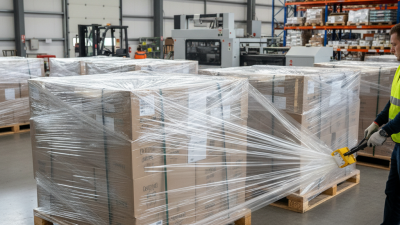
In today's global market, the demand for efficient packaging solutions has led to a significant rise in the use of pallet wrap. Industry reports estimate that the pallet wrap market will grow at a CAGR of over 5% from 2022 to 2027. This growth indicates a shift towards eco-friendly and cost-effective solutions among manufacturers and distributors. The right pallet wrap not only protects goods but enhances supply chain efficiency.
Various options are available for global buyers, ranging from stretch film to shrink wrap. Each type of pallet wrap offers unique benefits. Stretch film provides superior load stability, while shrink wrap enables tight, protective seals. Choosing the right option depends on factors like load type, transportation distance, and environmental considerations. However, many buyers overlook the importance of selecting the appropriate thickness and elasticity.
Analysis of common pitfalls reveals that improper use of pallet wrap can lead to product damage and increased shipping costs. Many businesses underestimate the importance of quality, opting for cheaper alternatives. This can ultimately undermine efficiency and sustainability goals. A careful evaluation of pallet wrap options is essential for success in today's competitive landscape.
Top Types of Pallet Wrap Available for Global Markets
Pallet wrap is essential for secure shipping and storage. Its primary purpose is to protect goods during transit. In the global market, several types are available, each with its unique advantages.
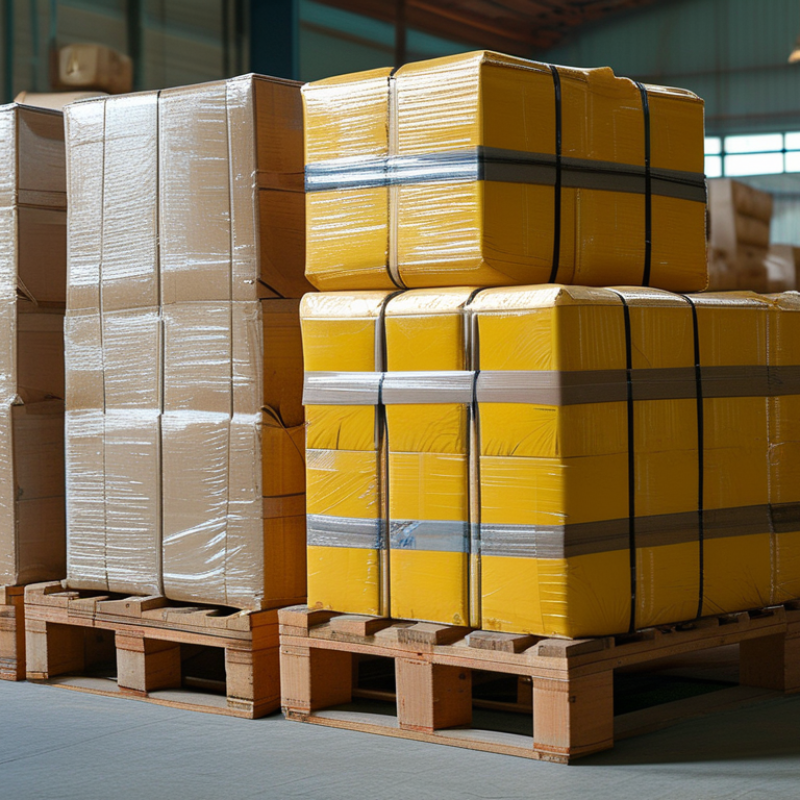
Stretch film is a popular choice. Its elasticity ensures tight wrapping around products. This type often reduces shipping damage. The clarity of the film allows easy scanning of barcodes.
Another option is shrink film, which provides a snug fit once heated. It offers a polished look, suited for retail displays.
Moreover, biodegradable wraps are gaining traction. They appeal to eco-conscious buyers. These wraps break down naturally, reducing landfill waste. However, they may not provide the same durability as traditional options. Users sometimes express concerns about their effectiveness.
Evaluating the right type is crucial for optimal performance. Understanding each option can greatly influence shipping outcomes.
Key Factors to Consider When Choosing Pallet Wrap
When choosing pallet wrap, various factors come into play. Quality is paramount. The thickness of the film plays a major role in its durability. A thicker wrap often provides better protection against punctures and tears. Consider the load size and weight as well. Larger items may require a stronger film to ensure stability during transportation.
Another important factor is the stretchability of the wrap. A highly stretchable film can conform better to irregular shapes, providing a snug fit. This reduces the risk of damage during transit. It's crucial to evaluate if the design fits your specific needs. An often overlooked aspect is the clarity of the wrap. Clear films allow for easy inspection of the packed items without unwrapping.
Environmental considerations cannot be ignored either. Many buyers now seek eco-friendly options, balancing performance with sustainability. Often, these wraps may not perform as well as traditional ones. This needs reflection. Understanding your specific requirements while ensuring a balance between quality and sustainability can be challenging.
Comparing Stretch Film vs. Shrink Wrap for Shipping Needs
When it comes to securing shipments, choosing the right wrapping material is crucial. Stretch film and shrink wrap are two popular options with distinct advantages. Stretch film, made from polyethylene, is elastic and clings tightly to items. It’s excellent for bundling products and maintaining stability during transit. The wrap offers protection against dust, moisture, and tampering, making it a reliable choice for many shipping needs.
On the other hand, shrink wrap provides a snug fit by using heat to contract the film around the items. This option is ideal for creating a tight seal that protects products from environmental factors. However, it requires additional equipment for heating. Depending on your product type and shipping method, one option may be more beneficial than the other. Both have pros and cons.
Some users find stretch film less secure for heavy items, while others report difficulties with shrink wrap sealing properly. Evaluating the needs of your shipment is essential. Consider the type of product, packaging conditions, and the journey it will take. Being mindful of these details can enhance your shipping efficiency and minimize losses. Careful selection leads to better protection and customer satisfaction in the long run.
Sustainability in Pallet Wrap: Eco-Friendly Options for Buyers
Sustainability is a growing focus in the packaging industry, particularly for pallet wrap. Eco-friendly options are becoming essential for global buyers. Many conventional wraps are made from non-biodegradable materials, contributing to pollution. Alternatives like biodegradable and compostable films are now available. These options help reduce landfill waste and environmental impact.
Buyers are increasingly seeking materials derived from renewable resources. Options made from recycled plastics are gaining traction. These options demonstrate significant reductions in carbon footprints. However, not all eco-friendly wraps perform equally under various conditions. Some may lack the strength and durability of traditional wraps. Buyers must weigh performance against sustainability.
Selecting the right pallet wrap involves understanding trade-offs. While eco-friendly materials are beneficial, they may come with higher costs. This aspect requires reflection on budget and environmental goals. Ultimately, the shift towards sustainability is a journey. Each purchase decision contributes to a larger movement toward responsible packaging in the global market.
Cost Analysis: Best Value Pallet Wrap Brands Today
When selecting pallet wrap, cost-effectiveness is crucial for global buyers. Numerous options exist, varying in thickness, clarity, and stretchability. Thinner wraps may save money but risk tearing. A balance is necessary to ensure product protection.
Many buyers inquire about the best value brands. It's essential to analyze compression strength and load endurance in addition to price. Heavier loads benefit from stronger wraps. A good pallet wrap should also resist punctures and UV light. While some brands focus solely on cost, this approach can lead to inferior performance.
Buyers should be cautious about overly cheap options. The short-term savings could translate to higher losses in damaged goods. Investing in more reliable wraps ultimately leads to cost savings. In the end, quality and reliability should drive buying decisions.
Best Pallet Wrap Options for Global Buyers Today? - Cost Analysis: Best Value Pallet Wrap Brands Today
| Pallet Wrap Type |
Thickness (Microns) |
Width (Inches) |
Length (Feet) |
Cost per Roll (USD) |
Best For |
| Standard Stretch Film |
20 |
18 |
1500 |
30.00 |
General Use |
| Heavy Duty Stretch Film |
30 |
20 |
1200 |
35.00 |
Heavy Loads |
| Pre-Stretched Film |
15 |
20 |
1500 |
28.00 |
Lightweight Items |
| Colored Stretch Film |
20 |
18 |
1200 |
32.00 |
Visibility |
| Biodegradable Film |
25 |
16 |
1500 |
40.00 |
Eco-Friendly Packaging |