
China Best Packaging Equipment Manufacturers for Buyers
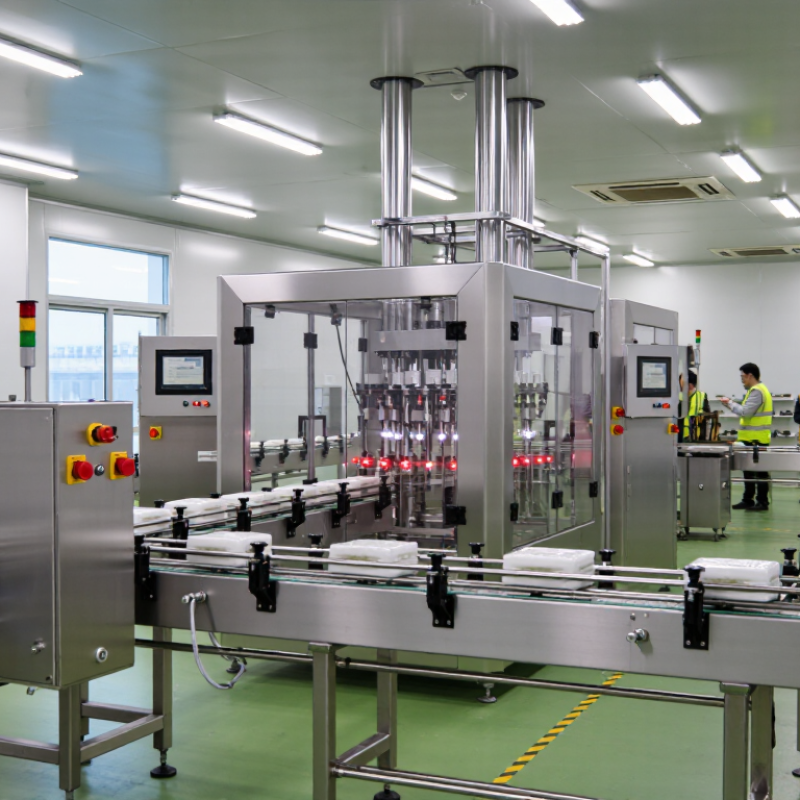
Choosing among China’s best packaging equipment manufacturers requires more than comparing prices or factory photographs. Buyers need evidence of engineering depth, stable production, and dependable after-sales support. A modern packaging line may include servo-driven fillers, stainless-steel conveyors, labeling units, and vision inspection systems. Each component affects output, hygiene, product protection, and operating cost.
Luciana Pellegrino, a respected packaging specialist and former president of the World Packaging Organisation, said, “Packaging must protect the product and reduce waste.” That principle should guide every supplier evaluation. The strongest manufacturers explain how their packaging equipment improves accuracy, reduces material loss, and supports efficient changeovers. They also provide factory testing, clear manuals, spare parts, and responsive technical training.
Details matter. Ask for recorded speed tests. Check sealing consistency at different temperatures. Examine welds, cable routing, emergency stops, and cleaning access. Request references from companies with similar products and production volumes. A polished showroom is not enough. Real performance appears during long shifts, difficult formats, and rushed maintenance.
No supplier is perfect. Even experienced manufacturers may overstate capacity or underestimate installation challenges. Buyers should question assumptions and document every requirement. Certifications, warranty terms, software ownership, and delivery schedules deserve careful review. The right partner is not always the cheapest one. It is the manufacturer that combines practical experience, transparent communication, and equipment that remains reliable after installation. This guide introduces leading Chinese manufacturers and the factors buyers should examine before making a confident decision.
What China’s Packaging Equipment Manufacturers Offer
China Best Packaging Equipment Manufacturers for Buyers
China’s packaging equipment manufacturers offer broad customization for food, beverage, pharmaceutical, and consumer goods production. Buyers can request filling, labeling, cartoning, wrapping, and inspection systems around specific product sizes. Many factories combine servo drives, PLC control, vision inspection, and remote monitoring. This supports steadier output and faster changeovers.
Mordor Intelligence estimates the global packaging machinery market will grow from about USD 52.8 billion in 2024 to USD 63.4 billion by 2029. Its report identifies automation and flexible production as key market drivers. Chinese manufacturers respond with modular machines, stainless-steel contact parts, and configurable software. Some workshops also provide factory acceptance testing, sample trials, installation, and operator training. These steps reduce surprises after delivery.
The details matter.
A serious buyer should inspect drawings, tolerance records, test videos, and spare-parts policies. Ask for measurable cycle speed, filling accuracy, compressed-air use, and cleaning time. A low quotation can hide weak documentation or expensive maintenance. That risk is easy to underestimate. PMMI’s packaging industry reports repeatedly connect labor shortages with stronger automation demand, but automation still requires skilled technicians. Chinese suppliers can provide practical engineering value, yet communication gaps may delay commissioning. Clear specifications, bilingual manuals, and staged inspections make the partnership more reliable. No supplier is perfect, and every claimed performance figure deserves independent verification.
| Equipment Category | Common Packaging Applications | Typical Production Range | Compatible Packaging Materials | Common Automation Functions | Typical Customization Options | Common Buyer Documentation |
|---|---|---|---|---|---|---|
| Vertical Form-Fill-Seal Machines | Powders, granules, snacks, grains, pet food, spices and other free-flowing products. | Approximately 20–100 bags per minute, depending on product characteristics, bag format and filling system. | Heat-sealable laminated films, polyethylene-based films and other approved flexible packaging films. | Film feeding, date coding, bag forming, filling, sealing, cutting and basic fault detection. | Auger, volumetric cup or multi-head weighing systems; pillow, gusseted and block-bottom bag formats. | Operating manual, electrical drawings, spare-parts list, packing list and factory test records. |
| Horizontal Form-Fill-Seal Machines | Biscuits, confectionery, soap, hardware, medical consumables and individually wrapped products. | Approximately 30–200 packages per minute, depending on product dimensions and sealing configuration. | Heat-sealable laminated films, polypropylene films and polyethylene-based films. | Product infeed, film registration, longitudinal sealing, end sealing, cutting and photoelectric tracking. | Single or multiple lanes, servo-driven feeding, modified sealing assemblies and infeed conveyors. | Machine layout, electrical schematic, user instructions, inspection records and installation requirements. |
| Premade Pouch Packing Machines | Stand-up pouches, flat pouches and zipper pouches for food, chemicals, pet products and household goods. | Approximately 20–70 pouches per minute, depending on pouch size, product dosing and machine configuration. | Preformed laminated pouches, foil-laminated pouches and heat-sealable multilayer pouches. | Pouch picking, opening, filling, vacuum or gas flushing when configured, sealing and discharge. | Zipper opening, spout handling, vacuum packing, nitrogen flushing and liquid or powder dosing. | Pouch-size range, changeover instructions, pneumatic diagram, spare-parts list and acceptance checklist. |
| Liquid and Paste Filling Machines | Water-like liquids, sauces, oils, creams, detergents, lotions and viscous products. | Approximately 10–120 containers per minute, depending on filling volume, viscosity and number of filling heads. | Plastic bottles, glass containers, metal cans and flexible pouches, subject to product compatibility. | Container indexing, piston or pump filling, no-container-no-fill control and automatic shutoff. | Filling volume, number of heads, heated hoppers, anti-drip nozzles and product-contact materials. | Filling accuracy test, product-contact material information, cleaning instructions and utility requirements. |
| Granule and Powder Weighing Systems | Rice, grains, seeds, nuts, snacks, fertilizers, detergents and powdered food ingredients. | Approximately 10–80 weighments per minute, depending on target weight, product flowability and accuracy requirements. | Product-contact surfaces are commonly manufactured from stainless steel suitable for the application. | Automatic weighing, discharge, zero tracking, recipe storage and overload protection. | Target-weight range, hopper volume, dust control, feeding method and integration with bagging equipment. | Calibration procedure, weighing test report, cleaning guide, wiring diagram and recommended spare parts. |
| Cartoning Machines | Pharmaceutical products, cosmetics, food cartons, household products and small consumer goods. | Approximately 30–200 cartons per minute, depending on carton style, product arrangement and feeding method. | Folding cartons made from paperboard or coated paperboard, subject to carton design and board quality. | Carton erection, product insertion, leaflet insertion, carton closing and batch-code verification. | Horizontal or vertical loading, leaflet feeders, glue or tuck-in closure and serialization-ready interfaces. | Carton drawings, changeover parts list, operating instructions, safety documentation and test records. |
| Case Packers and Case Sealers | Secondary packaging for bottles, cans, cartons, pouches and grouped retail products. | Approximately 5–30 cases per minute, depending on case size, loading pattern and sealing method. | Corrugated fiberboard cases sealed with adhesive tape or hot-melt adhesive. | Case forming, product collation, loading, flap folding, sealing and conveyor transfer. | Top-load or side-load configuration, robotic loading, case-size changeover and print-and-apply labeling. | Case dimensions, loading pattern, line layout, utility list, safety assessment and acceptance criteria. |
| Palletizing Systems | Finished cases, bags, cartons and bundled products at the end of automated packaging lines. | Approximately 8–30 cases per minute for many standard applications, depending on pallet pattern and payload. | Corrugated cases, woven bags, paper sacks and shrink-wrapped bundles. | Product accumulation, layer forming, pallet transfer, pattern control and optional stretch wrapping. | Robotic or layer palletizing, custom pallet patterns, slip-sheet handling and conveyor layout. | Risk assessment, payload data, layout drawing, operating manual, maintenance schedule and training records. |
| Stretch Wrappers | Stabilizing palletized cartons, bags, drums and mixed-load shipments for storage or transportation. | Approximately 20–80 pallet loads per hour, depending on pallet dimensions, wrapping pattern and film settings. | Stretch film, commonly made from polyethylene-based materials. | Film pre-stretching, turntable or rotary-arm wrapping, top-sheet application and automatic film cutting. | Load height, film pre-stretch ratio, wrapping cycles, conveyor integration and corner protection. | Film requirements, loading limits, installation instructions, electrical documentation and maintenance checklist. |
| Inspection and Checkweighing Equipment | Weight verification, missing-product detection, seal inspection, code verification and foreign-object screening. | Commonly 60–300 products per minute, depending on product size, inspection technology and line speed. | Suitable for packaged products on flexible film, cartons, trays, bottles and containers. | Automatic rejection, weight recording, alarm management, production statistics and traceability data export. | Metal detection, vision inspection, seal inspection, barcode reading and integration with manufacturing databases. | Calibration certificates, performance test results, rejection validation records and software documentation. |
| Labeling and Coding Machines | Applying labels or printing variable information on bottles, cartons, pouches, cases and pallets. | Approximately 30–300 products per minute, depending on label size, print resolution and conveyor speed. | Pressure-sensitive labels, thermal-transfer ribbons, inkjet-compatible surfaces and direct-print packaging materials. | Product detection, label dispensing, print triggering, code verification and reject handling. | Wrap-around, front-and-back, top labeling, batch coding, barcode printing and serialization interfaces. | Label drawings, print samples, coding specifications, installation guide and maintenance instructions. |
| Vacuum and Modified-Atmosphere Packaging Equipment | Meat, seafood, cheese, ready meals, coffee, medical products and other oxygen-sensitive goods. | Approximately 2–20 cycles per minute for chamber systems; output varies with chamber size and package format. | Vacuum pouches, thermoformed trays, barrier films and heat-sealable multilayer materials. | Air removal, gas flushing, heat sealing, pressure control and programmable cycle management. | Chamber dimensions, gas mixture control, seal width, tooling and automatic product loading. | Vacuum and sealing test results, gas requirements, material compatibility guidance and cleaning procedures. |
| Common Supply and Service Features | Complete packaging lines, standalone machines, line upgrades and replacement equipment for different industries. | Lead times commonly range from several weeks to several months, depending on customization, testing and order quantity. | Equipment is generally configured around the buyer’s selected films, pouches, cartons, containers and product characteristics. | Line integration, remote support, operator training, preventive-maintenance guidance and spare-parts planning. | Voltage and language configuration, conveyor direction, layout adaptation, product-contact components and data interfaces. | Commercial invoice, packing list, technical manual, electrical drawings, conformity documents and factory acceptance records. |
| Note: Production figures and delivery periods are indicative industry ranges rather than guaranteed specifications. Actual performance depends on product properties, package dimensions, material quality, machine configuration, local regulations and factory acceptance testing. | ||||||
Related Posts
-
What Are the Best China Packaging Equipment Suppliers?
-
The Future of Sustainable Packaging Equipment Innovations for Eco Friendly Solutions
-
2025 Top 5 Innovative Packaging Equipment Trends Transforming the Industry
-

2025 How to Optimize Your Packaging Automation Solutions for Maximum Efficiency
-
Top Packaging Equipment Solutions for Your Business Needs?
-
How to Choose the Best Packaging Equipment in 2026?
