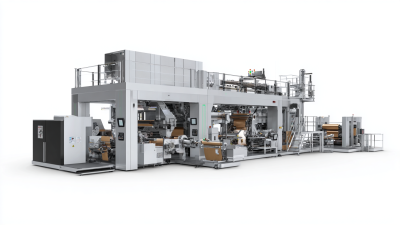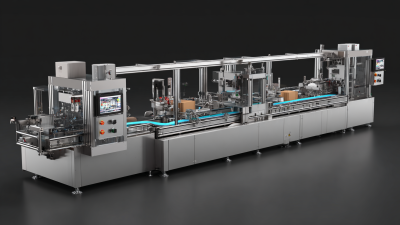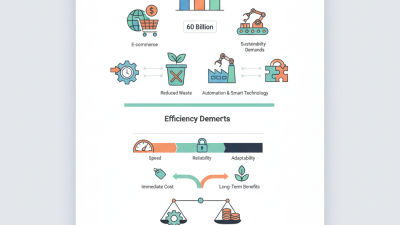
Choosing the best China packaging equipment suppliers requires more than comparing prices and product photos. A reliable supplier must fit your product, factory space, output target, and quality standards. The right machine should run steadily, protect the package, and remain serviceable after installation. Small details matter, such as stainless-steel contact parts, clean cable routing, and accessible adjustment points.
This guide examines suppliers through practical purchasing criteria. These include manufacturing experience, technical expertise, equipment testing, export records, certifications, and after-sales support. A serious supplier should explain filling accuracy, sealing temperature, line speed, spare-part availability, and expected maintenance. Factory audits can reveal useful evidence. Look for organized assembly areas, labeled components, documented inspections, and a live machine demonstration. Customer references also help verify whether promised performance matches daily production.
There is no perfect ranking. A supplier serving snack manufacturers may not suit pharmaceutical or cosmetic applications. Some companies offer attractive prices but limited commissioning support. Others provide stronger engineering and documentation, yet require a larger budget. That difference deserves careful reflection. Buyers should request sample tests, detailed quotations, warranty terms, electrical specifications, and installation plans before signing. They should also confirm compliance with applicable safety and import requirements in the destination market. With these checks, packaging equipment selection becomes a controlled business decision rather than a rushed online purchase. The best supplier is not always the largest. It is the partner that communicates clearly, proves its capabilities, and supports reliable production over time.
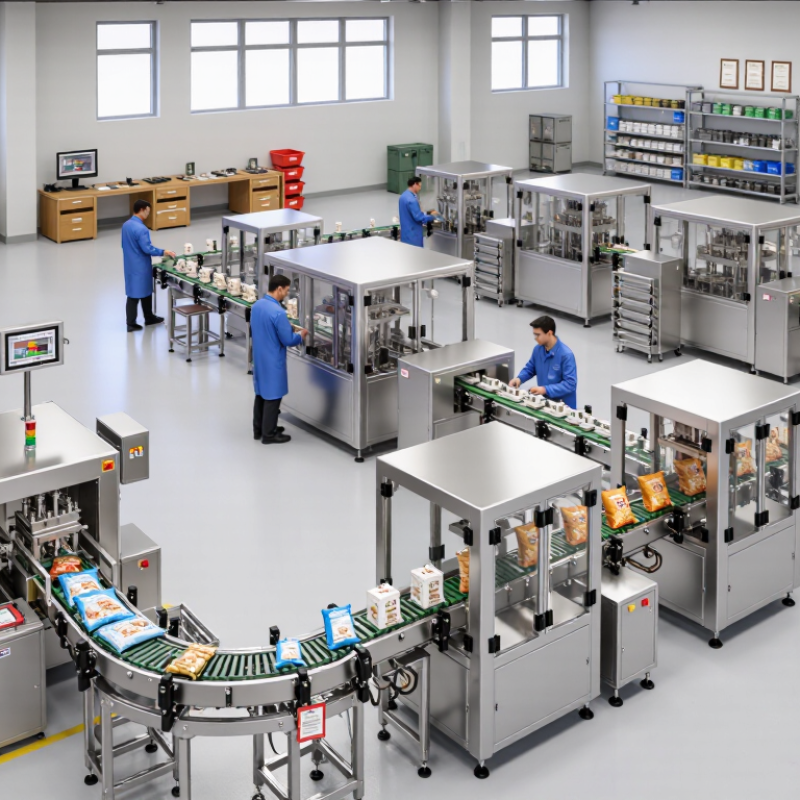
A reliable China packaging equipment supplier proves its capability through repeatable performance, not polished promises. Ask for production records, factory photos, and recent customer references. A serious supplier should explain machine capacity, material compatibility, and expected maintenance intervals in clear English. During a factory visit, inspect wiring, pneumatic lines, safety guards, and spare-part storage. Small details often reveal larger habits.
Request a sample test with your actual packaging materials. Watch the feeding system, sealing quality, labeling accuracy, and changeover time. The supplier should provide a written test report with measurable results. It should also explain software access, operator training, installation support, and response times. Certifications matter, but they cannot replace practical evidence. A certificate alone does not run a machine.
Tips: Compare at least three suppliers. Check references from similar industries. Confirm lead times in writing. Ask who handles service after delivery. Review spare-part prices before signing. A video call is useful, but it may hide production weaknesses. An on-site audit is stronger. Still, no audit is perfect. I would also leave room for unexpected delays, because factory schedules sometimes change. Reliable suppliers discuss these risks openly and offer workable solutions instead of avoiding difficult questions.
A reliable supplier should be evaluated through measurable procurement factors, including quality management, equipment compliance, customization capability, delivery performance, after-sales support, spare-parts availability, and total cost of ownership. The percentages represent a suggested evaluation weighting for comparing suppliers without relying on company or brand names.
Chinese packaging equipment suppliers offer far more than basic filling machines. Their portfolios commonly include liquid and powder fillers, capping units, induction sealers, labeling machines, and date coders. For bags, buyers can choose vertical form-fill-seal, premade pouch, vacuum, or sachet systems. Cartoners, case packers, wrapping machines, palletizers, and conveyors support complete end-of-line production.
Automation is expanding quickly. The International Federation of Robotics’ World Robotics 2024 report recorded 276,288 industrial robot installations in China during 2023, representing 51% of global installations. This growth is visible in packaging lines with robotic loading, vision inspection, and automatic changeovers. PMMI’s 2024 packaging trend research also highlights flexible formats, labor savings, and connected machinery as major purchasing concerns. Not every “smart” line delivers equal value.
The best equipment choice depends on product viscosity, container shape, speed, cleaning requirements, and available floor space. A factory may need a servo filler for accurate dosing, a rotary capper for stable output, or a compact monoblock for limited space. Suppliers can often provide factory acceptance testing, sample trials, spare-parts lists, and remote support. Ask for measurable results, not attractive videos. A polished demonstration can hide difficult changeovers or excessive material waste. Testing still matters. Reliable buyers should verify electrical standards, software access, documentation, and service response before signing.
What Are the Best China Packaging Equipment Suppliers?
A strong supplier proves quality through repeatable production, not attractive photographs. During a factory review, inspect welded frames, electrical cabinets, guarding, and spare-part storage. Ask to see a complete machine running with your actual packaging materials. Watch the changeover time, seal consistency, reject rate, and operator access. These details reveal more than a sales presentation.
Technology should match your production needs, not simply include the newest features. Check control-system stability, data recording, remote support, and compatibility with existing lines. Request test reports, user references, and maintenance records from similar installations. Certifications also require careful checking. Verify the certificate number, issuing body, product scope, and expiration date. A general quality certificate does not automatically prove machine safety or performance. I have found that a polished factory video can hide slow changeovers and difficult cleaning points. That possibility deserves attention.
Tips: Create a supplier scorecard covering quality, technology, certifications, delivery, training, and after-sales support. Visit the site when possible. Ask operators, not only managers, how problems are handled. Require a written acceptance test with measurable targets. Leave room for doubt; specifications may look complete until real materials enter the machine. A supplier that documents limitations honestly may be more reliable than one promising perfect results.
A practical scorecard for evaluating supplier quality, technology, compliance, service, and total ownership value
| Evaluation Dimension | Key Data Point | Recommended Benchmark | Evidence to Request | Weight |
|---|---|---|---|---|
| Quality Management | Documented quality management system and production controls | A current ISO 9001 certificate issued by an accredited certification body, supported by documented inspection procedures | Certificate scope, validity, certification-body accreditation, incoming inspection records, in-process inspection records, and final inspection reports | 12% |
| Machine Performance | Actual throughput, accuracy, stability, and reject rate | Performance demonstrated using the buyer’s actual product, packaging material, speed range, and acceptance criteria | Factory Acceptance Test protocol, production samples, speed test results, weight or fill accuracy data, seal-strength results, and recorded reject percentage | 15% |
| Technology and Automation | Control architecture, recipe management, diagnostics, and integration capability | Stable PLC/HMI controls, password-protected recipes, alarm history, remote diagnostic capability where permitted, and documented communication interfaces | Control-system architecture, HMI demonstration, I/O list, software backup procedure, network specification, and integration test plan | 12% |
| Mechanical and Electrical Design | Safety, maintainability, materials, and component documentation | Risk assessment based on ISO 12100 principles, electrical documentation aligned with IEC 60204-1 where applicable, and accessible maintenance points | Risk assessment, electrical schematics, pneumatic diagrams, bill of materials, guarding layout, spare-parts list, and maintenance schedule | 10% |
| Regulatory Compliance | Compliance with the destination market’s machinery, electrical, and product-contact requirements | A complete technical file and conformity documentation for the destination market; CE marking only where the applicable European requirements are satisfied | Declaration of Conformity, risk assessment, test reports, technical documentation index, safety-component information, and applicable product-contact declarations | 12% |
| Packaging-Material Compatibility | Compatibility with film, trays, cartons, pouches, labels, closures, or other specified materials | Successful testing with the buyer’s approved materials across the required temperature, humidity, dimensions, and speed range | Material specifications, compatibility test records, sealing-window data, changeover results, sample packages, and approved-material list | 8% |
| Customization and Engineering Capability | Ability to adapt layouts, tooling, feeding systems, and line integration | Clear engineering ownership, controlled revision process, documented interface requirements, and realistic project milestones | General arrangement drawing, utility list, layout proposal, change-control procedure, engineering schedule, and examples of technically similar projects without confidential customer data | 8% |
| Factory Testing and Commissioning | Formal testing before shipment and installation support after delivery | FAT completed against written acceptance criteria, followed by site acceptance testing and operator training | FAT checklist, punch-list process, SAT template, commissioning plan, training agenda, and acceptance sign-off procedure | 8% |
| After-Sales Service | Response time, spare-parts availability, troubleshooting, and warranty coverage | Written service-level commitments, defined warranty terms, stocked critical spares, and documented escalation contacts | Warranty policy, service response targets, spare-parts catalog, recommended critical-spares list, remote-support process, and service-record samples | 7% |
| Delivery and Project Control | Schedule reliability, procurement planning, and risk management | Milestone-based project plan covering design approval, procurement, assembly, FAT, shipment, installation, and SAT | Project schedule, long-lead-item list, quality gates, progress-report format, packaging and shipping plan, and risk register | 4% |
| Total Cost of Ownership | Purchase price plus utilities, labor, maintenance, consumables, and downtime risk | A comparable five-year cost model based on power consumption, compressed-air use, labor requirements, spare parts, and expected maintenance intervals | Itemized quotation, utility consumption data, consumables list, maintenance-cost estimate, spare-parts pricing, and upgrade-cost assumptions | 4% |
Equipment pricing from China depends on more than the machine itself. Stainless steel grade, filling accuracy, automation level, and change parts can alter the quote significantly. Installation tools, export packing, testing, and spare parts may be listed separately. Ask for a line-by-line commercial offer. A low quote can still mislead.
Delivery time depends on customization and factory workload. Standard conveyors may ship within weeks, while integrated lines require longer engineering and testing. Request a production schedule with design approval, factory acceptance testing, packing, and dispatch dates. Confirm electrical standards and documentation early. Small changes can create costly delays. This is often underestimated.
After-sales service deserves equal attention. Reliable suppliers should provide manuals, remote commissioning, operator training, and clear response times. Ask whether critical spare parts are available locally or must be shipped internationally. Written warranty terms should identify covered components, exclusions, and service channels. Video support helps, but it cannot replace skilled technicians during complex repairs. One practical weakness is assuming every supplier offers the same support quality. They do not. Check service records, request customer references, and test communication before signing. A detailed service agreement protects production more effectively than a friendly sales promise.
How to Select the Best Supplier for Your Packaging Requirements
Choosing a China packaging equipment supplier should begin with your product, not a catalog. Define package size, material, target speed, sealing temperature, and acceptable waste. Ask for a machine layout that matches your actual production space. A supplier may promise high output, but performance depends on operators, materials, and maintenance. Request test runs using your own products and packaging film. Watch the sealing area closely. Uneven seals often reveal hidden design problems.
Technical evidence matters. Review drawings, electrical specifications, safety documents, and spare-parts lists before discussing price. Ask how the supplier handles software updates, remote support, and emergency repairs. Clear response times are important. Speak with recent customers in similar industries, if possible. Their comments can reveal noise levels, changeover time, and recurring faults. Factory visits also help. Look for organized assembly areas, inspection records, and trained technicians.
Do not judge value by the lowest quotation. Compare installation, training, shipping protection, spare parts, and warranty terms. A cheaper machine can create expensive downtime. I have seen buyers overlook cleaning access and regret it after installation. That mistake is easy to repeat. Check whether operators can reach sensors, belts, and sealing components safely. Also ask for acceptance criteria in writing, including speed, accuracy, and defect limits. Some suppliers provide polished demonstrations but weak after-sales service. Keep that possibility in mind. Your final choice should reflect measurable performance, practical support, and honest communication.