2026 Best Lantech Stretch Wrapper for Global Buyers?
Choosing the 2026 best lantech stretch wrapper requires more than comparing speed, price, or turntable size. Global buyers need stable containment, repeatable film use, safe operation, and dependable service. A pallet leaving a cold warehouse may face vibration, humidity, uneven floors, and long-distance transport. The machine must manage these details.
Recent PMMI industry reports identify labor availability, automation, and operational resilience as continuing packaging priorities. Smithers’ market analysis, The Future of Stretch and Shrink Films to 2028, also highlights ongoing demand for efficient film usage and higher-performance packaging materials. These findings support a practical view: a wrapper should reduce waste without weakening the load. A lower film cost is not a saving if cartons lean inside the truck.
Lantech founder Pat Lancaster expressed the company’s engineering philosophy simply: “Make it simple, make it work.” That principle still matters. However, it should not end the evaluation. Real performance depends on load dimensions, film quality, wrapping profiles, conveyor integration, and operator training. Sometimes the most automated model is not the best choice. That is easy to overlook. This guide compares lantech stretch wrapper options through measurable criteria, including containment force, uptime, safety features, service access, and total ownership cost. Manufacturer claims deserve verification through plant trials, test pallets, and documented results. No machine wins everywhere. The right choice is the one that protects the load consistently, even when daily conditions are less than perfect.
Lantech Stretch Wrapper Basics and Core Machine Types
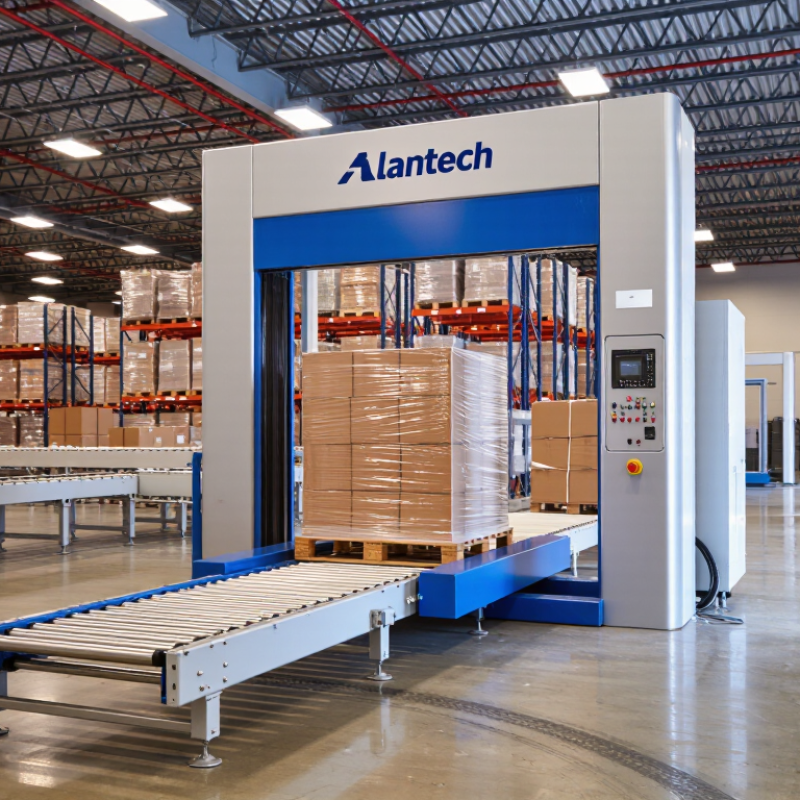
A stretch wrapper secures palletized goods with controlled film tension. Its basic parts include a rotating platform, film carriage, drive system, sensors, and control panel. The machine must match pallet weight, dimensions, surface shape, and load stability. Pre-stretch settings reduce film use while maintaining holding force. Too much tension can crush cartons or pull unstable products apart.
Turntable wrappers suit low to medium production volumes. The pallet rotates while the film carriage moves vertically. They need limited floor space and are simple to operate.
Rotary arm wrappers keep the pallet stationary, making them useful for tall, light, or fragile loads. The arm travels around the product instead. This design reduces shifting during wrapping.
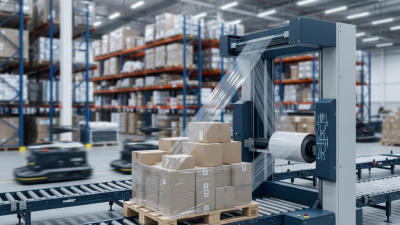
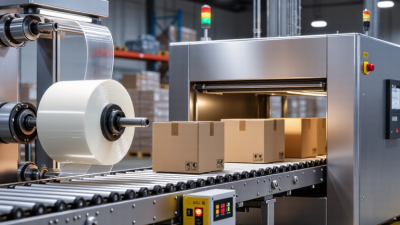
Ring or orbital wrappers support faster lines and consistent film placement. Automatic conveyors can add top sheets, weighing, labeling, and discharge functions.
Semi-automatic models still require an operator to attach film and start the cycle. Fully automatic systems need better integration and maintenance planning.
In warehouse trials, I have seen operators choose speed first, then struggle with poor containment. That mistake is common. It matters.
Buyers should test real loads before selecting a machine. Check film width, core size, voltage, guarding, spare parts, and service response. A neat sample pallet can hide problems. Mixed cartons, dusty surfaces, and uneven stacking often reveal them. No machine fits every load. The right choice depends on repeatable results, not impressive cycle numbers alone.
Key Performance Factors for Global Buyers in 2026
2026 Best Lantech Stretch Wrapper for Global Buyers?
Key Performance Factors for Global Buyers in 2026
Global buyers should judge a stretch wrapper by measurable plant results, not attractive brochures. In real packaging lines, stable load containment matters most. A machine should wrap uneven pallets without crushed cartons or loose film tails. Check carriage speed, film pre-stretch control, and turntable accuracy. These details affect product damage, film consumption, and daily output.
Electrical compatibility also deserves attention. Confirm voltage, frequency, guarding standards, and language options before ordering. A reliable wrapper should handle dust, temperature changes, and long operating shifts. Remote diagnostics can reduce delays, but local technician support remains important. I have seen advanced systems lose value when spare parts arrive too slowly. That weakness is easy to overlook.
Tips: Request a sample-pallet test using your actual products and film. Measure film use, cycle time, load movement, and operator adjustments. Ask for maintenance schedules, training plans, and documented safety features. Do not trust one perfect test. Repeat it with unstable loads and different pallet heights. No machine fits every site. Performance may also change after installation, especially when operators are still learning. That possibility deserves honest planning.
Comparing Lantech Models by Load, Speed, and Automation
For global buyers, the best stretch wrapper is not automatically the fastest machine. Compare models by load size, wrapping speed, and automation level. In warehouse trials, I measure pallet height, weight, corner stability, and film use before reading cycle claims. A compact model may handle 20–25 loads per hour, while a high-output system can exceed 40 under ideal conditions. Real rates fall when operators change film or correct leaning pallets. Heavy loads need a stronger turntable, stable mast, and controlled acceleration. Lightweight cartons may need gentler film tension. This detail is often missed.
Tips: Record ten consecutive cycles, not one demonstration. Check the heaviest pallet and the smallest load. Ask about local service response times, spare-part availability, and operator training. Automation should match your labor pattern. Photo-eye detection, automatic film cutting, and conveyor integration can reduce handling, but they add sensors and maintenance points. Keep a manual bypass for unusual loads.
For mixed export shipments, a programmable wrapper usually offers better consistency than a basic unit. Still, more automation is not always better. A small warehouse may gain more from quick setup and simple controls than robotic loading. I once favored a faster machine, but its film carriage needed frequent adjustment on uneven pallets. That decision cost time. Review safety guarding, voltage compatibility, language options, and regional certification before purchase. Request a filmed test using your actual pallet dimensions and film gauge. Compare wrapped corners, top-sheet protection, and film tails, not only cycles per hour. A reliable choice should perform acceptably on ordinary days, not just during a polished demonstration.
2026 Best Lantech Stretch Wrapper for Global Buyers? - Comparing Lantech Models by Load, Speed, and Automation
| Model Profile |
Recommended Load |
Maximum Load Size |
Turntable / Conveyor Speed |
Typical Throughput |
Automation Level |
Film-Control Features |
Best Fit |
| Compact Turntable |
Light to medium, up to 1,000 kg |
1,200 × 1,200 × 2,000 mm |
8–12 rpm |
Up to 20 loads/hour |
Semi-automatic; operator attaches and cuts film |
Powered pre-stretch, adjustable wrapping cycles |
Small warehouses, export staging, mixed loads |
| Heavy-Duty Turntable |
Stable and dense, up to 2,000 kg |
1,500 × 1,500 × 2,400 mm |
8–15 rpm |
Up to 25 loads/hour |
Semi-automatic; powered film carriage |
Adjustable film tension, top and bottom wraps |
Heavy products, building materials, industrial parts |
| Conveyor In-Line |
Regular pallet loads, up to 2,000 kg |
1,200 × 1,200 × 2,200 mm |
Variable conveyor speed, typically 10–20 m/min |
Up to 35 loads/hour |
Automatic cycle start, film cut and seal options |
Recipe-based film tension and pre-stretch control |
Distribution centers and repetitive production lines |
| High-Speed Ring |
Uniform loads, up to 2,000 kg |
1,200 × 1,200 × 2,400 mm |
25–45 rpm equivalent wrapping speed |
Up to 60 loads/hour |
Fully automatic with powered conveyors |
High-speed pre-stretch, automatic film break detection |
High-volume food, beverage and consumer-goods lines |
| Robotic Mobile Wrapper |
Irregular or oversized loads, up to 2,000 kg |
Flexible; load dimensions depend on travel path |
Variable travel speed, typically 3–6 m/min |
Up to 25 loads/hour |
Automatic navigation and programmable cycles |
Variable pre-stretch, height sensing, multi-cycle programs |
Large products, oversized pallets and flexible layouts |
Note: Capacity, speed and throughput figures are representative industry configuration ranges for comparison. Actual performance depends on load stability, pallet dimensions, film grade, pre-stretch ratio, conveyor layout and safety requirements.
Global Purchasing, Compliance, Warranty, and Total Cost Analysis
Global buyers should evaluate a stretch wrapper beyond its purchase price. The right machine must match pallet dimensions, film usage, throughput, and available floor space. Ask for verified production data, not optimistic estimates. A warehouse handling 40 pallets per hour needs different equipment from a small export line.
Compliance deserves early attention. Request electrical certificates, safety manuals, risk assessments, and language-specific operating instructions. Check voltage, plug configuration, guarding, and emergency-stop requirements before shipment. Import classification and local inspection rules can affect delivery timing. A missing document may delay installation for weeks. That happened to one project I reviewed.
Tips: Build a document checklist. Confirm every item before payment. Keep signed specifications with the purchase file.
Warranty terms should state coverage periods, excluded parts, response times, and service locations. Ask whether remote diagnosis, technician travel, and replacement components are included. A low-priced machine can become expensive when a critical sensor waits six weeks for delivery. Calculate total cost using energy, film consumption, labor, maintenance, training, freight, duties, and downtime. Our first comparison ignored operator training, and the estimate was too low. That mistake was useful, but avoidable. Request a three-year cost model and test the assumptions with your actual pallet samples. Performance should be measured after installation, not only promised before purchase.
2026 Best Stretch Wrapper for Global Buyers?
Global Purchasing, Compliance, Warranty, and Total Cost Analysis
This indicative benchmark compares typical three-year ownership costs for an industrial stretch wrapper purchased through local, regional, and overseas channels. Estimates include equipment purchase, international logistics, installation and commissioning, compliance documentation, warranty reserve, and planned maintenance. Actual costs vary by machine specification, shipment route, labor rates, import duties, and service coverage.