What is a Box Erector Machine and How Does it Work?
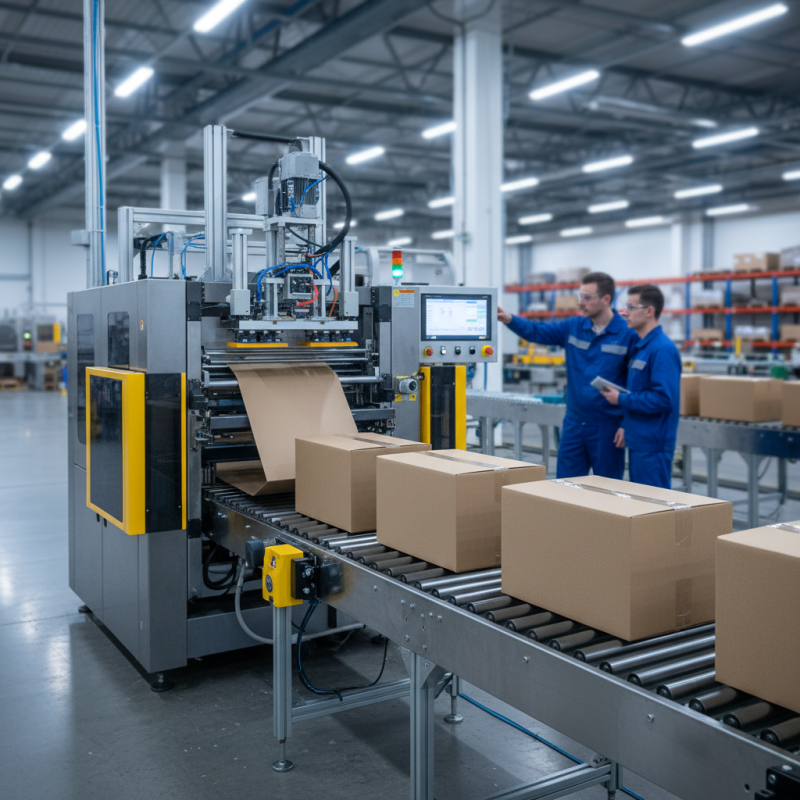
A box erector machine is essential in modern packaging lines. It automates the process of forming cardboard boxes from flat sheets. This efficiency saves time, reduces labor costs, and minimizes errors during packaging.
In a fast-paced production environment, the box erector machine plays a crucial role. Workers can focus on other tasks while the machine handles the repetitive job of box assembly. This not only increases productivity but also improves safety on the floor.
However, implementing a box erector machine is not without challenges. Maintenance can be complicated, and training staff requires time and effort. Reflection on how to best integrate this technology is necessary for optimal results. Overall, the benefits of a box erector machine often outweigh its drawbacks, making it a valuable asset in packaging operations.
What is a Box Erector Machine?
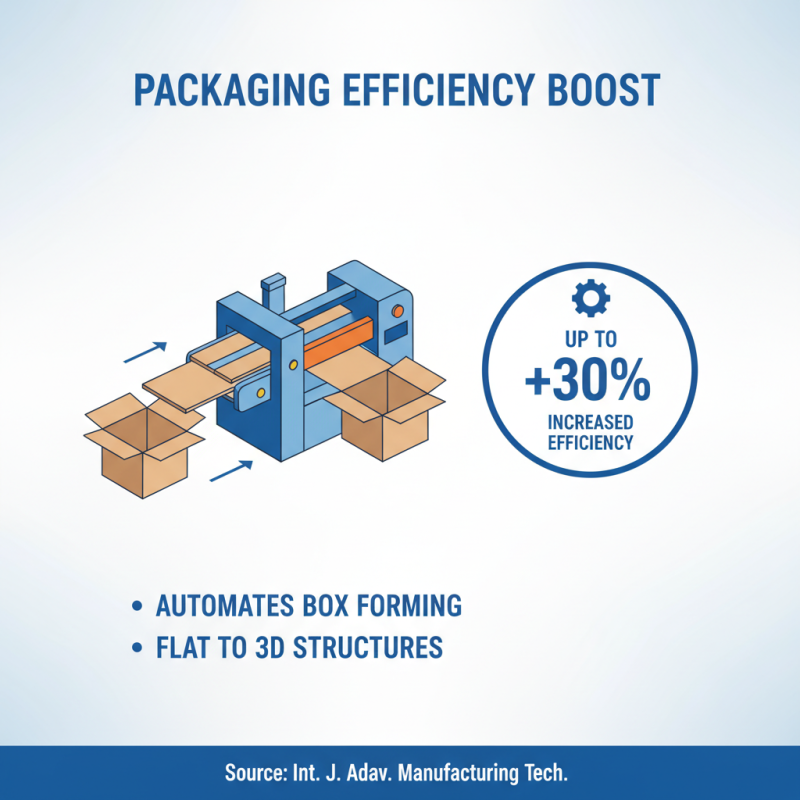
A box erector machine is essential in packaging operations. This machine automates the process of forming flat boxes into three-dimensional structures. According to a report by the International Journal of Advanced Manufacturing Technology, the use of box erectors can increase packaging efficiency by up to 30%.
Typically made of stainless steel, box erectors are designed for durability. They can handle various sizes and types of boxes, reducing manual labor. Workers no longer have to grapple with tape or box assembly. However, issues can arise, such as machine jams or misalignment of boxes. It’s crucial for operators to quickly identify problems to avoid downtime.
In the manufacturing landscape, over 60% of companies report a need for automation. A box erector can fulfill that demand while ensuring consistency. Integrating these machines may require some initial investment. The goal should be to streamline production and improve overall output. But firms must weigh the costs against potential gains. This ongoing introspection can lead to more informed manufacturing choices.
Key Components of a Box Erector Machine
A box erector machine is essential in many packaging operations. It streamlines the process of forming boxes from flat sheets. This machine is vital for companies aiming for high efficiency in production. According to market research, global demand for packaging machinery is projected to grow by 4.6% annually.
Key components of a box erector machine include the feeder, forming mechanism, and adhesive application system. The feeder handles the flat paperboard sheets. It ensures a steady flow into the forming section. The forming mechanism folds and shapes the sheets into boxes. This part requires precise engineering to handle various box sizes effectively. Misalignment issues often arise, which can slow production.
The adhesive application system seals the boxes. These systems can be tape-based or glue-based. Choosing the right adhesive is crucial and can impact the integrity of the boxes. According to the Packaging Machinery Manufacturers Institute, effective adhesive application can improve box strength by up to 25%. Proper maintenance of these components is necessary. Neglecting them leads to frequent breakdowns and increased costs. Automation is great, but human oversight is vital for optimal performance.
The Working Mechanism of a Box Erector Machine
A box erector machine is a vital tool in packaging operations. It automates the process of forming empty boxes from flat sheets. This saves time and labor, making production more efficient. The mechanism involves feeding flat cardboard sheets into the machine. These sheets are then precisely folded and glued or taped into shape.
The working mechanism consists of several key components. First, a feeder holds the flat sheets. As a sheet is pulled into the machine, it encounters a series of forming plates. These plates fold the sheet accurately into a box shape. Next, the box is sealed at the edges using adhesive or tape. This can be tricky; alignment must be perfect for the process to work smoothly.
However, issues can arise. If the sheets are not fed correctly, jams can occur. Inconsistent cutting can lead to boxes of varying sizes. Operators need to monitor the machine closely. Regular maintenance is essential to avoid breakdowns. These factors highlight the importance of human oversight in automated processes.
Applications of Box Erector Machines in Industries
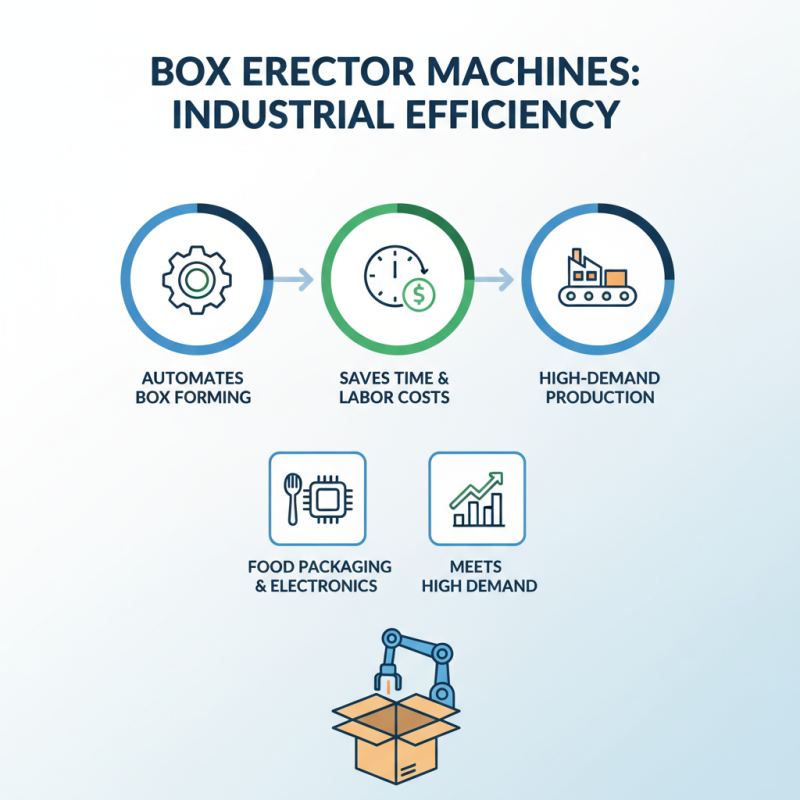
Box erector machines play a significant role in various industries. These machines automate the process of forming cardboard boxes from flat sheets. They save time and reduce labor costs, which is crucial in fast-paced environments. Many industries, such as food packaging and electronics, rely on these machines for efficiency. The ability to produce boxes quickly helps in meeting high demand.
In the automotive industry, box erecting machines streamline the packaging of parts. This automation ensures consistency and reduces the chances of errors. However, not all machines fit every need. Choosing the right machine requires careful consideration of box sizes and production speed. Sometimes, companies may invest in equipment that does not fully meet their requirements.
In the e-commerce sector, speed is vital. Here, box erectors help manage the surge in order fulfillment. They enable businesses to respond quickly to customer demands. Yet, integrating these machines can be complex. Poor training may lead to underutilization, impacting overall productivity. Therefore, understanding both the advantages and limitations is key for effective implementation.
Advantages of Using Box Erector Machines in Packaging
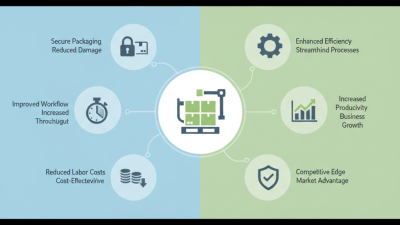
Box erector machines offer significant advantages in packaging operations. They automate the process of forming boxes, which boosts production efficiency. According to industry reports, businesses can see packaging rates increase by up to 300 boxes per hour. This automation minimizes labor costs and reduces the likelihood of manual errors, leading to a smoother workflow.
Efficiency isn't the only benefit. Using box erector machines can enhance precision in box formation. This aspect helps in maintaining consistency. Accurate dimensions ensure that products fit securely, reducing damage during transit. Statistics suggest that around 25% of packaging damages occur due to poorly formed boxes. Therefore, investing in a box erector machine could lower spoilage rates and improve overall product integrity.
However, some challenges exist. Initial investment costs for these machines can be high. Companies may hesitate to adopt new technology without clear ROI insights. Training staff to operate new equipment can also add complexity. Organizations must weigh these factors carefully against potential long-term gains in efficiency and cost savings.