How to Use Stretch Film for Effective Packaging and Protection?
In the packaging industry, the effective use of stretch film can significantly enhance product protection and reduce damage during transportation. A report by the Packaging Industry Association highlights that well-applied stretch film can reduce shipping costs by up to 30%. Stretch film is crucial for securing various products, from fragile items to heavy machinery. It brings efficiency and adaptability to packaging processes.
Expert David Monroe, a leading analyst in the stretch film market, states, "Proper usage of stretch film can revolutionize your packaging approach." His insights reflect a growing trend among businesses that prioritize quality packaging solutions. However, many companies overlook the importance of training staff on applying stretch film correctly. Improper techniques can lead to excess film usage and increased costs.
Additionally, while stretch film shows great promise, it's essential to reconsider the environmental impact of its disposal. More companies are seeking sustainable alternatives. Balancing effective protection with eco-friendly practices demands careful thought and innovative solutions in the stretch film industry.
Understanding Stretch Film and Its Types
Stretch film is a versatile packaging material widely used to secure and protect various items. Its elasticity allows it to cling tightly, providing a strong protective layer. Understanding the different types of stretch film can enhance your packaging efficiency.
There are two main types: manual and machine stretch film. Manual film is typically used for smaller, less automated operations. It requires a handheld dispenser for application. Machine stretch film, on the other hand, is made for high-volume packaging processes. It can be applied using automated machines, offering consistency and speed.
Tips for using stretch film effectively include ensuring proper tension during application. Too loose, and your items may shift. Too tight, and the film may break. Additionally, consider the thickness of the film based on your products. Thicker films offer more protection but can be harder to handle. For increased stability, overlap layers as you wrap items. This creates a more robust structure.
Experiment with the types and techniques you employ. Analyzing the performance in real situations helps in perfecting your approach. Reflect on what works best and what doesn't. Always seek improvements, as the right choice can save costs and enhance protection.
How to Use Stretch Film for Effective Packaging and Protection?
| Type of Stretch Film |
Thickness (Microns) |
Stretch Ratio |
Applications |
Benefits |
| Cling Film |
15-20 |
100-150% |
Wrapping food items, pallet protection |
Excellent cling, economical |
| Machine Stretch Film |
15-30 |
250-400% |
High-volume production, automatic wrapping |
Efficiency, consistent tension |
| Hand Stretch Film |
17-35 |
150-300% |
Small to medium packaging, manual wrapping |
User-friendly, versatile |
| Blown Stretch Film |
20-50 |
100-300% |
Heavy items, irregular shapes |
Excellent strength, puncture resistance |
| Cast Stretch Film |
10-30 |
150-400% |
Light to medium items, palletization |
Clarity, stretchability |
Choosing the Right Stretch Film for Your Packaging Needs
When choosing the right stretch film for your packaging needs, consider several factors. The thickness of the film is critical. Thicker films offer more protection but may be harder to handle. Lightweight films can reduce shipping costs but may not provide the same level of security. It's important to find a balance that works for your specific items.
Width is another key factor. A wider film can cover more surface area, speeding up the wrapping process. However, it may be challenging to manage for smaller packages. You may find yourself struggling to control the film. The type of stretch film also matters. Pre-stretched films provide excellent tension without using more force, but they may not work for heavier loads. Testing different options can reveal what best suits your packaging operations.
Consider the environmental impact of your choice. Some films are recyclable, while others contribute to waste. Opting for greener options can enhance your company's image. Yet, finding the right eco-friendly film might require additional research. Packaging can be an area for improvement, and reflecting on your choices is essential. Make sure to keep track of what works and what doesn’t.
Step-by-Step Guide to Properly Applying Stretch Film
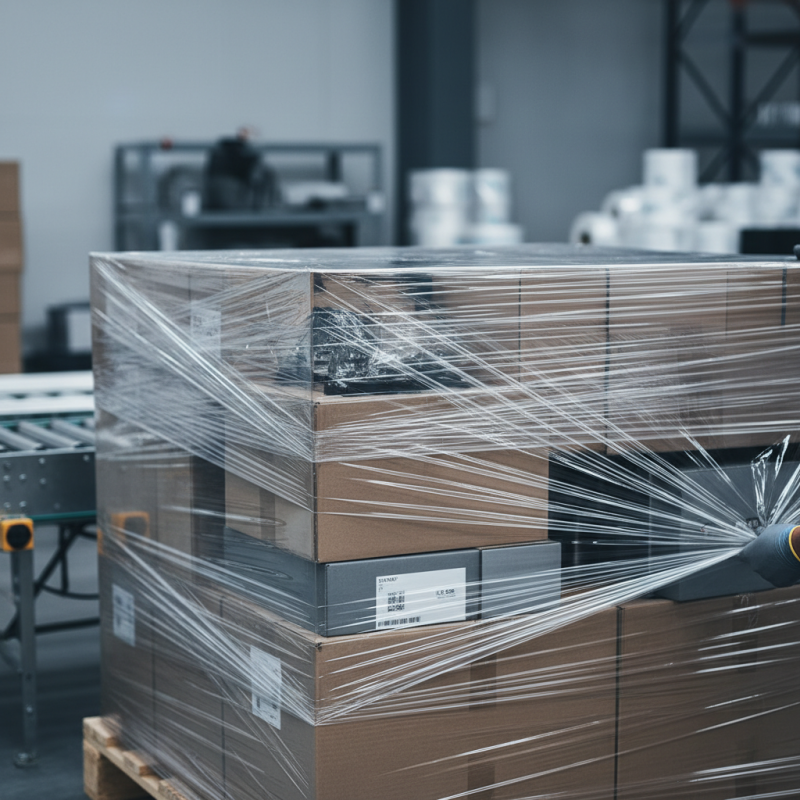
When applying stretch film, proper technique is crucial for effective packaging. Begin by preparing your items. Clean the surfaces to remove any dust or debris. This ensures better adhesion of the film. Studies show that using stretch film can reduce damage during transit by up to 70%. Wrapped items stay safe and protected.
Next, hold the stretch film roll securely. Start at the base of your package. Unwind the film and wrap it tightly around the item. Overlap each layer to ensure full coverage. Try to keep the film taut without overstretching. Excessive stretching may cause tearing. Industry reports suggest that improperly applied stretch film can result in up to 30% more product damage.
Be mindful of the film’s edges. They can snag or tear easily. Pay attention to any loose areas as you wrap. These can lead to inadequate protection. Gaps may expose the contents to potential hazards. Lastly, fasten the film securely at the end. Use tape if necessary. Remember, mastering the wrapping technique takes practice, and refining your method can enhance protection significantly.
Best Practices for Storing and Handling Stretch Film
When handling stretch film, proper storage is crucial. Keep the rolls in a cool, dry place to prevent them from melting or losing elasticity. Avoid exposing the film to direct sunlight for extended periods. This can weaken the material. Store rolls upright, as laying them flat can cause deformation over time.
Handling stretch film requires technique. When stretching the film, maintain a steady tension. Too much stretch can lead to tears, while too little can cause inadequate wrapping. Watch out for common mistakes, like using the wrong thickness for certain products. It may feel like a minor error, but it can compromise the load's safety during transport.
Regularly check the rolls before using them. Look for any signs of damage, such as pre-existing tears. Damaged film can lead to frustration and losses. Practicing these best methods can lead to more effective packaging. Remember, reflection on these practices can help ensure better results each time.
Effectiveness of Stretch Film in Packaging
Common Mistakes to Avoid When Using Stretch Film
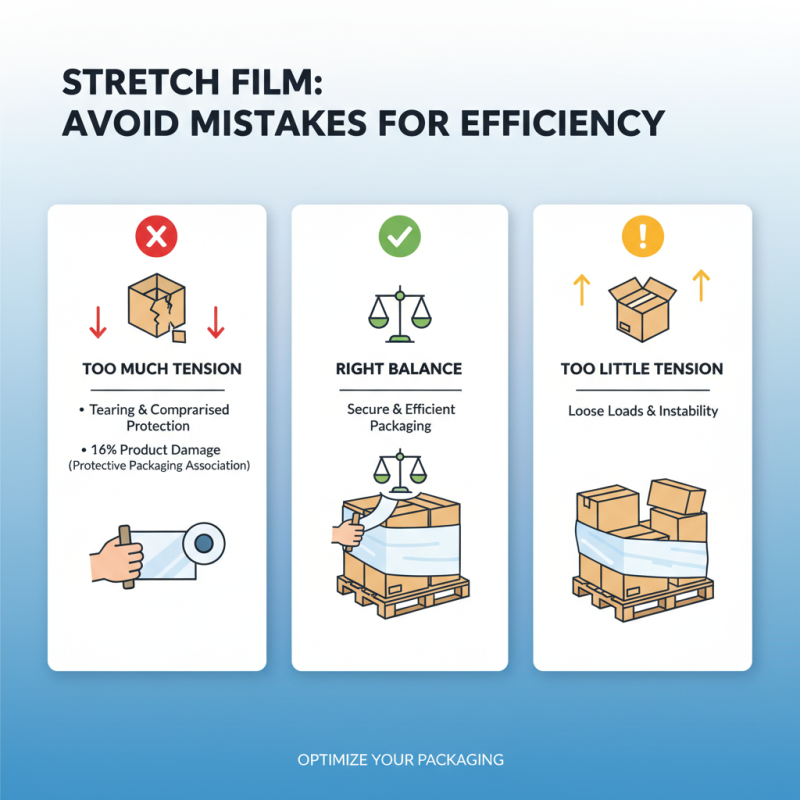
When using stretch film, avoiding common mistakes can significantly enhance packaging efficiency. Many users apply too much tension. This can lead to tearing, which compromises protection. According to a report by the Protective Packaging Association, improper tension settings can lead to product damage in 16% of cases. It's crucial to find the right balance for effective packaging.
Another frequent mistake is inadequate film overlap. A proper overlap, typically 50% or more, helps in securing items tightly. Less overlap can result in shifting loads. In a recent survey, 25% of respondents identified inadequate overlap as a major issue. This emphasizes the need to give careful attention to how the film wraps around products.
Moreover, not using the correct gauge of film is a common oversight. Films that are too thin may not provide adequate protection against external elements. A study from the Flexible Packaging Association highlighted that using the wrong gauge could increase spoilage by 30%. Observing these pitfalls can help improve your packaging process and product safety.