How to Use a Vacuum Bowl Cutter for Perfect Food Prep?
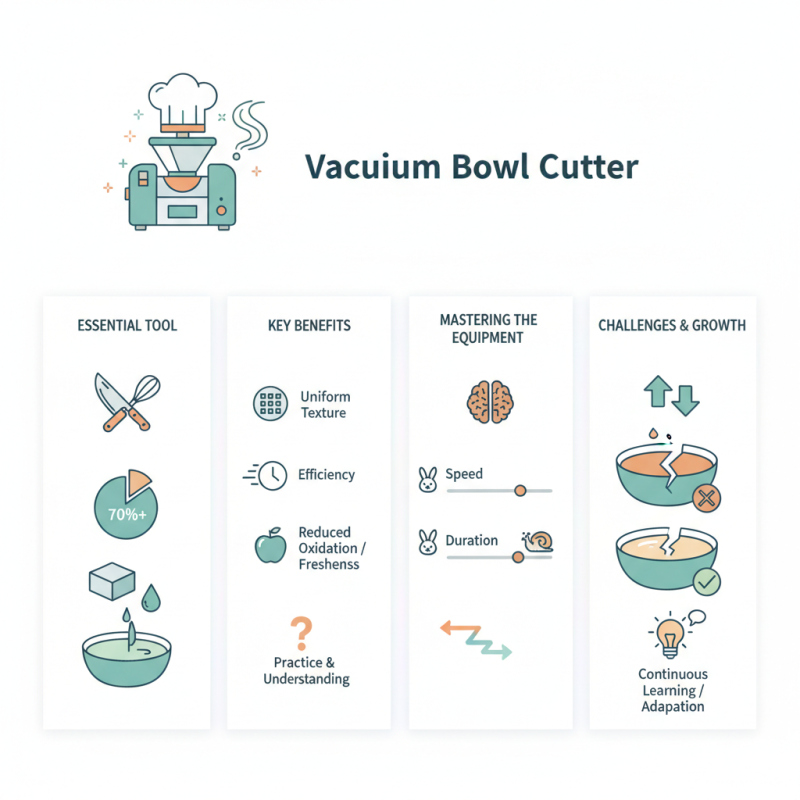
The vacuum bowl cutter is an essential tool in modern food preparation. According to industry reports, over 70% of culinary professionals utilize advanced cutting equipment to enhance efficiency. This tool, designed to process both solid and liquid ingredients, ensures uniformity and precision in food textures. Moreover, it minimizes oxidation, which is crucial for maintaining the freshness of food.
However, many users overlook the importance of mastering this equipment. Achieving perfect results requires practice and an understanding of the vacuum bowl cutter's functions. For instance, adjusting the speed and duration can dramatically alter the final product. A common pitfall is rushing through the preparation process, leading to inconsistent blends or uneven textures.
Culinary teams often report that despite the vacuum bowl cutter's advanced technology, mistakes still occur. Not every batch comes out perfect. This serves as a reminder that continuous learning and adaptation are key to leveraging this tool effectively. Embracing both the potential and the challenges of a vacuum bowl cutter can elevate food preparation to new heights.
Understanding the Vacuum Bowl Cutter: Principles and Mechanisms
The vacuum bowl cutter operates on a simple yet effective principle. It combines a vacuum system with sharp blades to prepare food efficiently. By removing air, it reduces oxidation and preserves flavor and texture. This mechanism allows ingredients to be mixed evenly while preventing undesired temperatures. When using it, food remains fresh and vibrant for longer periods.
Understanding how to operate this tool can be tricky. Users often face challenges with the vacuum settings. Too much pressure can lead to mushy results, altering the intended texture of ingredients. It's crucial to find a balance between the vacuum power and the type of food being processed. Observation during the cutting process can guide adjustments.
Each session may not yield perfect results. Some batches may turn out too fine or inconsistent. Reflecting on these outcomes is key to mastering the tool. Experimenting with different speeds and times can lead to better techniques. Adjusting expectations based on these reflections is part of the learning journey.
Key Benefits of Vacuum Bowl Cutters in Food Preparation
Vacuum bowl cutters offer several key benefits in food preparation. They create consistent slices and maintain freshness. The vacuum feature eliminates air, reducing oxidation. This helps preserve flavors and nutrients. When using a vacuum bowl cutter, ingredients retain their vibrant colors and textures.
Tips: Always cut ingredients into smaller pieces. This ensures even cutting. Experiment with different speeds and times. Sometimes, slower settings yield better results. Don't rush the process. It’s essential to find the right balance.
The ease of cleaning is another advantage. Most components are removable and dishwasher-safe. However, sometimes food particles get stuck. A thorough manual clean can be necessary. Regular maintenance prolongs the cutter's life. Pay attention to wear and tear. It’s easy to overlook small issues until they become bigger problems.
How to Use a Vacuum Bowl Cutter for Perfect Food Prep? - Key Benefits of Vacuum Bowl Cutters in Food Preparation
| Feature | Description | Benefits |
| Vacuum Sealing | Removes air during chopping to minimize oxidation. | Keeps ingredient freshness and color intact. |
| Precise Cutting | Ensures uniform cuts without bruising ingredients. | Improves presentation and cooking consistency. |
| Time Efficiency | Cuts prep time significantly compared to manual methods. | Allows for faster meal preparation and service. |
| Versatility | Can be used for various ingredients including meat, vegetables, and herbs. | Great for diverse cuisines and recipes. |
| Safety Features | Designed to minimize risk of injury with enclosed mechanisms. | Enhances chef safety in busy kitchens. |
Step-by-Step Guide to Using a Vacuum Bowl Cutter Effectively
A vacuum bowl cutter is a valuable tool for food preparation. It provides a consistent chop, ensuring even distribution of ingredients. To get the most out of your vacuum bowl cutter, follow these steps.
Start by gathering all your ingredients. Place them in the bowl, ensuring they are not overpacked. Overcrowding can lead to uneven chopping, which is not ideal. Ensure that the lid is sealed tightly before activating the machine. This prevents any mess and allows for better vacuum suction.
Tips: Keep an eye on the consistency. It's easy to get carried away and over-process the ingredients. If you're not careful, you may end up with a puree instead of a fine chop.
Once you’re happy with the texture, stop the cutter. Open the lid slowly to release the vacuum. This helps preserve the freshness of your ingredients. Consider using the vacuum bowl cutter for meats, vegetables, or even nuts. This versatility can elevate your dishes significantly.
Tips: Clean your vacuum cutter immediately after use. Residue can harden and create a bigger mess later. Also, don’t forget to check the vacuum seals regularly. A faulty seal can diminish the tool's effectiveness and lead to unsatisfactory results.
Safety Measures and Best Practices for Vacuum Bowl Cutting
When using a vacuum bowl cutter, safety should always be a priority. Ensure your work area is clean and organized. Clear any clutter that might cause distractions. Keep children and pets away while you work. Always wear protective gear, like gloves and goggles, to prevent accidents. A slight mishap can lead to injuries.
Tips: Check the machine before use. Look for any loose parts or sharp edges. These can be hazardous. Always keep your hands dry to maintain a firm grip on the food and equipment. If a piece gets stuck, turn off the machine before trying to remove it. This will help avoid unexpected injuries.
Experience plays a role in mastering the cutter. Some users find it tricky to achieve an even cut initially. Practice helps develop a steady hand. It’s essential to be patient and learn from mistakes. Don't rush the process. Adjust the speed settings based on the ingredients. Some foods require a gentler touch, while others can handle more power.
Cleaning and Maintenance Tips for Longevity of Vacuum Bowl Cutters
Maintaining a vacuum bowl cutter is essential for its performance and durability. Over time, buildup can occur. This includes remnants of food particles and grease. Regularly cleaning your cutter can prevent these issues. It may be challenging to reach some areas, but it's crucial. After each use, take the time to disassemble and clean the bowl and blades. A simple brush can remove stuck debris effectively.
Ensure you are using the right cleaning solutions. Harsh chemicals can damage the interior surface. Instead, opt for mild, food-safe cleaners. Wipe down all surfaces after cleaning. Be thorough but gentle to avoid scratches. After washing, let components air dry completely. Drying is vital. Any moisture left can lead to rust.
Regular maintenance checks are also important. Inspect the blades for sharpness. Dull blades can affect food quality. If you notice visible wear, it's time to replace them. Additionally, check seals and gaskets for wear. They should fit snugly to maintain vacuum levels. These steps can greatly enhance the longevity of your vacuum bowl cutter.
Maintenance Tips for Vacuum Bowl Cutters