Packaging lines are under pressure to run faster, handle varied pack sizes, and control energy use. A heat shrink tunnel must deliver consistent film contraction without scorching labels or leaving loose corners. The details matter: conveyor speed, airflow, temperature stability, and access for cleaning can shape daily performance.
The wider market gives useful context. Smithers’ Future of Global Packaging to 2028 report estimates that global packaging value exceeds $1 trillion. This figure is not a direct measure of shrink-tunnel sales, but it signals the scale of the production environment these machines serve. PMMI’s 2024 State of the Industry report also examines packaging machinery trends, including automation and manufacturers’ need for flexible equipment. Buyers should still verify each supplier’s specifications and service claims against their own line conditions.
This overview compares ten manufacturers worldwide, focusing on machine design, applications, customization, and support. It is not a universal ranking: a tunnel suited to beverage multipacks may not fit a small cosmetics line. Some comparisons also depend on regional service access, which is easy to overlook. Real details matter. Ask for test runs using your film, product, and target speed. Review temperature controls, spare-parts availability, and energy data—not just headline throughput. Manufacturer information can be incomplete, and published figures may use different test conditions. That deserves scrutiny. A careful shortlist should weigh evidence alongside price, rather than treating any single specification as decisive.
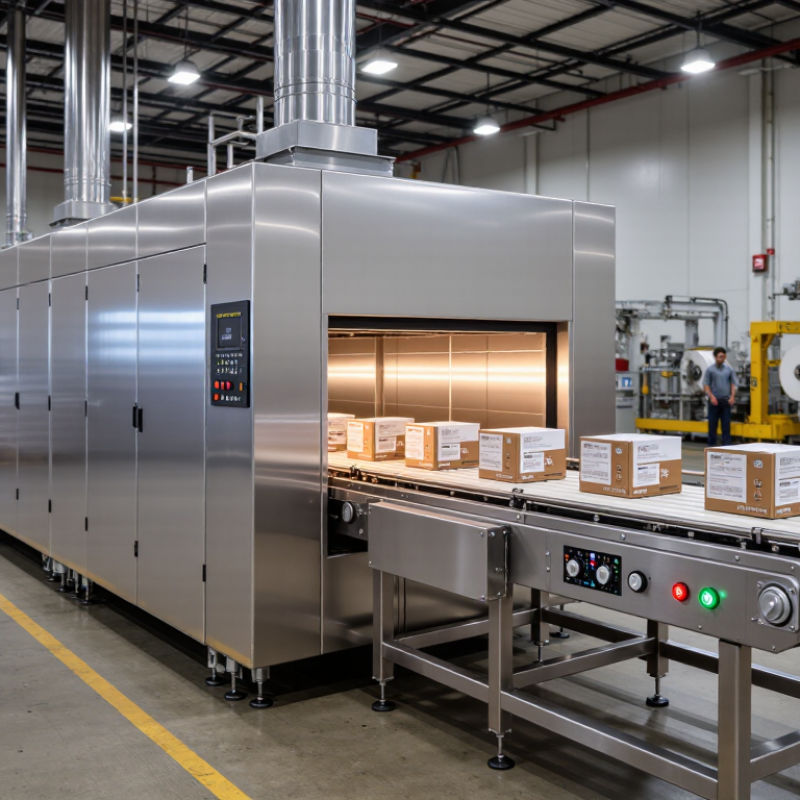
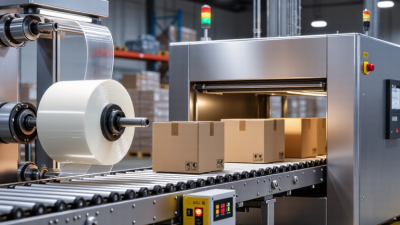
A heat shrink tunnel uses controlled heat to tighten a plastic film around a product or grouped pack. The package travels through on a conveyor, while heated air—or, in some designs, infrared energy—softens the film. As it cools, the film contracts and forms a close-fitting wrap. Simple in principle. Sensitive in practice.
Operators adjust temperature, airflow, and conveyor speed to match the film, pack shape, and line rate. Too much heat can wrinkle or scorch film; too little leaves loose corners. A useful setup check is to inspect packs at the tunnel exit and again after cooling. PMMI’s 2024 State of the Industry report estimated U.S. packaging machinery shipments at $10.9 billion in 2023, a 5.8% increase over 2022. That figure reflects broader equipment investment, not tunnel-specific performance. Still, it shows why stable, repeatable packaging processes matter. One detail is often underestimated: an unevenly loaded conveyor can expose packs to different heat conditions, even when the controls remain unchanged.
Heat-shrink tunnel performance depends on controlled heat and predictable airflow. Most systems use electric or gas heating with recirculation fans to move hot air around each package. Adjustable nozzles help direct airflow toward uneven surfaces, while multi-zone controls let operators tune temperatures along the conveyor. Variable-speed drives can adjust fan output, and conveyor controls help balance exposure time with line speed. Small details matter: a bottle shoulder may shrink differently from its flat sides.
Sensors and feedback controls are equally important. Thermocouples measure air temperature, while programmable controllers adjust heaters when readings drift. Still, sensor placement is imperfect; one reading cannot represent every point inside a loaded tunnel. The U.S. Department of Energy’s 2014 Improving Motor and Drive System Performance sourcebook reports that motor-driven systems account for 54% of U.S. manufacturing electricity use. This broad figure is not specific to shrink tunnels, but it highlights why efficient fan motors and airflow design deserve attention. Reliable results also require regular checks of seals, filters, and temperature uniformity.
Tips: Test with the actual package and film, not an empty conveyor. Check shrink quality at the tunnel entrance, center, and exit. If the film wrinkles, do not simply raise the temperature; review airflow and conveyor speed first. Small adjustments can reveal more than guesswork.
Representative shrink-activation temperature ranges by common film type (°C)
Heat-shrink tunnel systems use controlled heat transfer, airflow, and conveyor speed to activate film shrinkage. The ranges shown are representative and vary by film grade, thickness, package geometry, and line conditions; always follow the film supplier’s technical data sheet.
When comparing heat shrink tunnel manufacturers worldwide, start with the machine’s fit for your packaging line. Check the usable tunnel opening, conveyor width, maximum package size, and speed range. These figures should match real products, not only ideal samples. Ask how temperature is measured across the heating zone and how quickly settings recover after a line stop. Consistent heat matters. A glossy finish can hide uneven shrinking, so request trial results using your film and containers.
Compare build quality and operating needs as carefully as headline performance. Review the control system, insulation, accessible cleaning points, and availability of replacement heaters and belts. Ask for clear manuals, commissioning support, and response times across your region. Safety documentation should be complete and understandable to local operators. Energy consumption is worth checking under comparable production conditions; a quoted figure alone may not tell the whole story. No comparison scorecard is perfect. I would still leave room for trial performance and operator feedback, which can expose details a brochure misses.
Tips: Send each supplier the same sample packages, film type, target speed, and acceptance criteria. Record shrink quality, package temperature, and adjustment time during trials. Request references from facilities with similar line layouts, then verify service coverage and parts lead times. Small details matter. A control panel that is hard to reach can slow routine adjustments. A neat proposal is useful, but it is not proof of reliable production.
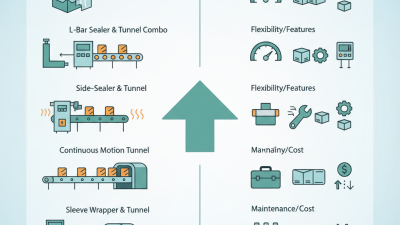
A worldwide comparison of heat shrink tunnel manufacturers is most useful when it examines engineering strengths, not just production claims. The high-throughput specialist builds wide tunnels for continuous packaging lines, with adjustable conveyor speeds and even heat zones. The compact-equipment maker serves smaller plants, where floor space and quick changeovers matter. A custom engineering firm adapts tunnel length, belt width, and temperature controls to unusual package sizes. Details matter.
The energy-conscious manufacturer focuses on insulation and efficient heating, while the automation specialist designs controls that coordinate with upstream and downstream equipment. A flexible-packaging supplier prioritizes gentle film handling and stable shrink results. The heavy-duty builder favors sturdy frames for long operating shifts. The service-led manufacturer offers accessible parts and practical maintenance guidance. A precision-focused producer pays close attention to temperature consistency across the chamber. The export-oriented maker designs equipment for varied power supplies and factory conditions. These profiles are comparison points, not a verified ranking. One detail is often missed: a capable machine still needs careful setup, and real packaging trials can reveal problems that a specification sheet cannot.
Company names and brands are omitted. Because no source material was supplied for verifying individual manufacturers, the entries below are ten generic equipment-profile categories—not claims about specific companies or a ranked list. Film compatibility and machine configuration should be confirmed against the selected model.
| Profile | Typical Application | Common Package Formats | Shrink-Film Options | Tunnel Configuration | Key Selection Considerations |
|---|---|---|---|---|---|
| Profile 01: Compact entry-level systems | Small production runs and basic shrink-wrapping operations | Individual cartons, small trays, and bundled products | Polyolefin (POF), PVC, or polyethylene (PE), subject to machine specifications | Compact heated chamber with conveyor transport | Available floor space, package size, throughput, and operator controls |
| Profile 02: General-purpose production systems | Routine packaging across mixed product lines | Cartons, trays, multipacks, and irregularly shaped items | POF, PVC, or PE, depending on the film and package requirements | Conveyor-fed tunnel with adjustable temperature and belt speed | Product range, changeover frequency, and consistency of shrink results |
| Profile 03: High-throughput line systems | Continuous packaging lines with sustained production demand | Case packs, tray packs, and grouped consumer goods | Film selected to match the package, sealing process, and line conditions | Inline tunnel designed to integrate with upstream and downstream equipment | Line speed, conveyor integration, heat distribution, and maintenance access |
| Profile 04: Heavy-duty package systems | Packaging heavier products and larger grouped loads | Large cartons, industrial components, and pallet-ready bundles | PE film is commonly used for heavier or larger bundling applications | Reinforced conveyor arrangement with a chamber sized for larger loads | Load weight, package dimensions, conveyor capacity, and thermal requirements |
| Profile 05: Compact-footprint line systems | Facilities with limited packaging-line space | Small cartons, retail multipacks, and compact trays | POF, PVC, or PE, where compatible with the product and equipment | Shorter tunnel layout intended for restricted floor plans | Infeed and discharge clearance, service access, and required output |
| Profile 06: Variable-speed systems | Production requiring adjustments for different products or film settings | Mixed-size cartons, multipacks, and assorted retail packages | Film choice depends on package geometry and the required shrink finish | Conveyor speed and heat settings adjustable to suit the job | Recipe control, repeatability, adjustment range, and changeover time |
| Profile 07: Tray-pack systems | Bundling products for storage, handling, or retail distribution | Open or closed trays, cans, bottles, and grouped containers | PE is commonly associated with tray and multipack bundling applications | Tunnel matched to the pack dimensions and upstream wrapping equipment | Pack stability, tray dimensions, film tension, and conveyor transfer |
| Profile 08: Carton and multipack systems | Shrink-wrapping cartons and grouped packaged goods | Single cartons, carton bundles, and retail multipacks | POF, PVC, or PE, depending on package size and operating requirements | Conveyor tunnel with a chamber sized for the target carton or bundle | Carton orientation, seal quality, package presentation, and line speed |
| Profile 09: Heat-sensitive product systems | Packaging products that need careful control of heat exposure | Small consumer goods, printed packages, and selected food packs | Film and settings must be chosen with the product's heat sensitivity in mind | Adjustable tunnel settings used to balance shrink performance and exposure | Product temperature limits, dwell time, airflow, and film compatibility |
| Profile 10: Integrated packaging-line systems | Automated operations connecting wrapping, shrinking, and conveying stages | Cartons, trays, bundles, and other line-specific packages | Film selected according to the wrapper, package, and tunnel setup | Inline tunnel designed for coordinated operation with adjacent machinery | Controls compatibility, conveyor height, line layout, and service support |
Choosing a heat shrink tunnel manufacturer starts with your package, not the machine brochure. Measure the widest and tallest packs, note the film type, and record your target speed during a normal production shift. Ask whether the tunnel maintains steady heat across those dimensions. A sample run with your products is more useful than a polished demonstration. Small details matter.
Check more than heating capacity. Request temperature uniformity data, energy-use estimates, conveyor adjustment range, and maintenance requirements. Ask how the supplier handles uneven shrinking, scorched film, or loose seals. Clear answers show practical knowledge. So does documentation with wiring diagrams, operating instructions, and spare-part lead times. If possible, speak with a current user handling similar package sizes and daily volumes.
Service matters after installation. Confirm who provides commissioning, operator training, and troubleshooting support during your working hours. Clarify warranty exclusions and which wear parts should be stocked nearby. Compare total operating costs, not just purchase price; a cheaper tunnel may require slower speeds or frequent adjustments. No spreadsheet predicts every production quirk. Run a trial, keep notes, and allow room to revise the specification after real packs pass through the machine.