Top 10 Foil Container Options for Global Buyers?
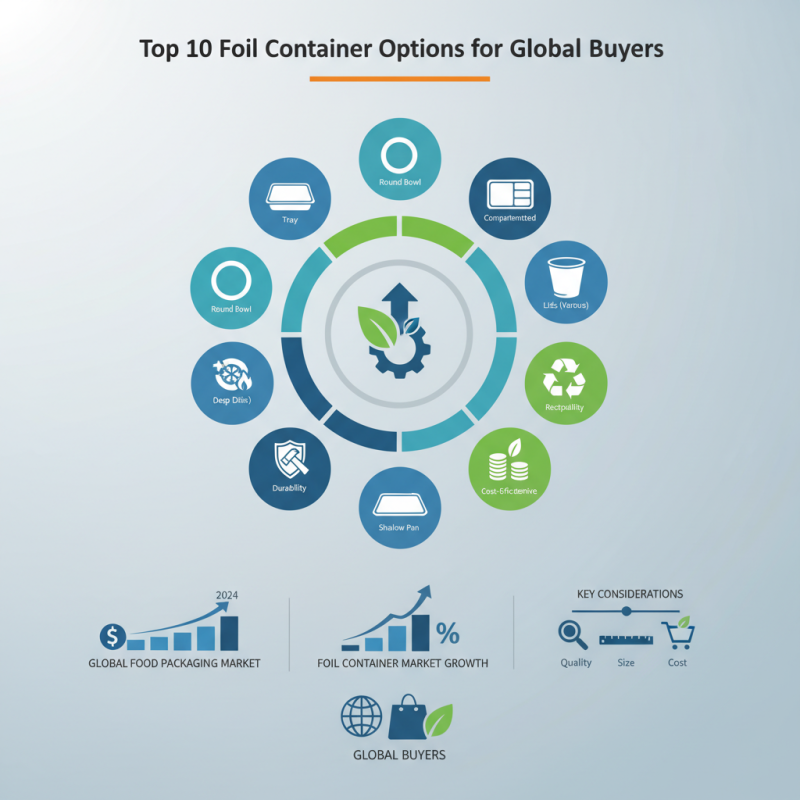
The global demand for packaging solutions continues to rise, with Foil Containers becoming increasingly popular. According to a report by Smithers Pira, the global food packaging market is projected to reach $480 billion by 2024. This growth highlights the essential role of packaging in enhancing food preservation and convenience. Foil containers, in particular, offer durability and excellent heat retention.
The versatility of foil containers appeals to various sectors, including food service, retail, and catering. A study from MarketsandMarkets indicates that the market for foil containers is expected to grow at a CAGR of 4.8% between 2021 and 2026. However, despite their advantages, many buyers often overlook potential environmental impacts. The balance between usability and sustainability remains a critical consideration.
When exploring the top foil container options for global buyers, it's essential to assess quality, size, and cost. Not all foil containers are created equal. Some may not provide the same level of insulation or durability. Buyers must be informed and cautious when selecting their products. Only through careful consideration can they meet their specific needs while also addressing environmental concerns.
Top Foil Container Materials and Their Benefits for Buyers
When considering foil container options, material choice significantly impacts functionality. Aluminum is the leading material due to its lightweight nature and excellent heat conductivity. According to industry reports, over 75% of buyers prefer aluminum containers for their durability and recyclability. This makes aluminum an eco-friendly choice in food packaging, meeting sustainability goals.
Another popular option is recyclable cardboard with a foil lining. This combination offers insulation and strength. It is often selected for its biodegradable properties. Reports indicate that buyers are increasingly aware of environmental concerns, with a 30% increase in demand for eco-friendly packaging over the last five years. However, cardboard-lined containers may not withstand high temperatures as effectively as pure aluminum, presenting a drawback.
Stainless steel is another option for buyers seeking reusability and longevity. While it offers significant benefits, such as resistance to corrosion and longevity, it may be heavier and more expensive. The switch to stainless steel is gaining traction, but still accounts for only about 5% of the market. Evaluating these materials is crucial, as each serves different needs and reflects ongoing shifts in consumer preferences.
Key Features to Consider When Choosing Foil Containers
When selecting foil containers, buyers need to consider several key features. First, the size and shape of the container matter. Options range from small trays for individual servings to larger pans for family meals. Think about the intended use. Are these for baking, storage, or takeout? Each purpose might require different dimensions and designs.
Durability is another vital consideration. Foil containers should withstand high temperatures without losing their shape. Recyclability is also a growing concern. Look for options made from recyclable materials to minimize environmental impact. Check if the containers can be used in a microwave or oven. Not all foil products are created equal in this respect.
Lastly, it helps to examine the thickness of the foil. Thicker containers often provide better insulation and strength. However, they might be less flexible, which could limit their usability. Assessing these factors can help buyers make informed decisions. Using the wrong size or type can lead to spills or waste. Think carefully about what you choose.
Top 10 Foil Container Options for Global Buyers - Key Features to Consider When Choosing Foil Containers
| Container Type | Size (ml) | Material Thickness (microns) | Oven Safe | Lid Availability | Ideal For |
| Round Container | 500 | 30 | Yes | Yes | Meal Prep, Catering |
| Rectangular Container | 750 | 40 | Yes | No | Baking, Roasting |
| Deep Dish Container | 1000 | 50 | Yes | Yes | Storing, Takeout |
| Mini Container | 300 | 25 | No | Yes | Appetizers, Desserts |
| Aluminum Foil Tray | 1500 | 60 | Yes | No | Catering, Cooking |
| Bake & Serve Container | 800 | 45 | Yes | Yes | Baking, Presentation |
| Single Serve Container | 400 | 20 | No | Yes | Lunch, Snacks |
| Takeout Container | 900 | 35 | Yes | No | Dine In, Takeout |
| Food Storage Container | 1200 | 55 | No | Yes | Long-term Storage |
| Grill Tray | 3000 | 70 | Yes | No | Barbecuing, Grilling |
Sustainability Aspects of Foil Containers for Global Markets
Sustainability is becoming crucial in the global market for foil containers. These containers are often seen as convenient and versatile, but their environmental impact must be addressed. Aluminum is a primary material used in foil containers, and while it is recyclable, the recycling processes can vary widely across regions. Thus, not every foil container has the same sustainability profile.
Another consideration is the energy consumption associated with producing aluminum foil. It requires a significant amount of energy to extract and process aluminum ores. This energy-intensive process raises concerns about carbon emissions and resource depletion. Packaging manufacturers need to adopt more sustainable production methods. They could explore using recycled materials or investing in renewable energy sources during production.
Consumer awareness is also a vital aspect. Many buyers may not realize the environmental implications of their packaging choices. This gap in understanding prompts the need for better education on sustainable practices. Buyers might rethink their reliance on foil containers if they knew more about their life cycles and environmental costs. Therefore, fostering a culture that prioritizes sustainability is essential for the future of foil container use globally.
Cost Comparison: Different Types of Foil Containers
When it comes to foil containers, understanding costs is essential for global buyers. A recent industry report analysis highlights significant price variations across different types. For instance, standard aluminum containers typically range from $0.10 to $0.25 per unit, while premium options could rise to $0.50 or more. While initial savings may attract buyers, consider the long-term value and quality.
Recyclability can impact overall expenses. Containers that are easily recyclable often save end-users on disposal fees. However, the cost difference between standard and eco-friendly containers can be up to 30%. Some buyers may overlook this correlation. Investing in sustainable options might present a higher upfront cost, but the environmental benefits are undeniable.
Additionally, the economic impact of bulk purchasing cannot be ignored. Suppliers often provide discounts for larger orders, resulting in total cost savings. Yet, the storage of excess inventory poses a challenge. Companies must balance their immediate needs with long-term waste management strategies. Tracking and forecasting usage can be complex. Thus, making an informed decision requires careful analysis.
Popular Brands and Manufacturers in the Foil Container Industry
The foil container industry features a range of popular brands and manufacturers recognized for their quality and reliability. These companies have established their reputation through years of experience and innovation. They provide a variety of foil container options suitable for different purposes, from food packaging to catering events. Manufacturers often focus on sustainability by using recycled materials for their products.
Many buyers look for features like durability and leak resistance when selecting foil containers. Some manufacturers offer custom sizes and designs to meet specific customer needs. This flexibility is essential in catering and baking industries, where presentation and functionality are key. However, some brands may not always meet high standards, leading to customer disappointment.
Trusting a manufacturer requires thorough research. Buyers should consider user reviews and industry certifications. Not all brands are equal; some may cut corners to reduce costs. It's vital to validate the authenticity and quality before making a decision. The right choice will enhance food safety and elevate the overall culinary experience.