Top 240v EV Charger Options for Global Buyers?
As the global demand for electric vehicles (EVs) rises, the importance of reliable charging infrastructure cannot be overstated. According to a recent report by the International Energy Agency (IEA), the number of electric cars on the road worldwide exceeded 10 million in 2020, and this figure is projected to reach over 145 million by 2030. Key to supporting this growth is the availability of high-quality 240v Ev Chargers, which provide efficient charging solutions.
A 240v EV charger is crucial for reducing charging time and is preferred by many EV owners. These chargers typically deliver faster energy replenishment compared to lower-voltage options, making them indispensable for daily use. However, potential buyers face a plethora of choices, each with varying features and specifications.
Quality, reliability, and compatibility become essential factors in this choice. With many options on the market, not all chargers deliver the promised performance. Knowing what to look for can be overwhelming. Researching user reviews and industry analysis can help buyers make informed decisions. Investing in a top-performing 240v EV charger can significantly enhance your EV experience, yet the market’s diversity complicates this pursuit.
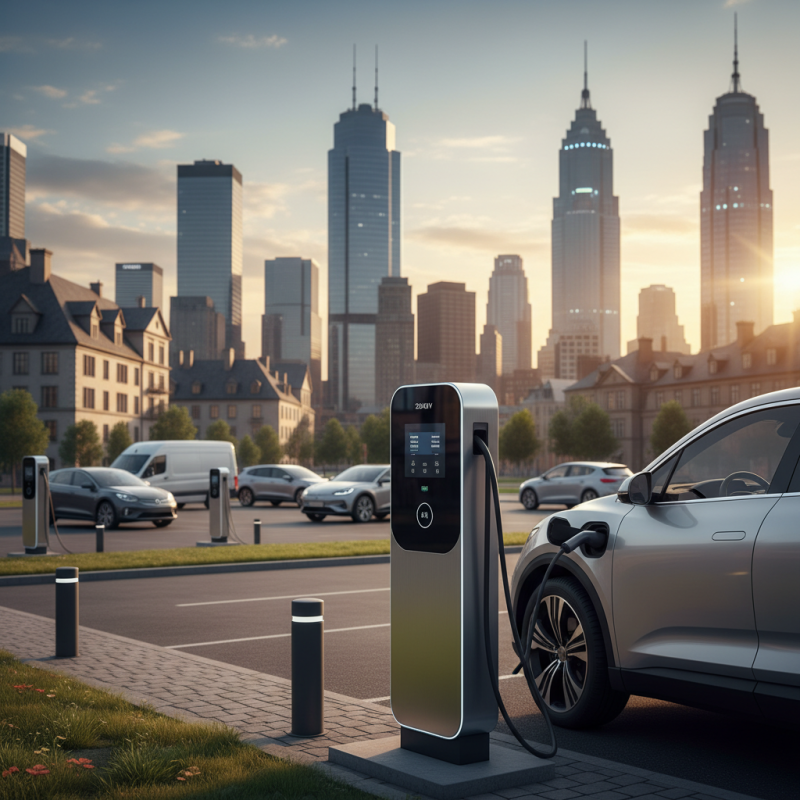
Overview of 240v EV Chargers Available Worldwide
The global market for 240v EV chargers is expanding rapidly, driven by the increasing adoption of electric vehicles. Reports indicate that the global EV charging infrastructure market is expected to surpass $100 billion by 2025, highlighting the growing demand for efficient charging solutions. This surge is attributed to various government incentives, technological advancements, and a rising focus on sustainability.
In many regions, 240v EV chargers offer a practical solution for home and public use. They provide faster charging times compared to lower voltage options. For example, a level 2 charger can typically deliver up to 25 miles of range per hour, making them suitable for daily commutes. However, users should be aware that installation costs can vary significantly, depending on local wiring conditions and permits.
Tip: Consider consulting a certified electrician before purchasing a charger. They can assess your electrical system's compatibility and ensure safe installation. Also, if you’re renting, check with your landlord about installation permissions.
Another aspect to keep in mind is that not all EVs are compatible with every charger, so research your vehicle's requirements. By understanding these elements, users can avoid potential frustrations and ensure a seamless charging experience.
Key Features to Consider When Choosing a 240v EV Charger
When selecting a 240v EV charger, several key features matter significantly. One crucial aspect is charging speed. Typically, a 240v charger can add between 20 to 60 miles of range per charging hour. This varies based on the vehicle's battery and charger specifications. According to the Electric Power Research Institute, faster charging can significantly enhance the user experience, allowing for more convenient trips.
Another important feature is compatibility. Most 240v chargers should work with different electric vehicle models. However, it's essential to check if the charger supports your vehicle's charging protocol. The International Energy Agency reports that interoperability among chargers can improve adoption rates of EVs, making it a vital consideration for buyers.
Safety features also deserve attention. Look for chargers with built-in surge protection and overheat management. These features ensure safe operation and protect your investment. Reports by automotive safety regulators highlight the increase in safety incidents related to improper charging practices. Buyers must scrutinize these aspects as they select the right charger for their needs.
Top Brands Offering 240v EV Chargers for Global Market
As the electric vehicle (EV) market grows, demand for efficient charging solutions increases. 240v EV chargers play a significant role in this landscape. Many users seek reliable options for home and commercial use. A report by the International Energy Agency indicated that global EV sales reached over 6.6 million units in 2021, with an impressive year-on-year growth of 108%. This trend boosts the 240v charger market, as consumers prioritize quick and convenient charging.
Numerous brands focus on the 240v charger segment. They emphasize safety and efficiency while ensuring customization options. According to a recent industry analysis, the 240v charger market is expected to grow significantly. Yet, some manufacturers face challenges in meeting diverse consumer needs. Improved user interfaces and compatibility with various EV models are essential for success.
While many brands excel in technology, they may overlook aspects like installation and customer support. A comprehensive approach is vital for building customer trust. As buyers evaluate their options, officials suggest considering factors like warranty and service network. These elements can sway decisions significantly. Ultimately, understanding user experience and long-term performance is crucial for buyers worldwide.
Top 240v EV Charger Options for Global Buyers
| Charger Type | Power Output (kW) | Charging Time (Hours) | Compatibility | Features |
| Level 2 Charger | 7.2 kW | 4-6 | Most EVs | Smart App Control, Wi-Fi Enabled |
| Portable Charger | 3.8 kW | 6-8 | Universal Socket | Compact, Lightweight |
| Wall-mounted Charger | 11 kW | 2-4 | Tesla, Nissan, BMW | Weatherproof, Adjustable Port |
| Commercial Charger | 22 kW | 1-2 | All EVs | Fast Charging, Multiple Ports |
| Smart Charger | 9.6 kW | 3-4 | All EVs | Voice Control, Scheduling |
Comparative Analysis of Pricing for 240v EV Chargers
The demand for 240v EV chargers is surging globally. According to a recent industry report, the market for EV chargers is expected to grow at a CAGR of 34% from 2023 to 2030. This is driven by the increasing adoption of electric vehicles. While pricing varies widely, key factors include installation costs, warranty, and features offered.
In North America, consumers can expect to pay between $400 and $1,200 for quality 240v EV chargers. European markets see similar trends, with prices ranging from €500 to €1,000. Some chargers come with additional features like smart connectivity, which can increase costs by up to 20%. User feedback indicates that buyers prioritize reliability and performance over advanced features, raising questions about whether premium pricing always equates to better value.
However, affordability remains a critical concern. While budgets for new EV infrastructure are expanding, many consumers still face constraints. Reports suggest that nearly 40% of potential buyers hesitate due to high upfront costs. This indicates a need for more diverse pricing strategies to cater to different market segments while ensuring access to quality products. Analyzing different regional trends can shed light on potential improvements in price-to-value ratios.
Installation and Compatibility Factors for 240v EV Chargers
When considering a 240v EV charger, compatibility is crucial. Different electric vehicles have varying charging needs. It's essential to check the specifications of your vehicle before making a purchase. Not every charger works with every car model. Some might require an adapter or specific settings for optimal performance. Installation options also vary widely.
Most homeowners find it convenient to install a charger in their garage. However, not every home is wired for 240v systems. Consulting with an electrician may be necessary. They can assess your electrical panel and home layout. This ensures a safe and efficient installation. Pay attention to local regulations, as some areas have specific installation requirements.
Accessibility to charging options can affect your decision. Consider where you park most often. It's vital that the charger is easy to reach. Some chargers come with longer cables and flexible mounting options. This feature is particularly valuable for larger vehicles. Think about future needs. As battery technology evolves, your charging solutions should adapt too.