What is a Stretch Wrapper and How Does it Work?
In the world of logistics, a stretch wrapper plays a vital role. John Smith, an industry expert, once said, “A good stretch wrapper can make all the difference in efficiency.” This statement highlights the importance of understanding how these machines operate.
Stretch wrappers are designed to secure products on pallets using stretch film. They can significantly reduce damage during transport. However, not all stretch wrappers are created equal. Factors such as machine speed and wrapping consistency greatly affect performance. A poorly designed stretch wrapper might lead to increased waste and higher costs.
Despite their advantages, choosing the right stretch wrapper is not straightforward. Many variables must be considered. For instance, the type of products being wrapped and the volume of goods can dictate the choice. Businesses need to reflect on their specific needs before investing. Understanding these elements is essential for maximizing the benefits of a stretch wrapper.
What is a Stretch Wrapper?
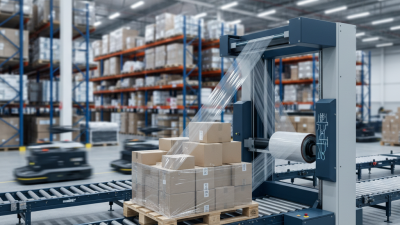
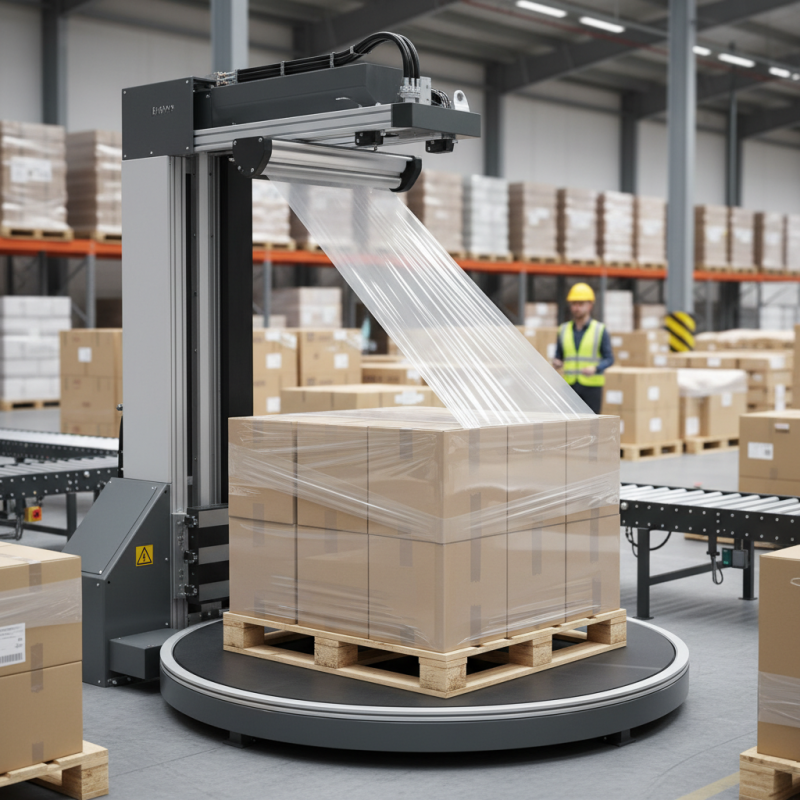
A stretch wrapper is a machine designed to package products securely. It uses stretch film to wrap items together, reducing the risk of damage during shipping. These machines are common in warehouses and manufacturing facilities. They can handle various shapes and sizes, making them versatile tools in logistics.
The wrapping process typically involves placing products on a rotating platform. As the platform spins, the film is applied around the items. This creates a tight bond that helps stabilize the load. However, not all products are suited for stretch wrapping. Fragile items may require additional cushioning, or they might break under too much pressure.
Choosing the right film thickness is also crucial. Too thin might lead to tearing, while too thick can waste resources. Users often need training to ensure proper operation. Small mistakes can lead to inefficient wrapping, resulting in more damaged goods. Understanding how to adjust tension and speed can make a difference. A stretch wrapper is only as good as its operator.
The Importance of Stretch Wrapping in Packaging
Stretch wrapping is essential in the packaging industry. It stabilizes products on pallets, preventing movement during transport. According to a 2021 industry report, over 80% of products shipped globally use stretch wrapping. This method reduces damage and spoilage, saving companies millions in losses each year.
An effective stretch wrapping process can enhance supply chain efficiency. However, improper wrapping techniques can lead to excessive material usage. Studies indicate that around 10% of wrapped pallets are not optimally secured. This can result in product loss, increased shipping costs, and greater environmental impact due to extra plastic waste.
Despite advancements, many companies still struggle with stretch wrapping consistency. Techniques vary widely, leading to packaging differences even within the same operation. Inconsistent wrapping can also affect product readiness for retail display. Despite the benefits, the challenge remains to find a balance between cost and efficiency in stretch wrapping.
How Stretch Wrappers Operate: A Step-by-Step Guide
A stretch wrapper is an essential machine in packaging industries. It secures products with stretch film, maintaining stability during transport. Understanding how these machines operate is key to improving efficiency in your workspace.
To start, the product is placed on a turntable. The turntable begins to rotate while the film is applied. As the load spins, the stretch film unrolls from a carriage above. The process combines high speed and precision, wrapping the product tightly. This helps prevent shifting or damage.
**Tips:** Make sure the product is centered. An off-center load can cause uneven wrapping. Regularly check the film tension. Too tight can damage the product, while too loose may not provide adequate protection.
Once the wrapping is complete, the stretched film is cut and secured. The machine may also heat the film to create a tighter seal. This final touch often goes unnoticed but is crucial for product integrity during shipping.
**Tips:** Conduct regular maintenance on your stretch wrapper. A poorly maintained machine leads to increased downtime. Keep an eye on the film quality too; low-grade film may tear or break easily.
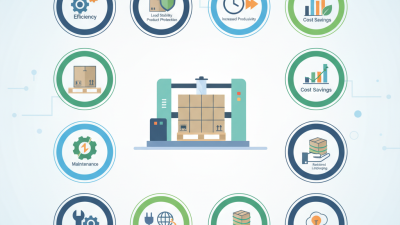
Stretch Wrapper Efficiency Analysis
Types of Stretch Wrappers and Their Applications
Stretch wrappers play a crucial role in packaging processes across various industries. They are designed to secure products on pallets, minimizing damage during transport. There are several types of stretch wrappers tailored for specific applications.
Automatic stretch wrappers are often used in high-volume operations. Reports indicate that they can increase productivity by up to 30% compared to semi-automatic machines. These wrappers adjust tension automatically, ensuring a snug fit for every load. This can reduce product damage rates significantly. However, they may require a higher initial investment, which could be a barrier for smaller businesses.
In contrast, semi-automatic stretch wrappers are more adaptable. They can handle a wide range of products and sizes. Ideal for businesses with fluctuating demand, these machines offer flexibility. Data shows that semi-automatic systems account for around 50% of the stretch wrapper market. Yet, they do need more manual intervention, which can lead to variability in wrapping quality. Companies must weigh the cost versus efficiency when choosing between these systems.
Benefits of Using Stretch Wrappers in Logistics and Distribution
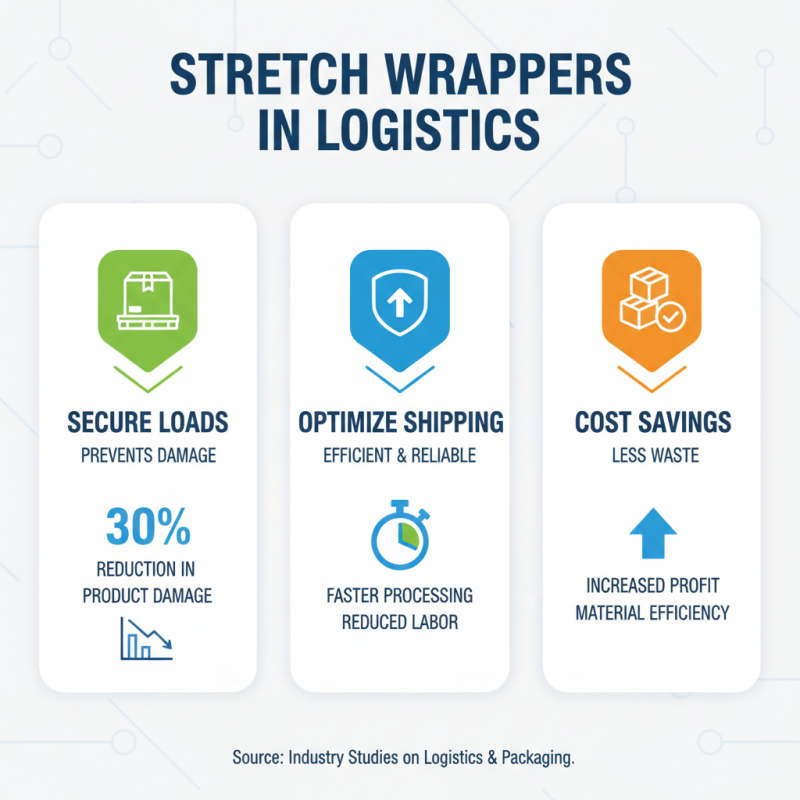
Stretch wrappers are essential for securing loads in logistics and distribution. These machines apply stretch film around products on pallets, preventing damage during transport. According to industry studies, using stretch wrappers can reduce product damage by up to 30%. This is crucial for businesses striving to optimize their shipping processes.
The efficiency of stretch wrappers significantly improves operational workflow. Automated systems can wrap loads at speeds of up to 120 loads per hour. This can lead to higher throughput in warehouses, where time is often lost in manual handling. However, not all systems are perfect. Some operators face challenges with the tension settings, which can affect the quality of the wrapping.
Sustainability is also a growing concern. A report from the logistics sector shows that approximately 40% of packaging waste comes from plastic materials. While stretch wrapping helps protect products, the environmental impact cannot be ignored. Companies must consider eco-friendly materials or recycling opportunities to mitigate this issue.