What are Plastic Meat Trays and Why are They Important?
In the world of food packaging, Plastic Meat Trays play a crucial role. These trays are designed to hold and showcase meat products safely. According to Dr. Emily Tran, a leading expert in food packaging technology, "Plastic Meat Trays not only ensure freshness but also enhance consumer appeal." This statement highlights their importance in the industry.
Plastic Meat Trays offer convenience for both consumers and retailers. They provide protection against contamination while making products visually appealing. However, there are challenges. Not all meat trays are recyclable or biodegradable. This raises concerns about environmental impact. Consumers are increasingly aware of these issues, making it essential for manufacturers to innovate.
The need for improvement in the design and materials used in Plastic Meat Trays is evident. Stakeholders must consider sustainability. Creating more environmentally friendly options could address growing consumer demands. The future of Plastic Meat Trays depends on balancing functionality with ecological responsibility.
What Are Plastic Meat Trays?
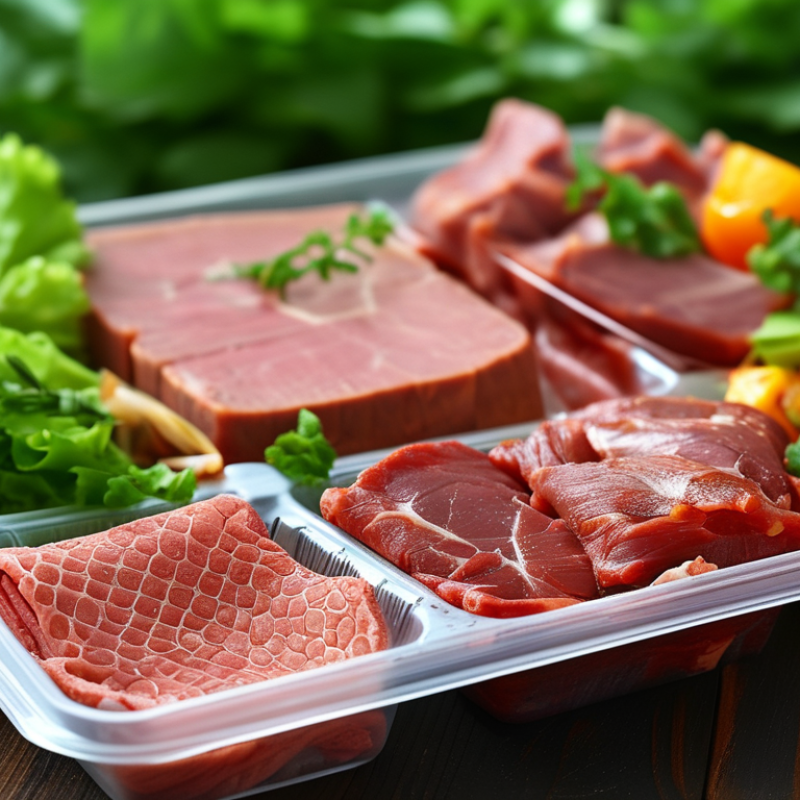
Plastic meat trays are essential packaging used in the meat industry. They are typically made from polystyrene or other plastic materials. These trays provide a hygienic way to display and transport meat products. Their primary purpose is to protect the meat from contaminants while also allowing for visibility. With clear plastic, consumers can see the quality of the meat before purchase, helping them make informed choices.
One key aspect of plastic meat trays is their ability to maintain freshness. The trays are designed to fit tightly, minimizing air exposure. This helps in retaining the meat's moisture and flavor. The trays are often lined with absorbent pads to soak up any excess fluids. This feature is not only practical but also contributes to food safety by reducing the risk of cross-contamination.
Tips for choosing plastic meat trays include ensuring they are BPA-free. This consideration is crucial for health-conscious consumers. Additionally, look for trays that are recyclable to minimize environmental impact. When purchasing meat, check for any leakage in the packaging. Leaking trays can indicate improper handling. Always inspect the meat for freshness and avoid any discoloration or off-odors.
What are Plastic Meat Trays and Why are They Important?
| Dimension | Details |
| Material | Polyethylene (PE) or Polyvinyl Chloride (PVC) |
| Size Range | Typically between 200g to 1kg capacity |
| Recyclability | Many trays are recyclable; check local regulations |
| Usage | Used for packaging meat, poultry, and fish |
| Benefits | Prevents contamination, extends shelf life, easy to handle |
| Environmental Impact | Concerns over plastic waste; efforts are ongoing for alternatives |
| Cost Efficiency | Cost-effective for producers compared to other materials |
The Materials Used in Plastic Meat Trays
Plastic meat trays are essential in the meat packaging industry. They provide safe handling and transport for various meat products. Different materials used in these trays influence their safety and effectiveness. Most plastic meat trays are made from PET or PS plastics. These materials are lightweight and cost-effective, yet they can pose environmental concerns.
According to a report by the Food Packaging Institute, around 70% of meat is packaged in plastic trays. This method helps maintain meat freshness and extends shelf life. However, the recycling rates for these plastics remain low. In fact, only 9% of plastics ever produced have been recycled, highlighting the need for better waste management strategies.
Tips: Always check for recycling symbols on plastic trays. This can help consumers make environmentally conscious choices. Consider using reusable containers for meat storage to reduce plastic waste. Balancing convenience and sustainability can be challenging, but small steps make a difference.
Benefits of Using Plastic Meat Trays for Packaging
Plastic meat trays are essential in the food packaging industry. They provide a convenient, hygienic solution for storing and presenting various meat products. These trays are lightweight yet durable, making them ideal for transporting meats from the store to your home. The design helps maintain freshness and minimize spoilage by limiting air exposure.
Using plastic meat trays has multiple benefits. They are often recyclable, promoting sustainability. This can appeal to environmentally conscious consumers. The trays are designed to be stackable, saving space in both transportation and retail environments. This efficiency can lead to reduced shipping costs and increased shelf life for the products.
Tips: Ensure proper storage. Keep meat trays in a cool place to prolong freshness. Avoid cross-contamination by using separate trays for different meat types. Inspect the trays before purchase, looking for any cracks or breaks that could compromise safety. Remember, well-packaged meat not only looks appealing but can also ensure better quality.
Environmental Concerns and Recycling of Plastic Trays
Plastic meat trays play a vital role in food packaging. However, their environmental impact raises significant concerns. Many of these trays are made from polystyrene, a material that is challenging to recycle. When disposed of improperly, they contribute to landfill waste and ocean pollution. Some communities have begun to implement recycling programs, but the effectiveness varies widely.
Understanding the recycling process can help improve outcomes. Rinsing out trays and removing food residue is crucial. Contaminated plastic often ends up in landfills. Many facilities lack the resources to recycle contaminated materials effectively. Therefore, always check local guidelines for recycling plastic trays.
Tips for responsible disposal include: utilize designated recycling bins, and consider alternatives to plastic trays when possible. You can also support brands that are transitioning to eco-friendly packaging. Small changes in individual habits can lead to significant environmental benefits. Reducing reliance on plastic helps promote a sustainable future for our planet.
Environmental Impact of Plastic Meat Trays
This chart illustrates the environmental impact of plastic meat trays. It shows the estimated waste generated, the recycling rate, and an environmental impact score based on various factors. These indicators highlight the importance of addressing plastic waste in the meat packaging industry.
Future Trends in Plastic Meat Trays and Packaging Solutions
The future of plastic meat trays is evolving. As consumer demand for sustainability grows, companies are exploring innovative packaging materials. According to a recent industry report, the global meat packaging market is projected to reach $18 billion by 2028. This growth is pushing for both efficiency in production and environmental considerations.
Many manufacturers are focusing on biodegradable materials, while others are enhancing recyclability. In fact, only 14% of plastic packaging is recycled globally. This statistic highlights the urgent need for more effective recycling solutions. The shift towards smarter packaging, including vacuum-sealed options and modified atmosphere technology, is gaining traction. These techniques not only preserve meat quality but also extend shelf life.
Challenges remain. The cost of sustainable materials can be higher. Not every alternative offers the same properties as traditional plastics. Ensuring food safety while transitioning to new materials is critical. As technology and consumer preferences continue to evolve, the industry must balance innovation with practicality.