What is Pallet Wrap? Understanding Its Uses and Benefits for Shipping
In the ever-evolving world of shipping and logistics, the importance of proper packaging cannot be overstated. One such packaging solution that has revolutionized the industry is pallet wrap. This specialized stretch film is designed to secure and protect goods during transit, and its uses extend far beyond simple wrapping.
Industry expert John Smith, a logistics consultant with over 15 years of experience, emphasizes the significance of pallet wrap by stating, "Effective pallet wrap not only safeguards products but also enhances overall shipping efficiency."
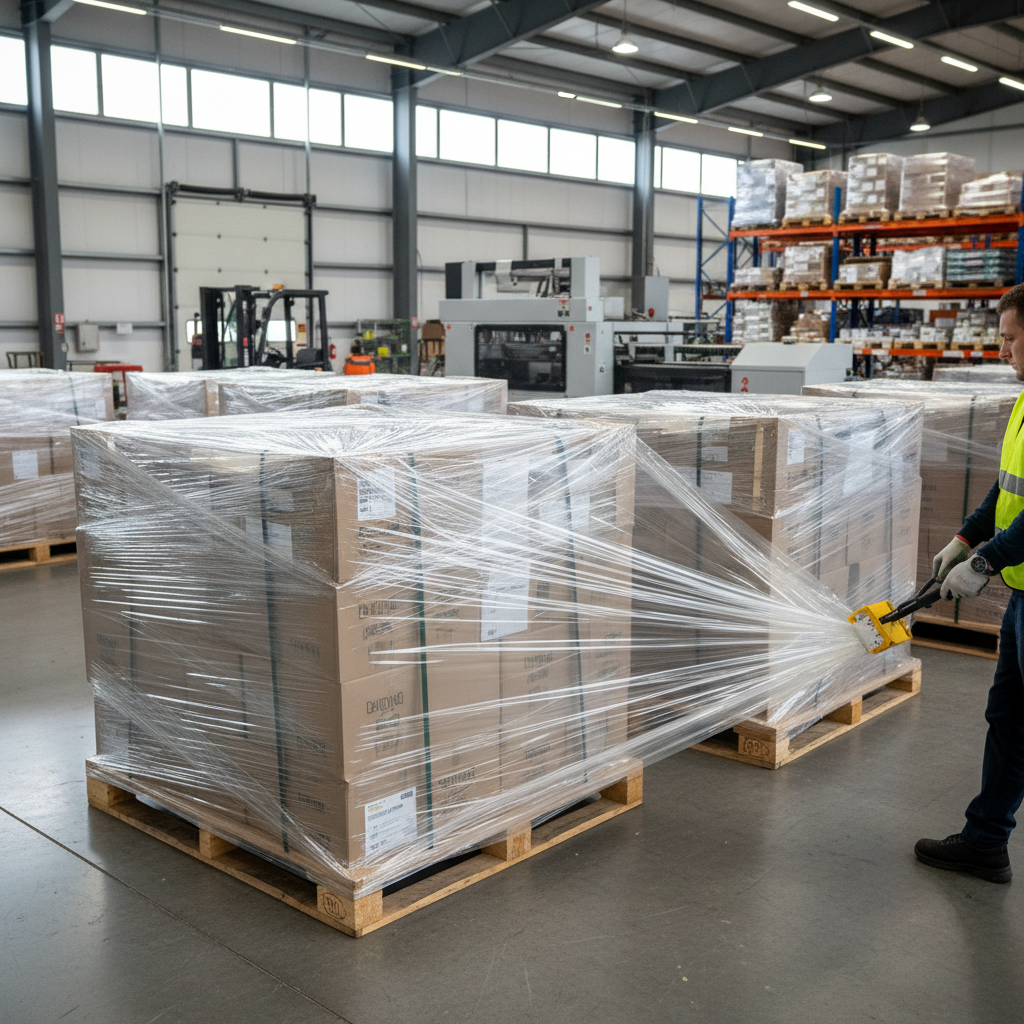 Pallet wrap is not merely a protective layer; it is a critical element in maintaining the integrity of products as they move through supply chains. Its stretchable nature allows it to conform tightly to the shape of the load, ensuring stability and preventing movement. Moreover, the benefits of pallet wrap extend to reducing damage, optimizing space, and improving handling ease. As the demand for efficient shipping practices continues to rise, understanding the multifaceted advantages of pallet wrap becomes essential for businesses aiming to enhance their operational processes.
As we delve deeper into the uses and benefits of pallet wrap, it is crucial to recognize how this simple yet effective material has become a cornerstone of modern shipping solutions, ultimately leading to increased customer satisfaction and improved operational costs. The innovative applications of pallet wrap continue to shape the future of logistics, making it an indispensable component in the shipping industry.
What Is Pallet Wrap and Its Composition?
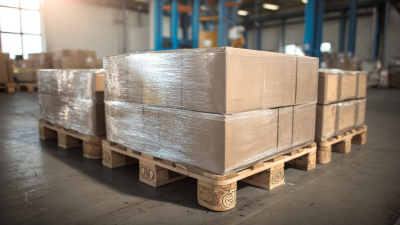
Pallet wrap, also known as stretch film or stretch wrap, is a highly versatile packaging material primarily used in shipping and logistics. It consists of a thin, plastic film that is stretched around goods to secure them on pallets. This material is typically made from polyethylene, a strong and flexible polymer that provides excellent stretchability and durability. The composition of pallet wrap allows it to cling tightly to itself and the items it encases, ensuring that the load remains intact during transportation.
One of the key characteristics of pallet wrap is its ability to provide a protective barrier against dust, moisture, and contaminants. By wrapping products securely, it minimizes the risk of damage caused by external elements or movement during transit. Additionally, pallet wrap comes in various thicknesses and grades, making it suitable for different types of shipments, from lightweight goods to heavier, more fragile items. Its ease of use and cost-effectiveness make pallet wrap an essential tool in the shipping industry, helping businesses streamline their operations while ensuring product safety.
What is Pallet Wrap? Understanding Its Uses and Benefits for Shipping
| Dimension |
Description |
Benefits |
Common Applications |
| Thickness |
Typically ranges from 50 to 150 microns. |
Offers strength depending on thickness, preventing damage. |
Shipping palletized goods. |
| Material |
Made primarily from polyethylene (PE) or PVC. |
High stretchability and durability for load security. |
Warehouse storage and distribution environments. |
| Types |
Stretch film, shrink film, or bundling film. |
Different types for specific needs and applications. |
Palletizing, bundling, and securing items for transport. |
| Environmental Impact |
Recyclable materials are available for eco-friendly options. |
Promotes sustainability in shipping practices. |
Used by businesses focusing on reducing waste. |
Key Benefits of Using Pallet Wrap for Shipping Efficiency
Pallet wrap, also known as stretch film, is an essential material in the shipping industry. Its primary function is to secure goods on pallets, ensuring they remain intact during transportation. One of the key benefits of using pallet wrap is its ability to provide excellent protection against dust, dirt, and moisture. This not only keeps the products in pristine condition but also minimizes the risk of damage, making it a cost-effective solution for businesses.
Additionally, pallet wrap enhances shipping efficiency. By tightly binding items together, it reduces the likelihood of movement and shifting during transit. This stability can lead to quicker loading and unloading processes, saving valuable time. **Tip:** When applying pallet wrap, start from the bottom of the pallet and work your way up to ensure a firm grip and avoid unwanted shifting.
Another advantage of pallet wrap is its flexibility and adaptability to various loads. It conforms to the shape of the items being wrapped, providing a snug fit that reduces wasted space. **Tip:** Use multiple layers of wrap for heavier or oddly shaped items to ensure maximum security during transport. By leveraging the benefits of pallet wrap, businesses can enhance their shipping operations while ensuring the safety of their products.
Key Benefits of Using Pallet Wrap for Shipping Efficiency
Different Types of Pallet Wrap and Their Applications
Pallet wrap, also known as stretch film, is essential in the shipping industry for securing goods on pallets. There are several types of pallet wrap, each designed to meet specific needs and applications. The most common varieties include hand stretch film, machine stretch film, and colored stretch film.
Hand stretch film is ideal for manual wrapping, providing flexibility and ease of use for smaller operations. Its varying thickness allows users to choose the best option for their load stability. Machine stretch film, on the other hand, is designed for automated processes, providing consistent tension and speed for high-volume shipping. This type of wrap is often used in warehouses where efficiency is crucial. Colored stretch film serves not just a protective purpose but also helps in organizing inventory and identifying different products at a glance, streamlining operations further.
Choosing the right pallet wrap is vital for ensuring product protection and optimizing the shipping process. Each type of pallet wrap offers distinct advantages that cater to different operational scales and logistical needs. Whether for small businesses or large warehouses, understanding these differences helps in selecting the most suitable wrap for effective shipping solutions.
Best Practices for Applying Pallet Wrap to Ensure Security
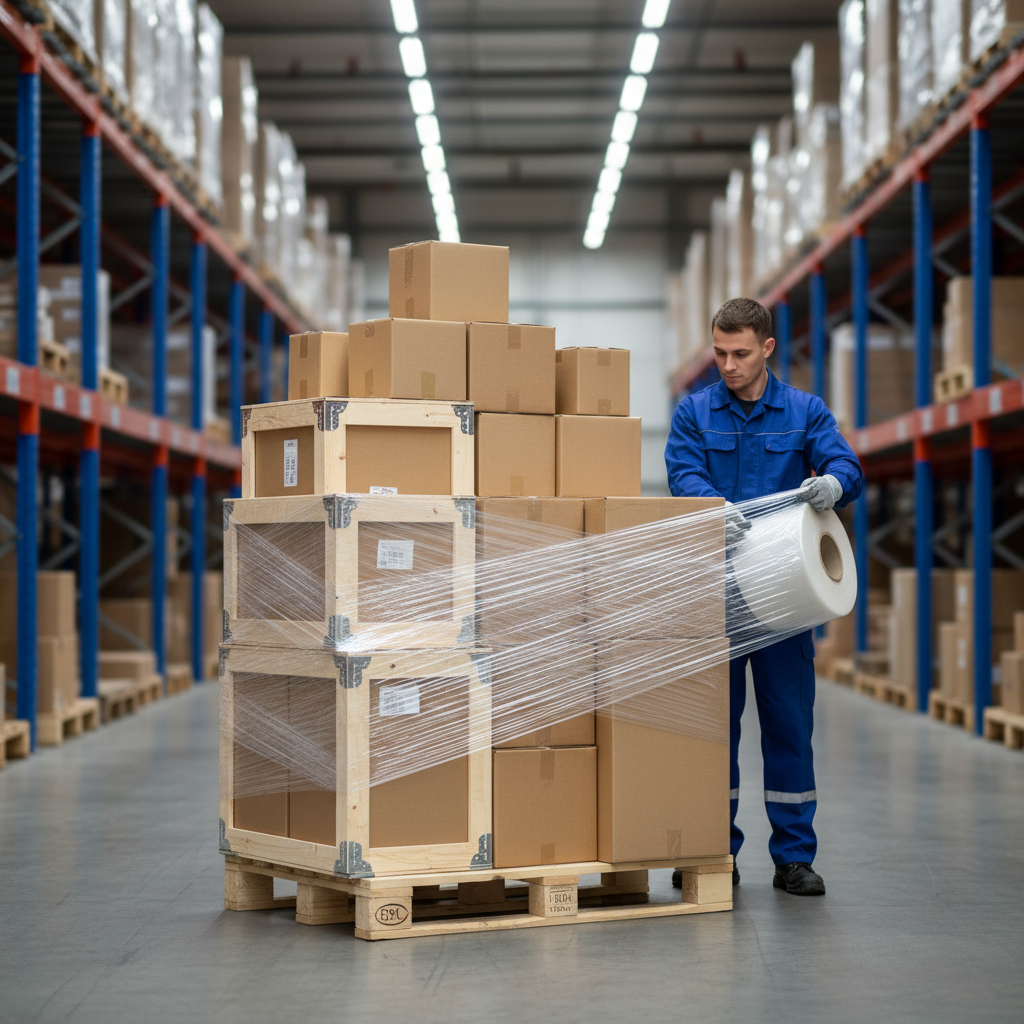
Applying pallet wrap correctly is essential for securing loads during shipping. Start by ensuring the pallet is stable and organized, placing heavier items on the bottom to create a solid base. When wrapping, hold the roll at waist height and apply the wrap in a circular motion around the pallet. Begin from the base and work upwards, overlapping each layer by about half to enhance security. This method helps prevent the load from shifting during transit, reducing the risk of damage.
To maximize the effectiveness of pallet wrap, it’s crucial to pay attention to tension. Too much tension can cause the wrap to tear, while too little can lead to inadequate hold. Gradually increase tension as you climb up the pallet, ensuring that each layer is snug but not overly tight. Additionally, consider wrapping the corners and edges multiple times to fortify these vulnerable points. Using a tensioner tool can also assist in maintaining the right amount of stretch. By following these best practices, you can ensure that your shipments reach their destination securely and intact.
Cost-Effectiveness of Pallet Wrap in the Shipping Industry
Pallet wrap, also known as stretch film, plays a crucial role in the shipping industry by providing both protection and stability to stacked goods during transportation. The cost-effectiveness of pallet wrap is highlighted in various industry reports, with research from the Freedonia Group projecting a market value for stretch film to reach $4.8 billion by 2025. This surge can be attributed to the material's ability to reduce product damage and labor costs associated with securing loads, making it a quintessential component in logistics operations.
Moreover, the use of pallet wrap can contribute significantly to sustainability efforts in shipping. According to a report by Smithers Pira, the adoption of stretch film can lead to a reduction in shipping costs by as much as 25% due to its lightweight nature and ability to secure products efficiently. This translates to lower fuel consumption and reduced carbon footprint in transportation. Additionally, its recyclability adds another layer of economic and environmental benefits, aligning with the industry's increasingly green initiatives. In essence, the financial advantages provided by pallet wrap reinforce its indispensable status in modern shipping practices.