Top 10 Benefits of Using Pallet Wrap in Warehousing and Logistics
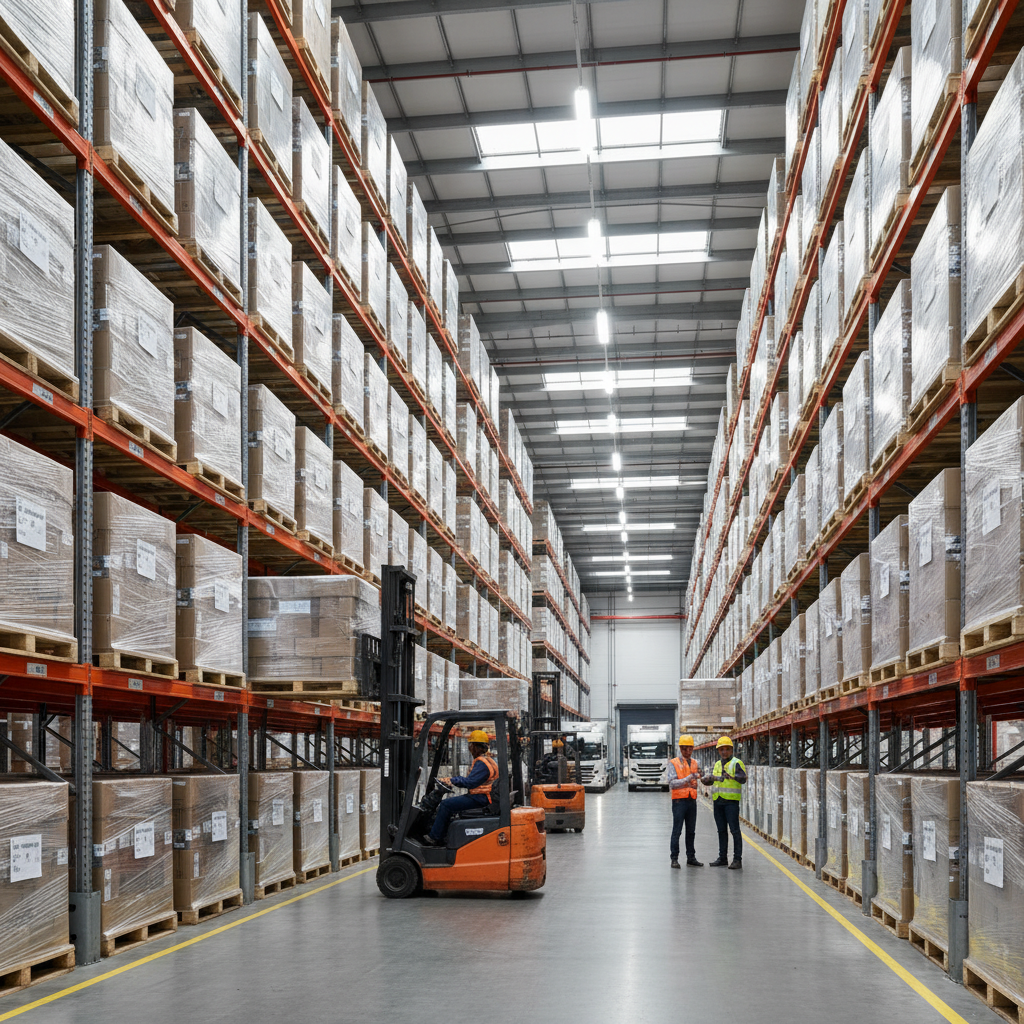
In the fast-paced world of warehousing and logistics, the efficiency and safety of operations are paramount. One innovative solution that has garnered attention is the use of pallet wrap. According to a report by the Material Handling Industry of America (MHIA), the implementation of effective packaging solutions like pallet wrap can reduce damage during transit by up to 25%. This significant reduction in product loss not only shields the bottom line but also enhances customer satisfaction by ensuring that goods arrive in impeccable condition.
Industry expert Michael Johnson, a leading figure in logistics efficiency, emphasizes the importance of pallet wrap in modern supply chains. As he aptly states, "Pallet wrap serves as a guardian for goods, providing not just protection but also a means to optimize storage and handling processes." The versatility of pallet wrap extends beyond mere safeguarding; it helps in maximizing pallet stability, minimizing theft, and streamlining loading procedures, thereby contributing to overall operational efficiency.
As we delve into the top benefits of using pallet wrap, it becomes clear that this simple yet effective tool plays a crucial role in enhancing logistics strategies across industries. By understanding its myriad advantages, businesses can leverage pallet wrap to create a more resilient and efficient warehousing environment, setting the stage for success in 2025 and beyond.
How to Enhance Product Protection with Pallet Wrap in Logistics
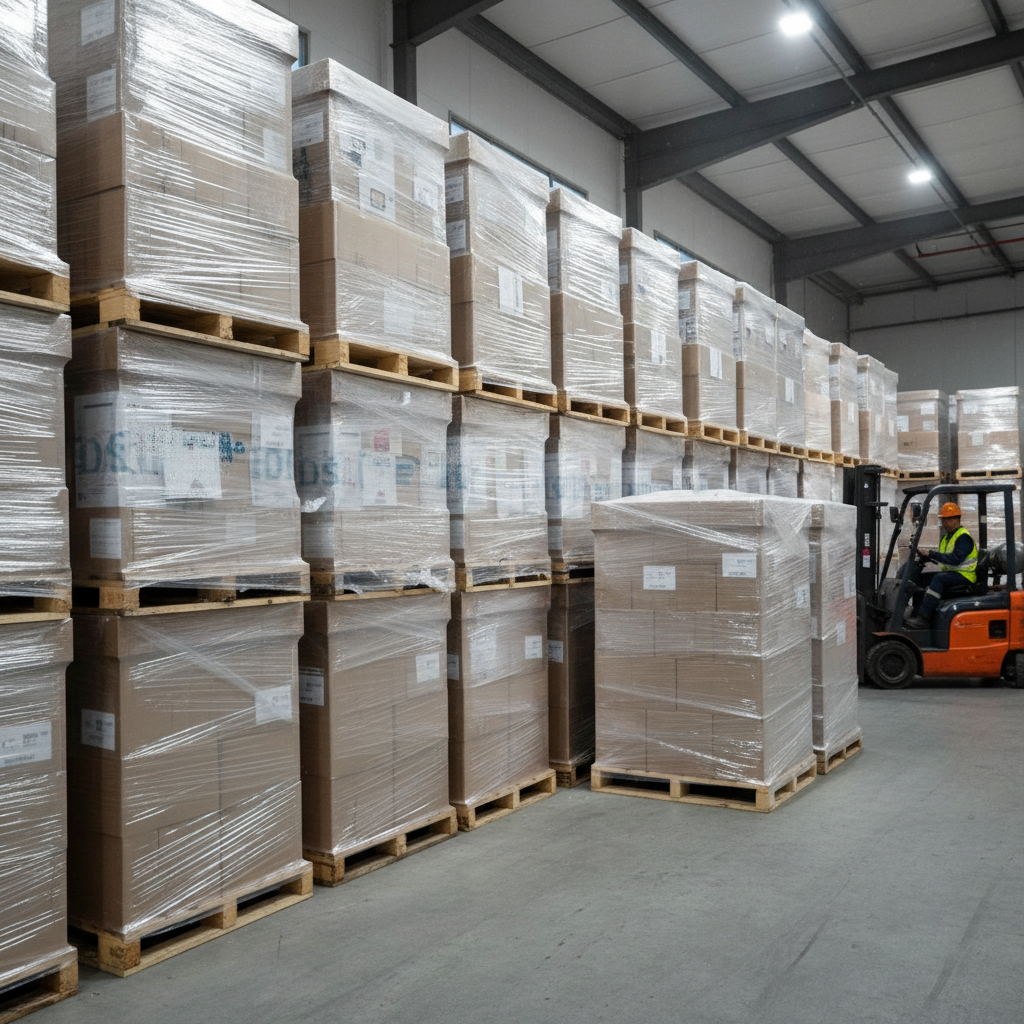
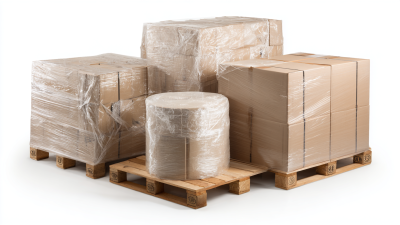
Pallet wrap is a crucial element in enhancing product protection within the logistics and warehousing sectors. By securely wrapping pallets, businesses can significantly reduce the risk of damage during transportation and storage. This protective layer shields products from dust, moisture, and potential impacts, ensuring they arrive at their destinations in optimal condition.
The use of stretch films, specifically tailored for pallet wrapping, has seen innovations that improve strength while reducing material usage, making it both an environmentally friendly and economically viable choice.
Additionally, the evolution of these materials, like nano stretch films made from multiple polymer layers, has revolutionized how goods are stabilized. These advanced wraps enhance load stability, reducing the chances of shifting during transit, which can lead to costly damages. As manufacturers continue to innovate in the stretch wrap industry, the role of pallet wrap becomes ever more vital in meeting the demands of a growing transit packaging market, projected to expand significantly in the coming years.
How to Improve Space Efficiency by Using Pallet Wrap
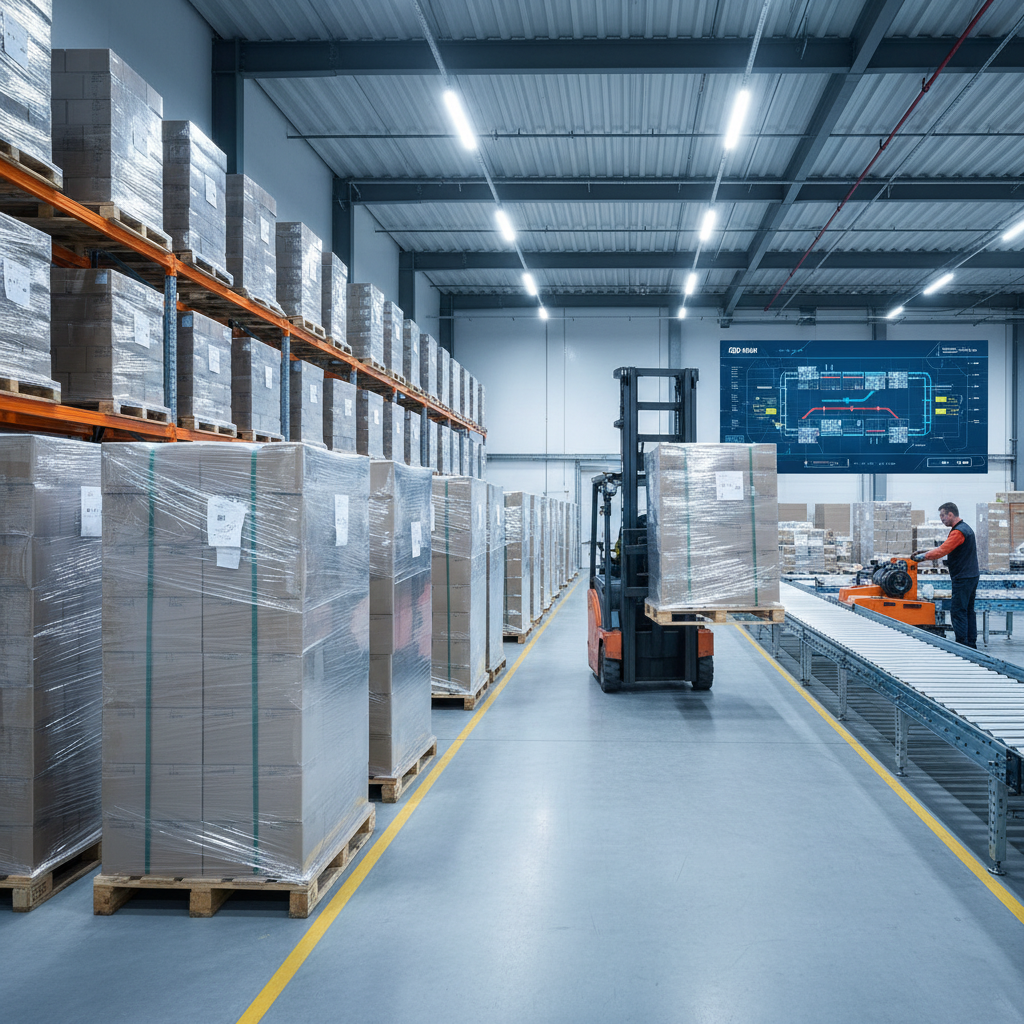
Using pallet wrap in warehousing and logistics significantly enhances space efficiency, an essential consideration in today's fast-paced supply chain environment. By securely wrapping products on pallets, businesses can maximize vertical space utilization while ensuring stability during storage and transportation. This method reduces the chances of damage and loss, paving the way for a more streamlined workflow and quicker dispatch times.
Moreover, standardizing the use of pallets, especially in military logistics, dramatically improves loading and unloading efficiency by up to 90%. This standardization facilitates faster operations, allowing for rapid transfer and storage of goods. In various sectors, including the military and commercial industries, the application of pallet wrap optimizes inventory management, contributing to a more agile response to fluctuating demands. Embracing such practices not only enhances operational efficiency but also supports the growing trend of integrating new technologies in warehousing, ensuring that companies can adapt effectively to the evolving market landscape.
How to Streamline Inventory Management with Effective Pallet Wrapping
Effective pallet wrapping can significantly enhance inventory management within warehousing and logistics operations. By utilizing high-quality pallet wrap, businesses can ensure better protection for their goods against dust, moisture, and damage during storage and transit. According to a report by the Material Handling Industry of America (MHIA), nearly 25% of warehouse inventory loss is attributed to damage. Implementing effective wrapping techniques can mitigate this risk, ultimately preserving the integrity of products and resulting in fewer losses.
In addition to damage reduction, efficient pallet wrapping improves space utilization and organization in warehouses. A study by the Warehousing Education and Research Council (WERC) revealed that organized warehousing could boost space efficiency by up to 30%. Properly wrapped pallets are easier to stack and store, leading to optimal use of vertical space and making inventory easier to access. This streamlined approach not only enhances inventory management but also accelerates order fulfillment processes, thereby improving overall operational efficiency.
How to Minimize Handling Damage through Proper Pallet Wrap Techniques
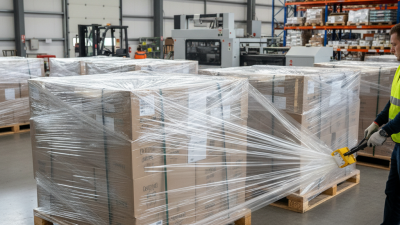
Proper pallet wrap techniques are crucial in minimizing handling damage in warehousing and logistics. According to a report by the Warehousing Education and Research Council (WERC), improper handling and packaging contribute to approximately 25% of product damage in logistics operations. By utilizing high-quality pallet wrap, warehouses can create a secure load that significantly reduces the chances of product shifts and spills during transportation. The right application of stretch film not only safeguards the products but also enhances load stability, providing a buffer against the rigors of handling.
Moreover, data from the National Association of Wholesaler-Distributors (NAW) indicates that implementing effective pallet wrap practices can lead to a 30% reduction in damage-related costs. Techniques such as overlapping wraps, maintaining appropriate tension, and using the correct film thickness can make a remarkable difference in protecting goods. Adopting these practices fosters better inventory management and promotes operational efficiency, ultimately leading to higher customer satisfaction as products arrive intact. Enhancing pallet wrapping techniques stands as a vital investment for warehouses aiming to reduce losses and improve their bottom line in an increasingly competitive market.
Top 10 Benefits of Using Pallet Wrap in Warehousing and Logistics
| Benefit |
Description |
Impact on Handling Damage |
| Prevents Product Shifting |
Pallet wrap secures items tightly, preventing movement during transit. |
Reduces the risk of damage caused by shifting loads. |
| Moisture Protection |
Wrap acts as a barrier against moisture, protecting the products. |
Decreases chances of spoilage or damage from humidity. |
| Dust and Dirt Shield |
Keeps products clean by preventing dust accumulation during storage. |
Minimizes the risk of damage caused by contamination. |
| Tampering Resistance |
Difficult to breach without visible damage, ensuring product integrity. |
Reduces losses from theft and tampering. |
| Enhanced Stability |
Wrap adds structure and stability to uneven loads. |
Lowers chances of uneven distribution-related damage. |
| Cost-Effective |
Inexpensive solution to prevent damage compared to product loss. |
Saves money in potential claims and replacements. |
| Ease of Use |
Quick and simple application; saves time in packing processes. |
Reduces handling time and related damage risks. |
| Weather Resistance |
Protection against varying weather conditions during transport. |
Minimizes incident of weather-related damage. |
| Improved Load Handling |
Wrapped pallets are easier to lift and maneuver. |
Less risk of accidental drops or mishandling during transit. |
| Sustainability Options |
Many wraps are now available in recyclable materials. |
Encourages environmentally responsible practices in logistics. |
How to Reduce Waste and Environmental Impact with Sustainable Pallet Wrap Options
Sustainable pallet wrap options play a crucial role in reducing waste and minimizing environmental impact in warehousing and logistics. By opting for biodegradable and compostable materials, businesses can significantly lessen their ecological footprint. These eco-friendly alternatives not only perform effectively but also contribute to a circular economy, where end-of-life products can break down naturally without polluting the environment. Such solutions align with modern consumer expectations for sustainability, encouraging businesses to adopt practices that reflect a commitment to environmental responsibility.
Moreover, innovative companies are finding ways to incorporate recycled materials into their pallet wrap production, further enhancing sustainability. By embracing these sustainable practices, organizations not only comply with increasing regulatory demands but also resonate with eco-conscious consumers. This shift towards more sustainable packaging solutions highlights the importance of making environmentally friendly choices at every stage of a product's lifecycle, ultimately fostering a more sustainable future for the logistics and warehousing industry.
Top 10 Benefits of Using Pallet Wrap in Warehousing and Logistics