How to Optimize Case Packing for Efficient Shipping and Cost Savings
In the competitive landscape of logistics and supply chain management, efficient shipping practices have become paramount for businesses looking to cut costs and improve delivery times. One of the critical components in this optimization process is effective "case packing." As industry expert Dr. Emily Stratton, who has over two decades of experience in logistics efficiency, aptly stated, "The way we pack our cases can determine not just the cost of shipping but also the speed at which products reach consumers." This principle has gained traction as companies aim to streamline their packing processes to enhance productivity.
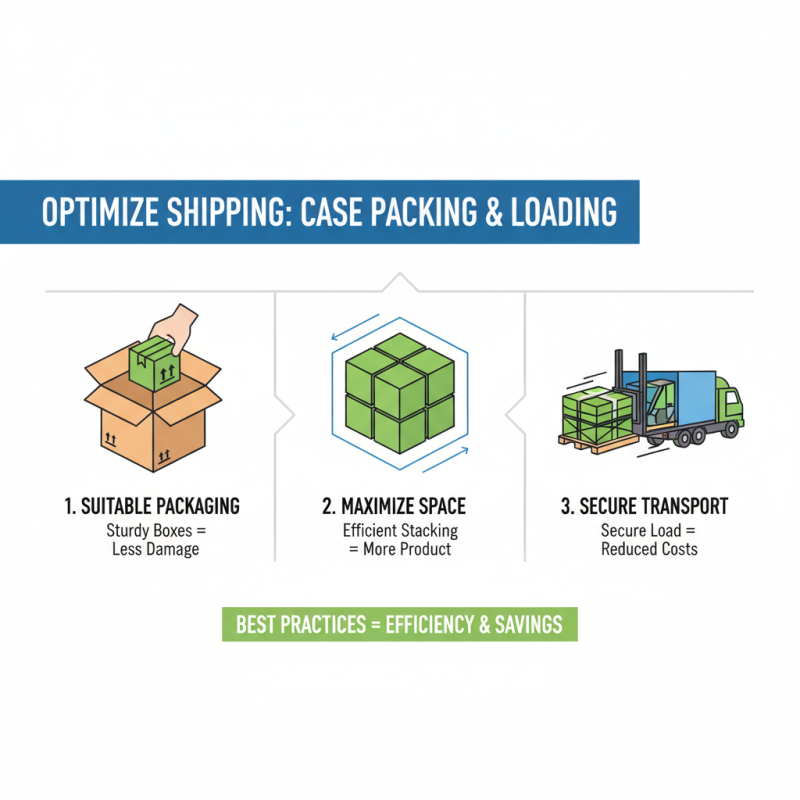
Case packing involves organizing products into cases or pallets in such a way that maximizes space and minimizes waste during shipping. An optimized case packing strategy can lead to significant cost savings by reducing both the amount of packaging material used and the overall volume shipped. By employing advanced packing techniques and leveraging technology, businesses can not only lower their shipping expenses but also bolster their sustainability initiatives. As we delve into the intricacies of case packing, it becomes clear that mastering this art is essential for companies seeking to enhance their operational efficiency and maintain a competitive edge in the marketplace.
Understanding the Importance of Case Packing in Shipping Efficiency
Efficient case packing is a crucial aspect of the shipping process that directly influences overall logistics performance. By understanding the dynamics of case packing, businesses can significantly improve the efficiency of their shipping operations. Properly packed cases allow for optimal space utilization within shipping containers, reducing the number of shipments required, which in turn minimizes transportation costs. With a well-thought-out packing strategy, companies can reduce the environmental impact associated with excessive shipping and create a more sustainable supply chain.
Moreover, effective case packing enhances supply chain visibility and facilitates smoother handling processes. By ensuring that products are securely packed, companies can minimize the risk of damage during transit, decreasing the likelihood of returns and additional handling costs. This not only preserves the integrity of the products but also boosts customer satisfaction by ensuring timely delivery of undamaged goods. Overall, optimizing case packing not only leads to cost savings but also establishes a more efficient and reliable shipping operation, ultimately contributing to long-term business success.
Assessing the Right Packaging Materials for Cost-Effective Case Packing
Selecting the right packaging materials is essential to optimize case packing for efficient shipping and cost savings. Packaging materials not only protect the products during transit but also influence shipping costs and storage efficiency. Consider using materials that offer lightweight yet strong protection, such as corrugated cardboard, which can reduce shipping expenses while maintaining the integrity of the products inside. Additionally, evaluating the size and design of your packaging can help minimize wasted space and allow for more items to be shipped at once.
Tips: When choosing packaging materials, assess their compatibility with your products. Materials like biodegradable fillers or protective wraps can reduce environmental impact while still ensuring that products arrive safely. Always take into account the packaging's ability to withstand various shipping conditions, such as temperature fluctuations and moisture.
Investing in reusable packaging solutions can also lead to long-term cost savings. By utilizing durable containers that can be returned and reused, businesses can cut down on packaging waste and lower overall material costs. This not only benefits the environment but also aligns with consumer preferences for sustainable practices.
How to Optimize Case Packing for Efficient Shipping and Cost Savings
| Packaging Material |
Cost per Unit ($) |
Weight (lbs) |
Durability Rating (1-10) |
Optimal Volume (cu ft) |
| Cardboard Box |
0.50 |
1.5 |
8 |
2.5 |
| Plastic Container |
1.20 |
2.0 |
9 |
1.8 |
| Pallet Shrink Wrap |
0.15 |
0.5 |
7 |
N/A |
| Wooden Crate |
3.00 |
10.0 |
10 |
5.0 |
| Bubble Wrap |
0.25 |
0.2 |
7 |
N/A |
Utilizing Technology and Software to Optimize Case Packing Layout
In the modern shipping landscape, optimizing case packing is crucial for maximizing efficiency and reducing costs. One of the most effective ways to achieve this is through the integration of technology and specialized software. Advanced packing software can analyze shipment dimensions, weights, and destination specifics to design optimal packing layouts. By simulating different configurations, businesses can identify the most efficient use of space within shipping containers, ultimately reducing the number of trips required and minimizing shipping costs.
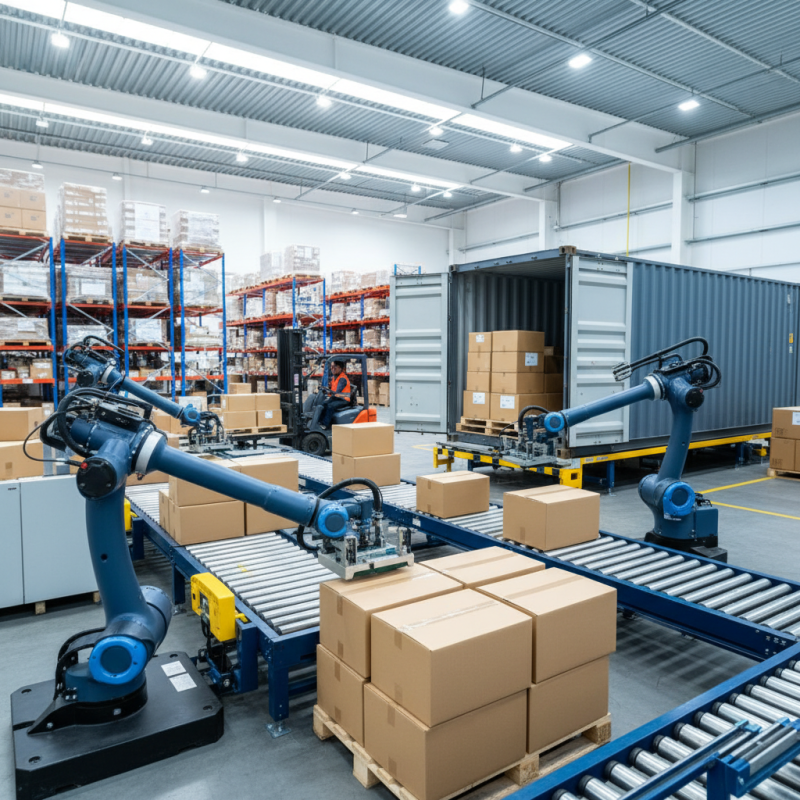
Furthermore, the use of technology extends beyond software. Automation tools in the packing process can streamline operations, reducing manual labor and the potential for human error. For example, automated packing systems can adjust to varying product sizes and shapes, ensuring that packages are securely packed while minimizing void space. This not only enhances packing efficiency but also improves the overall sustainability of shipping operations by reducing the amount of packaging material used. As companies increasingly adopt these technological advancements, they position themselves for significant savings and heightened competitiveness in the marketplace.
Evaluating Shipping Costs and Adjusting Case Packing Strategies Accordingly
Optimizing case packing is not just about maximizing space;
it's also about carefully evaluating shipping costs to ensure efficiency.
By analyzing the dimensions and weight of goods, businesses can adjust their case packing strategies to minimize shipping expenses.
A thorough understanding of carrier pricing models—which often factor in size, weight, and shipping zones—can lead to substantial savings
when combined with strategic case packing.
Tips for evaluating shipping costs include regularly reviewing carrier contracts to identify any unutilized options or
discounts that may apply based on volume shipped. It’s also important to assess packaging materials for weight reductions—
lightweight options can lead to lower shipping costs.
Another strategy is to implement a data-driven approach by using software
that calculates optimal case sizes based on destination and shipping method.
Additionally, adjusting case packing for varying shipment types can yield significant benefits. For instance, consolidating smaller
shipments into larger cases can reduce the number of shipments and take advantage of bulk rates. Conversely, if certain items
consistently incur high shipping costs due to weight or dimensional limits, consider redesigning the packaging or even the product
itself. This proactive approach not only enhances shipping efficiency but ultimately drives down overall logistics costs.