What is Machine Vision Inspection and How Does It Work?
Machine Vision Inspection is a transformative technology in manufacturing and quality control. According to a report by MarketsandMarkets, the global machine vision market is projected to grow from $10.2 billion in 2020 to $16.3 billion by 2025. This rapid growth highlights the increasing reliance on automated inspection systems to enhance accuracy and efficiency.
In various industries, Machine Vision Inspection plays a crucial role in identifying defects and ensuring product quality. For instance, in the automotive sector, it helps to detect minute flaws in components, potentially saving millions in recalls. However, challenges remain. Not all systems can adapt to different products seamlessly. The complexity of integration sometimes leads to implementation hurdles, requiring careful consideration during setup.
Moreover, while Machine Vision Inspection improves productivity, it is not infallible. Misidentifications can occur due to varying lighting conditions or surface textures. Companies must continuously refine their systems. Investing in machine vision technology demands a clear understanding of both its potential and limitations. As with any innovative solution, an ongoing assessment is vital for success in this competitive landscape.
What is Machine Vision Inspection?
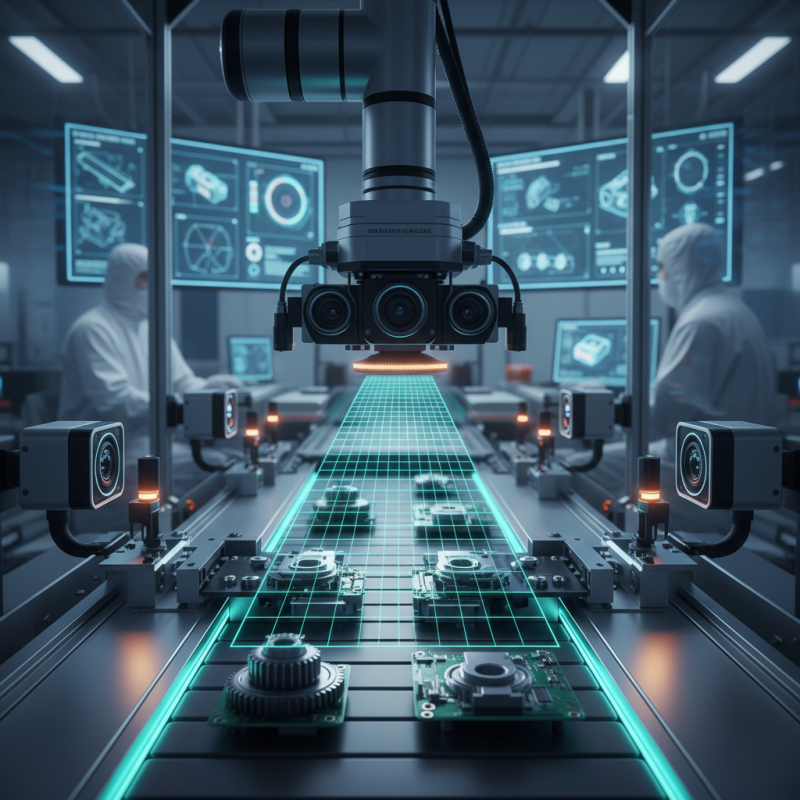
Machine vision inspection is a powerful technology that uses cameras and software to analyze images. It is commonly used in manufacturing and quality control processes. This method allows machines to detect defects and ensure products meet specific standards. Cameras capture high-resolution images, while software interprets these images. The result is quicker and more accurate inspections compared to manual processes.
In many cases, the effectiveness of machine vision systems depends on quality lighting and image clarity. Poor lighting can obscure crucial details. Sometimes, systems fail to recognize subtle flaws. This highlights the need for constant improvements and adjustments. Engineers must continually review and refine these systems for optimal performance.
Furthermore, machine vision does not replace human judgment entirely. Complex decisions still require human insight. It's important to strike a balance between automated systems and human operators. This ensures that the technology enhances productivity while maintaining high-quality standards. As industries advance, the role of machine vision will continue to evolve. There is much to learn as the technology grows.
Machine Vision Inspection Performance Metrics
This chart illustrates key performance metrics of Machine Vision Inspection systems, highlighting their effectiveness in quality control, speed of processing, and reliability in defect detection.
Key Components of Machine Vision Systems
Machine vision systems play a crucial role in modern manufacturing. These systems consist of key components that work together to ensure quality control. The primary elements include cameras, lighting sources, software, and processing units. Cameras capture images of products on the production line. Advanced image sensors can achieve resolutions beyond 5 Megapixels. This resolution enhances details, helping to identify defects with greater accuracy.
Lighting is another vital component. Proper illumination can drastically affect image quality. For instance, using LED lights reduces shadows and emphasizes critical features. It is often essential to adjust lighting based on the specific product being inspected. Inconsistent lighting can lead to false positives in detection rates, causing inefficiencies.
Processing units handle the analysis of the captured images. They use algorithms to identify flaws. Many systems rely on machine learning to improve detection over time. However, there can be challenges. Some algorithms might misinterpret complex shapes or textures, underscoring the need for continual refinement. Recent studies show that up to 30% of inspections can yield false negatives if the system is not optimally configured. This highlights the importance of ongoing evaluation in machine vision technology.
How Machine Vision Works: The Process Explained
Machine vision technology uses cameras and sensors to inspect products. The process involves image acquisition, processing, and analysis. In image acquisition, high-resolution cameras capture visual data from products on an assembly line. This initial step is crucial, as it defines the quality of the data used in further processing.
Once images are captured, algorithms analyze them against pre-defined criteria. Several studies report that machine vision systems can achieve over 99% accuracy in identifying defects. This is vital in industries such as automotive and pharmaceuticals, where precision is paramount. However, these systems are not infallible. The challenge lies in variations in lighting and product positioning. These factors can lead to missed defects or false positives, which is a concern in high-stakes environments.
After analysis, results are generated, and this information guides quality control decisions. Some implementations even offer real-time feedback for immediate corrections. Yet, the reliance on algorithms raises questions about adaptability. Machine vision systems may struggle with unfamiliar defects or new product designs. Continuous improvement and regular recalibrations are needed for optimal performance.
Applications of Machine Vision Inspection in Various Industries
Machine vision inspection is transforming various industries. In manufacturing, the technology enhances quality control. According to a recent study, the global machine vision market is projected to reach $12 billion by 2024. Its applications are widespread, impacting sectors like automotive, electronics, and food processing.
In automotive production, machine vision systems ensure that components meet exact specifications. This eliminates defects and enhances safety. In electronics, the technology inspects intricate circuit boards. It detects flaws that human eyes might miss. Food processing also benefits through inspection of packaging integrity. It ensures that products are safe for consumption. However, these systems can struggle with varying lighting conditions. Some reports indicate that up to 20% of inspections may require human intervention due to inconsistent results.
Despite the advancements, challenges remain. Data from industry experts show that about 15% of manufacturers lack proficiency in machine vision technology. Training staff to operate and maintain these systems is essential. Moreover, reliance on machines raises questions about job displacement. Balancing automation with human skills is crucial for future growth. The potential of machine vision is enormous, but its implementation needs careful thought.
Benefits and Challenges of Implementing Machine Vision Technology
Implementing machine vision technology brings significant benefits. This technology enhances inspection processes by providing accurate and consistent evaluations. It can detect defects that human eyes might miss, improving product quality. Businesses often experience reduced labor costs since fewer workers are needed for inspections. Additionally, machine vision systems can operate continuously, increasing efficiency.
However, several challenges accompany the integration of this technology. High initial setup costs can deter smaller businesses. Training staff to interact with new systems may also pose difficulties. There can be a learning curve that affects productivity initially. Moreover, maintaining and calibrating machine vision systems requires ongoing attention. This can lead to unexpected downtime or costs.
In some cases, the technology might not meet specific inspection needs. Adjustments may be necessary as production lines change. These factors require ongoing evaluation and reflection on the effectiveness of machine vision systems. Despite these challenges, many industries find the potential rewards worth the effort.
What is Machine Vision Inspection and How Does It Work? - Benefits and Challenges of Implementing Machine Vision Technology
| Dimension | Description | Benefits | Challenges |
| Accuracy | Machine vision systems are designed to inspect parts and products with high precision. | Improves product quality and reduces human error. | Requires calibration and maintenance to maintain accuracy. |
| Speed | Machine vision systems can process images quickly, allowing for high throughput in production lines. | Increases production rates and reduces cycle times. | May require significant investment in hardware and integration. |
| Flexibility | Machine vision systems can be programmed to inspect a variety of products. | Adaptable to changing production needs without major reconfiguration. | Programming and training can be time-consuming. |
| Cost | Initial setup costs can be high due to equipment and software investment. | Long-term savings from reduced labor and increased efficiency. | High upfront costs may deter small manufacturers. |
| Integration | Machine vision systems must integrate with existing production processes. | Improves overall factory automation and minimizes downtime. | Complex integration process can lead to operational hiccups. |