How to Choose the Right Plastic Box for Your Needs?
Choosing the right Plastic box can be a daunting task. With so many options available, it is easy to feel overwhelmed. However, selecting the perfect plastic box is essential for organizing your space effectively. A well-chosen plastic box can protect your items, make them easily accessible, and enhance your overall organization.
Consider the purpose of your plastic box. Is it for storage, transportation, or display? Each need requires different features. For instance, durable boxes are best for moving, while clear boxes work well for visibility. Size can also be a critical factor. Too small and your items won’t fit; too large and you waste space.
It is also important to reflect on the quality of the plastic material. Not all plastic boxes are created equal. Some may not withstand heavy loads or extreme temperatures. Investing in reliable options can save you money in the long run. Make sure to prioritize both functionality and longevity when making your choice. Each decision you make influences your organization system's success.
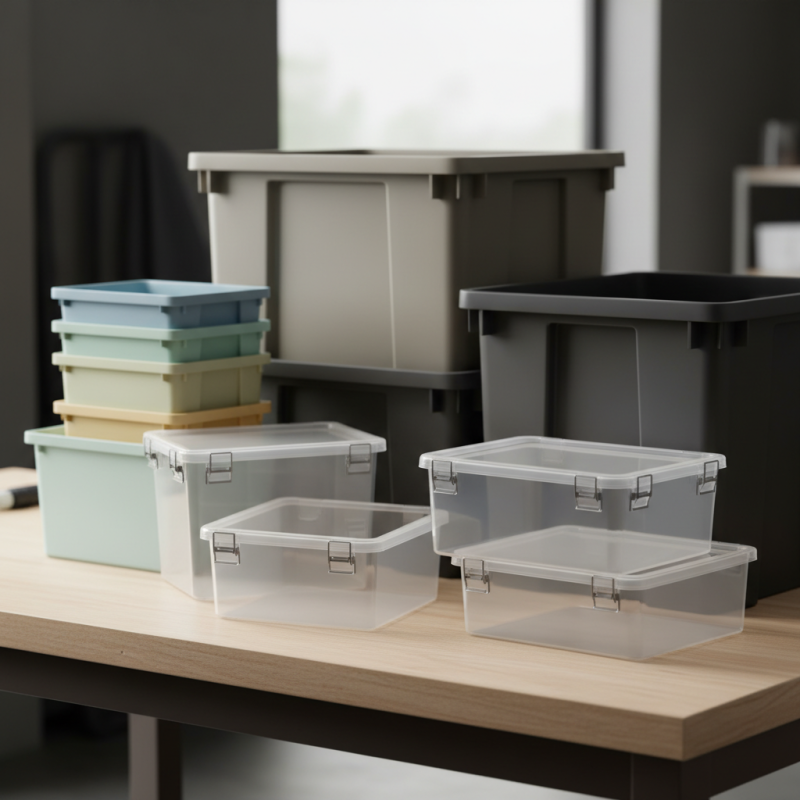
Types of Plastic Boxes and Their Common Uses
When selecting a plastic box, it's essential to understand the types available and their common applications. Storage bins are versatile choices for organizing supplies at home or in the office. These bins come in various sizes, making them ideal for everything from craft materials to office documents. Their durability often ensures long-lasting usage, but be aware that not all bins are created equal.
Food storage containers are another popular type. They help in preserving freshness while preventing spills. It's crucial to check if these containers are microwave and dishwasher safe. Some may not withstand high temperatures. Clarity is a plus, allowing easy identification of contents. Yet, ensure they are leak-proof to avoid accidents.
Lastly, tool organizers cater specifically to DIY enthusiasts. These boxes often feature compartments and removable trays for easy access to small parts. However, they might not be suitable for larger, heavier tools. Reflection on your specific needs will aid your choice. Each type has strengths and weaknesses worth considering in your purchase journey.
How to Choose the Right Plastic Box for Your Needs? - Types of Plastic Boxes and Their Common Uses
| Type of Plastic Box | Common Uses | Material | Size Options | Advantages |
| Storage Bin | Home organization, garage storage | Polypropylene | Small to large | Durable, stackable |
| Food Storage Container | Meal prep, leftovers | Polyethylene | Various sizes | BPA-free, microwave-safe |
| Tool Box | Tool storage, transportation | ABS plastic | Varied dimensions | Weather-resistant, portable |
| Packing Box | Shipping, moving | Polypropylene | Standardized sizes | Lightweight, recyclable |
| Display Box | Retail display, organizing items | Polycarbonate | Custom sizes | Clear visibility, sturdy |
Key Factors to Consider When Choosing a Plastic Box
Choosing the right plastic box can seem daunting. However, focusing on a few key factors can simplify the process. Start by considering the size. It’s essential to know what items you will store. Measure the space before committing. A box that’s too big may waste space, while a small one can lead to clutter.
Material quality is crucial. Different plastics have varying levels of durability. If you’re storing heavy items, select a robust option. If it’s for lightweight usage, a thinner plastic may suffice. Pay attention to the thickness. Thicker plastics tend to offer better protection.
Tip 1: Always check for BPA-free labels. This can ensure safety for food storage.
Consider the box's design as well. Transparent boxes allow visibility, making organization easier. For decorative purposes, choose colored or patterned options. Always reflect on your needs and changing circumstances to ensure your choice remains suitable over time.
Tip 2: Think about stacking capabilities. Boxes that can be stacked save space and help keep areas tidy.
Lastly, think about the lid. Does it seal well? Is it easy to open? A poor lid can compromise your storage efforts. Reflecting on these details makes a huge difference.
Sizing Considerations for Plastic Boxes
When selecting a plastic box, sizing is crucial. The dimensions of your items should guide your choice. If you need to store shoes, measure their length and height. A box that is too small can squish your belongings. Too large, and your items may shift around. This is often overlooked by many.
Consider the box's shape as well. Some boxes are wide and shallow, while others are deep and narrow. The right shape can impact not only storage efficiency but also accessibility. Having a box that fits perfectly in your closet may enhance organization. But, be wary of containers that seem perfect but aren’t practical for your needs.
Height can also influence usability. Tall boxes may waste vertical space, while low-profile boxes can fit under beds easily. A balancing act exists between capacity and accessibility. It’s important to take measurements, but don’t rely solely on dimensions on the label. Real-world application often reveals discrepancies. Adjustments may be necessary based on your own experiences.
How to Choose the Right Plastic Box for Your Needs?
Durability and Material Quality in Plastic Box Selection
Choosing the right plastic box hinges on durability and material quality. This ensures the box can withstand daily use while also protecting its contents. Polypropylene and polyethylene are popular materials, known for their strength and resistance to impact. However, not all plastic boxes are created equally. Some may show signs of wear faster than others. It’s worthwhile to examine the thickness of the plastic. Thicker plastic often translates to greater durability.
Tips: Check the UV resistance of plastic boxes if storing items outdoors. High-quality materials resist fading and degradation from sunlight. Also, consider the environment where the box will be used. For example, extreme temperatures can affect plastic durability.
Look closely at the seams and closures. Poor-quality boxes can buckle or break under pressure. Strong seals and reinforced edges are indicators of a reliable product. Always read reviews to gain insight into longevity and performance. Remember, not every option marketed as durable will meet your expectations. Be ready to reflect on your specific needs before making a choice.
Cost-effectiveness and Budgeting for Your Plastic Box Needs
When selecting a plastic box, cost-effectiveness and budgeting are crucial. Many consumers overlook these aspects, often leading to overspending. According to a survey from the Plastic Industry Association, nearly 50% of individuals do not compare prices before purchasing. This lack of price awareness can result in spending up to 20% more than necessary.
Consider the dimensions and intended use of the box. Smaller boxes may cost less upfront, but larger boxes often provide better value when storing bulk items. A report by Market Research Future indicates that the demand for large plastic containers has risen by 30% in the last five years. This trend highlights the importance of purchasing containers that fit your specific needs over time.
In reality, it’s easy to choose a box impulsively based on appearance. A recent study showed that 40% of consumers regret their choice after realizing it doesn’t meet their long-term needs. This reflection emphasizes the need to analyze practicality and future requirements. Balancing initial costs with long-term value can significantly affect your overall budget and satisfaction.