How to Choose a Modular Trade Show Booth?
Choosing a Modular Trade Show Booth is less about buying attractive panels and more about planning a reliable visitor experience. The right system should fit your brand, event goals, floor space, and transport limits. A ten-by-ten booth may look simple on paper, yet one misplaced counter can block product demonstrations. Small details matter. This guide introduces a practical way to compare layouts, materials, graphics, lighting, storage, and installation support. It also considers what happens after the show, when parts must be packed, labeled, and reused.
Experienced exhibitors usually begin with measurable needs: expected traffic, staff movement, display weight, power access, and the number of events planned. A durable aluminum frame may reduce replacement costs, while fabric graphics can simplify shipping and updates. However, no design works equally well in every venue. Ceiling rules, labor requirements, fire-safety policies, and loading schedules can change the decision. Confirm these details with the organizer and supplier. Reliable documentation is essential. Ask for material specifications, warranty terms, setup instructions, and realistic delivery timelines.
Budget deserves careful testing, not blind trust. A cheaper package can become expensive after rush shipping, graphic revisions, or missing hardware. That lesson is easy to overlook. Weigh the complete ownership cost, including storage and future reconfiguration. At the same time, avoid adding features merely because they look impressive in a showroom. A modest booth with clear messaging may outperform a crowded display. The following outline examines each choice with practical questions, honest limitations, and room for improvement. Your final decision should reflect evidence, venue requirements, and the experience your visitors need.
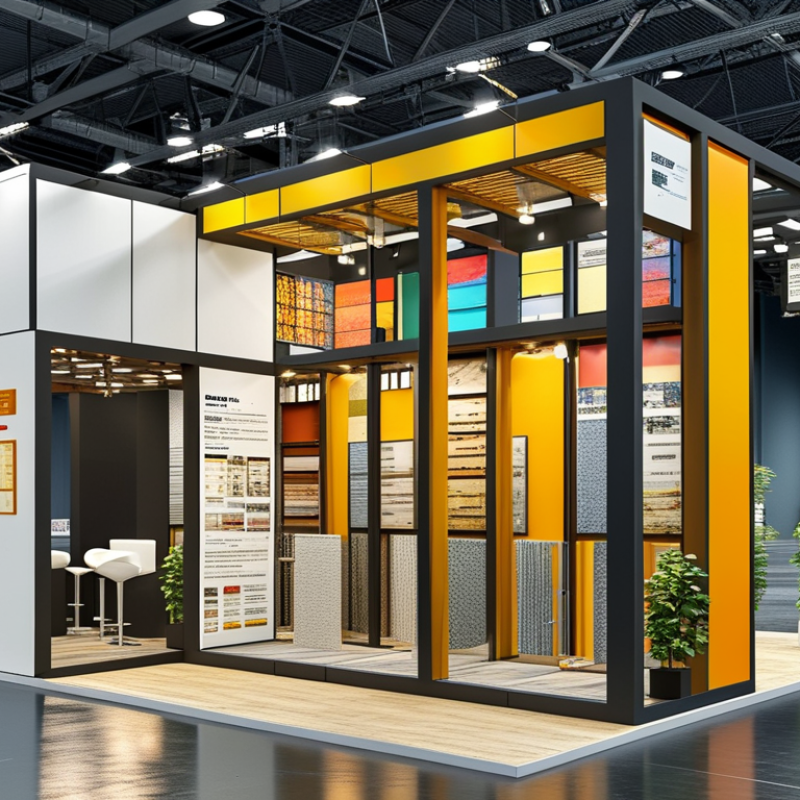
Define Your Trade Show Goals and Space Requirements
How to Choose a Modular Trade Show Booth?
Define Your Trade Show Goals and Space Requirements
A modular trade show booth should begin with a measurable goal, not a visual concept. Are you collecting qualified leads, launching a product, booking demonstrations, or strengthening existing relationships? CEIR research reports that 81% of trade show attendees influence purchasing decisions. Your layout should help those visitors act quickly. For lead generation, provide a visible reception point, two short conversation areas, and a discreet storage zone. For product demonstrations, protect clear sightlines and allow visitors to stand without blocking the aisle. Small details matter.
Measure the space before selecting the booth system. Record the footprint, height limit, hanging-sign rules, power locations, fire exits, and neighboring exhibits. A 10-by-20-foot space may sound generous, yet a counter, display wall, chairs, and storage can consume it quickly. Leave practical circulation space. A beautiful booth can still feel cramped. UFI’s Global Exhibition Barometer continues to show strong international exhibition activity, which means crowded halls and heavy visitor flow should influence your planning. Select modular components that can adapt to different footprints, rather than forcing one fixed design everywhere. In practice, early layouts are often too optimistic. Test them with floor tape, two chairs, and a sample counter before production. Your first drawing may need to lose a wall. That is useful information, not failure.
Set a Realistic Budget for a Modular Booth
A modular trade show booth should begin with a realistic budget, not a dramatic design sketch. UFI’s 2024 Global Exhibition Barometer reported that 70% of surveyed companies expected higher turnover during 2024. That optimism can encourage overspending. Set a firm ceiling before choosing graphics, lighting, flooring, or storage.
Divide the budget into clear sections. Reserve about 25–35% for the exhibit system and hardware. Allocate another 15–25% for graphics, furniture, lighting, and technology. Include freight, installation, dismantling, and venue services separately. The Center for Exhibition Industry Research identifies these operational expenses as major parts of total exhibiting costs. They are easy to underestimate. Very easy.
A contingency fund of 10–15% protects the project from last-minute charges or damaged components. Ask the contractor for an itemized quote, including labor hours, delivery dates, replacement policies, and electrical requirements. The Freeman 2024 Attendee Intentions Report found that 74% of attendees value in-person events for discovering products and services. Your budget should support that experience, not merely create a attractive structure. I still question whether every screen deserves funding. A modular booth often performs better with strong messaging, comfortable meeting space, and reusable graphics. Review the budget after each event. Actual costs may expose weak assumptions.
How to Choose a Modular Trade Show Booth? — Set a Realistic Budget
Illustrative budget allocation for a mid-sized modular booth with a total working budget of $30,000.
A realistic modular booth budget should cover more than the exhibit structure itself. Hardware and graphics typically receive the largest share, while lighting, flooring, shipping, installation, and contingency costs help protect the project from last-minute expenses. Use these proportions as a planning baseline and adjust them to the booth size, venue, show location, and reuse strategy.
Compare Portability, Assembly, and Long-Term Reusability
How to Choose a Modular Trade Show Booth?
Portability matters when your team travels often. A lightweight modular booth can reduce shipping volume and handling effort. CEIR reports that 81% of trade show attendees influence buying decisions. Your booth must therefore open quickly and look credible from every angle. Tool-free frames, numbered connectors, and collapsible counters can shorten setup time. A booth that takes 30 minutes to assemble may protect valuable staff time. Still, very light systems can feel less stable. I learned this after watching a display wobble under a small product shelf.
Assembly affects more than convenience. It influences staff confidence, visitor access, and daily maintenance. Choose parts that one trained person can understand without a thick manual. Reusable graphics and replaceable panels support repeated use. UFI’s Global Exhibition Barometer shows continued exhibition activity across major markets, making reuse financially important. However, reusing everything is not always efficient. Old graphics can weaken a fresh campaign. Design the structure for long-term use, but update visible messaging when needed. That balance is easy to miss.
Tips: Request a packed-dimensions sheet before ordering. Test assembly with two people. Count every connector. Compare storage, shipping, labor, and replacement costs over three events. Ask for fire-safety documentation and material specifications. Do not judge portability by frame weight alone. A compact booth with fragile panels may create higher costs later. Test it in a real room first.
How to Choose a Modular Trade Show Booth? - Compare Portability, Assembly, and Long-Term Reusability
| Booth Type | Typical Footprint | Typical Packed Weight | Typical Assembly Time | Portability | Reconfiguration Flexibility | Expected Reuse Potential | Best Use Case |
| Pop-Up Fabric Display | 8 × 8 ft to 10 × 20 ft | 35–120 lb | 15–45 minutes | Excellent | Limited | About 20–50 events with proper care | Small spaces, frequent travel, and quick promotional setups |
| Tube-and-Fabric Modular Booth | 10 × 10 ft to 20 × 20 ft | 80–250 lb | 1–3 hours | Very good | Good | About 30–75 events with replaceable graphics | Companies needing a lightweight booth with changing layouts |
| Aluminum-Frame Modular Booth | 10 × 10 ft to 30 × 30 ft | 150–600 lb | 3–8 hours | Good | Very good | About 50–100 events when components are maintained | Recurring exhibitions that require counters, shelving, lighting, and storage |
| Hybrid Modular Booth | 10 × 20 ft to 30 × 40 ft | 300–1,000 lb | 6–12 hours | Moderate | Excellent | About 50–100 events, depending on hardware and finishes | Large exhibits requiring stronger structures, monitors, and meeting areas |
| Custom Modular Exhibit | 20 × 20 ft and larger | 600–2,000+ lb | 1–3 days | Limited | Excellent | Often 75+ events with professional refurbishment | High-frequency exhibitions where visual impact and long service life justify logistics |
How to interpret the data: Weight and setup figures are typical planning ranges for hardware, graphics, and basic accessories. Actual values vary with booth size, flooring, lighting, monitors, furniture, packaging, venue rules, and labor requirements. Reuse potential assumes careful packing, routine hardware inspection, and replacement of worn graphics or connectors when necessary.