How to Choose New Label Materials for Your Business Success?
In the fast-evolving landscape of packaging, the choice of New Label Materials is crucial for business success. According to a recent report by Smithers Pira, the global label market is expected to reach approximately $50 billion by 2025. This growth highlights the importance of using innovative materials that can enhance product visibility and brand identity. Industry expert John Mason states, "Choosing the right label materials can significantly impact a company's market performance."
However, selecting New Label Materials is not without challenges. Businesses must consider factors such as durability, print quality, and sustainability. The wrong choice can lead to inefficiencies and higher costs. Research shows that about 30% of companies struggle with label performance issues, affecting their bottom line. Thus, understanding the full range of available materials is vital for making informed decisions.
As companies navigate these choices, they must reflect on their unique needs and customer expectations. The ideal label should not only attract attention but also withstand varying conditions. Balancing aesthetics and functionality can be complex, and it's essential for businesses to stay updated on emerging trends in the label industry.
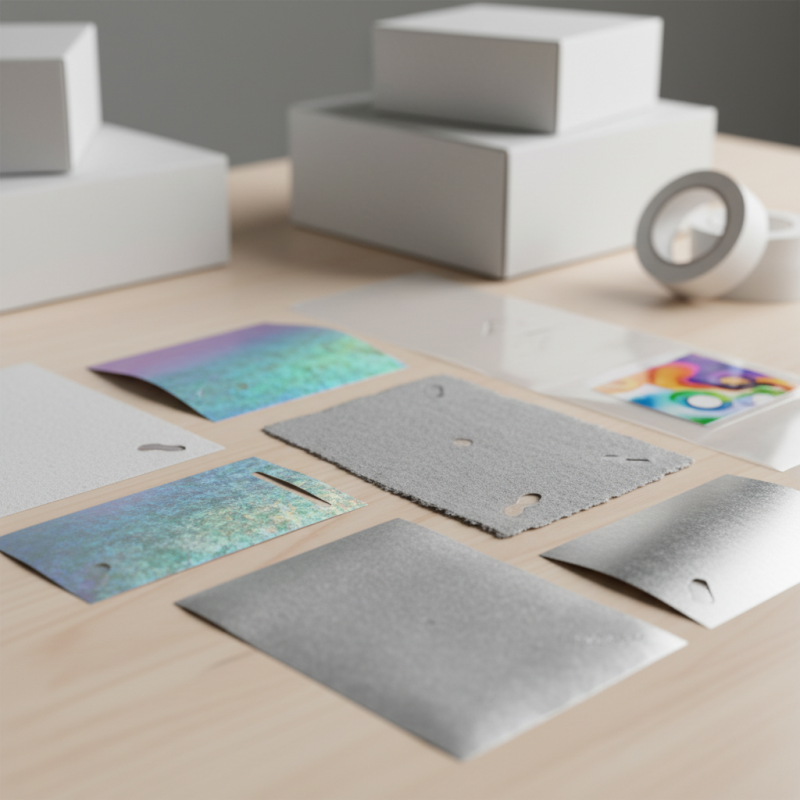
Factors to Consider When Selecting Label Materials for Business Needs
Choosing the right label materials for your business can significantly impact your brand's success. Several factors need careful consideration. The first step is to assess the environment where your labels will be used. Are they exposed to moisture, heat, or chemicals? This will determine whether you need waterproof or chemical-resistant materials.
The type of product also matters. For example, food labels need to withstand refrigeration and contact with oils. On the other hand, shipping labels require durability for transit. Identifying your specific needs helps narrow down your options effectively.
**Tip:** Test various materials in real conditions before making a final decision. Gather samples and apply them in your workspace. Observe how they hold up over time.
Apart from environmental factors, consider the design and printing methods. Some materials work better with certain printing technologies. Understanding your printer and inks will ensure high-quality results. A rough surface may absorb more ink but could impact the clarity of your design.
**Tip:** Consult with professionals in printing technology for guidance. Their expertise can save you time and prevent costly mistakes.
Reflect on how your label choice aligns with brand values. Sustainability is a growing concern; opting for eco-friendly materials can enhance brand reputation. Think about the long-term implications of your selections on your overall business image.
Analyzing the Impact of Label Durability on Product Performance
Choosing the right label materials is crucial for business success. When it comes to product performance, durability plays a significant role. According to a report by Smithers Pira, about 20% of consumers report negative experiences with product packaging. Poor label durability can lead to fading, tearing, or peeling, which directly affects brand perception.
Labels that withstand various conditions ensure long-lasting visibility. For instance, in outdoor settings, labels should resist UV rays and moisture. A study found that products with durable labels saw a 15% increase in customer satisfaction. This indicates that investing in quality label materials pays off in customer loyalty and sales.
However, not all businesses prioritize this aspect. Some choose lower-cost materials that compromise label integrity. This decision can lead to increased returns and damaged reputations. Regular evaluation of label performance against industry standards is essential. Brands must also seek credible sources for material selection to avoid pitfalls.
Impact of Label Durability on Product Performance
Understanding Different Label Adhesives and Their Applications
When selecting label materials, understanding adhesive types is essential. Different adhesives serve distinct purposes, affecting durability and application. For instance, permanent adhesives work well for long-term use, while removable adhesives allow for easy label removal without residue. A recent market research report by Smithers indicates that the global label market is expected to grow by 3.9% annually through 2027. This trend emphasizes the importance of choosing the right adhesive to maximize product appeal.
Tips: Always test samples before committing to bulk orders. Consider the surface texture where the label will be applied. For standard packaging, a general-purpose adhesive suffices. Specialty adhesives are ideal for unique materials, like plastics or metals.
Understanding your application is crucial. Some environments require heat-resistant adhesives. Others may need moisture-resistant options. According to a study by the Adhesive and Sealant Council, more than 30% of label failures are due to inadequate adhesive selection. Businesses must prioritize this aspect. Continuous evaluation and adjustments may be required as market needs shift.
How to Choose New Label Materials for Your Business Success? - Understanding Different Label Adhesives and Their Applications
| Adhesive Type | Description | Best Applications | Temperature Resistance | Special Features |
| Permanent Adhesive | Strong bond that offers durability over time. | Product labeling, shipping labels, and food packaging. | -40°F to 160°F | Water-resistant, UV resistant. |
| Removable Adhesive | Allows labels to be removed cleanly without residue. | Promotional labels, temporary pricing labels. | -20°F to 120°F | Easy to reposition. |
| High-Temperature Adhesive | Designed to withstand extreme temperatures. | Industrial labels, automotive applications. | -65°F to 230°F | Oil-resistant, solvent-resistant. |
| Pressure-Sensitive Adhesive | Bonds to surfaces upon application of pressure. | Labels for various surfaces, including electronics. | -40°F to 180°F | Strong initial tack, versatile. |
Evaluating Sustainability and Eco-Friendliness in Label Materials
Choosing the right label materials can significantly impact your business. Sustainability and eco-friendliness are key factors in this decision. Many consumers today are environmentally conscious. They prefer products with sustainable packaging and labeling. Understanding the materials used in labels is essential for aligning with these values.
Biodegradable labels are becoming popular. They decompose naturally, reducing landfill waste. However, not all biodegradable materials perform well in various environments. You must explore their durability and reliability for your needs. Look into the production processes, too. Eco-friendly materials often use fewer resources but may still have limitations. Analyze their lifecycle impacts to ensure you are making a wise choice.
Recycled materials are another sustainable option. These labels reduce the need for virgin materials. However, their availability can be inconsistent. Supply chain issues may affect your business. It's crucial to think about these factors when selecting labels. Balancing between sustainability and practicality is a challenge. Engaging with suppliers who prioritize eco-friendliness can help you navigate this landscape. Your choices should reflect not only customer preferences but also your commitment to the planet.
Cost-Effectiveness of Various Label Materials and Their ROI on Sales
When choosing label materials, cost-effectiveness is crucial. A study by the Label Industry Global Forecast 2023 suggested that businesses could increase their ROI by choosing the right label material. For example, using durable synthetic labels can reduce replacement costs by 30%. On the other hand, cheaper paper labels might save money upfront but fail to withstand environmental factors, leading to higher long-term costs.
Tips: Consider the lifespan of your labels. Short-term savings can lead to more significant losses later.
Quality matters. Research shows that 70% of consumers notice labels. A compelling design paired with the right material can enhance brand perception. A focus on eco-friendly options is also rising. Markets indicate that 33% of consumers prefer sustainable packaging. This preference often leads to increased sales and customer loyalty.
Tips: Test materials in real-world conditions before making a bulk purchase. What works in the lab may not work in the field. It's essential to balance cost, durability, and aesthetics carefully.