How to Choose the Best Packaging Equipment in 2026?
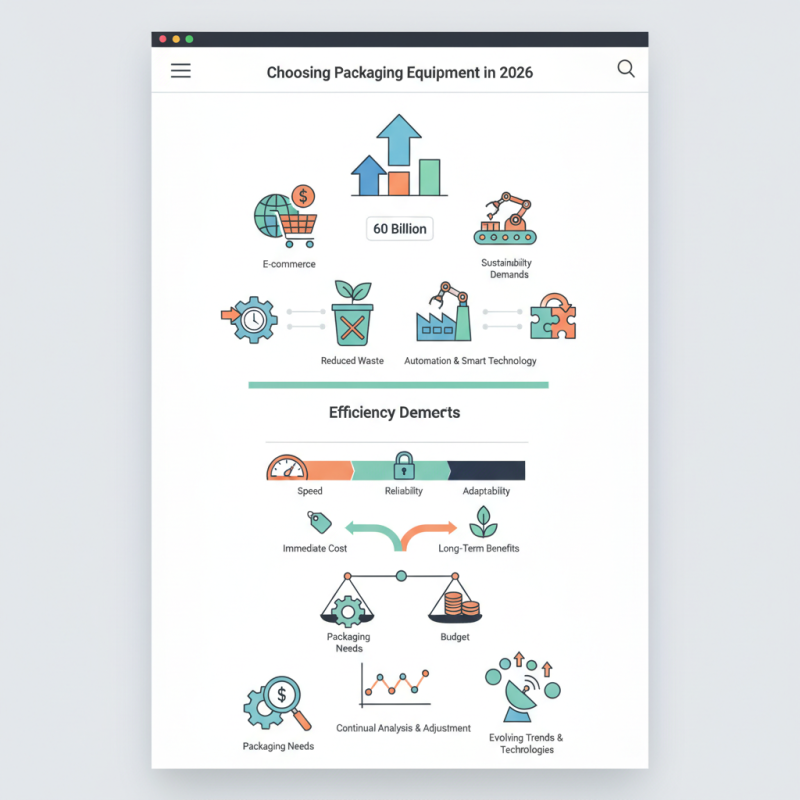
In 2026, choosing the best packaging equipment is critical for businesses. The global packaging equipment market is projected to reach $60 billion, driven by e-commerce and sustainability demands. According to a recent report by Smithers Pira, companies must prioritize efficiency and environmental impact when selecting machinery. Notably, industry expert John Doe states, “The right packaging equipment can significantly enhance production lines and reduce waste.”
As manufacturers face unique challenges, customizing packaging processes becomes essential. The shift towards automation and smart technology complicates decision-making. Companies must evaluate features like speed, reliability, and adaptability to keep pace with market changes. Investing in top-tier packaging equipment is not just about immediate cost but long-term benefits.
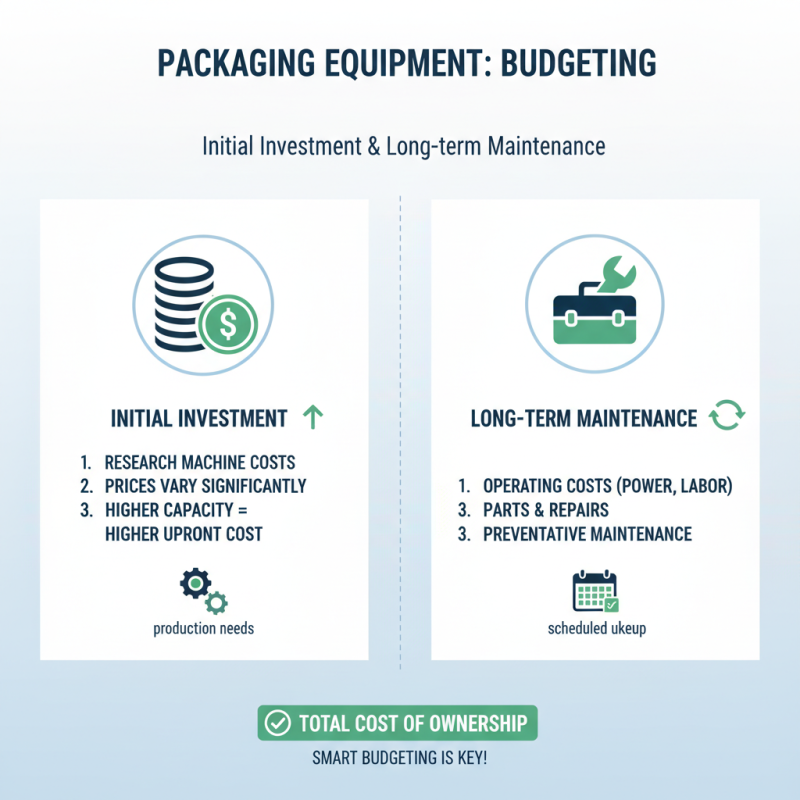
However, making the right choice isn’t always straightforward. Many businesses struggle with aligning their packaging needs and budget. Balancing quality with affordability often leads to difficult compromises. Continual analysis and adjustment are necessary to ensure the selected equipment remains relevant and efficient. Keeping an eye on evolving trends and technologies in packaging equipment is vital for sustained success.
Key Factors to Consider When Selecting Packaging Equipment
Choosing the right packaging equipment is crucial in 2026. Several key factors will influence your decision.
First, consider efficiency. According to the Packaging Machinery Manufacturers Institute, adopting high-efficiency packaging machines can boost production speeds by up to 30%. This increase can significantly impact your bottom line.
Next, think about versatility. Equipment that can handle multiple packaging types is essential. A recent industry report showed that 75% of companies prefer machinery capable of adapting to various package styles. This flexibility is vital for meeting diverse customer demands.
Sustainability should also be a priority. In recent years, 60% of consumers prefer brands that use eco-friendly packaging. Machines that minimize material waste or use recyclable materials may position your brand favorably. However, transitioning to sustainable practices requires investment and a willingness to learn from trial and error. Sometimes, the newest technology may not align with your current processes.
Assessing your operational readiness is critical.
Understanding Different Types of Packaging Equipment Available in 2026
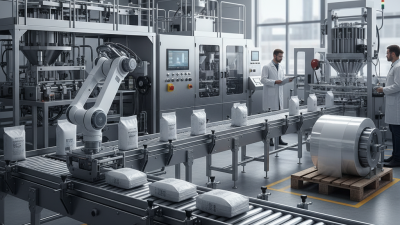
When considering packaging equipment in 2026, understanding the different types available is essential. The landscape of packaging technology is rapidly evolving. This year, you’ll encounter various options, like automated machines, flexible packaging systems, and eco-friendly solutions. Each type serves specific needs and industries, making it crucial to choose wisely.
Automated machines streamline workflow and minimize human intervention. They are beneficial for high-volume producers. In contrast, flexible packaging solutions offer versatility. These systems adapt to different products and sizes, yet they may require more initial setup time. Eco-friendly packaging is increasingly popular. It reflects a commitment to sustainability, but it may come with cost considerations.
Choosing the right equipment is not just about features or price. Consider space requirements, maintenance, and training needs. Reflect on your production goals and the type of products you will package. The wrong choice could lead to inefficiencies or increased costs, so carefully weigh the advantages and drawbacks of each option.
Evaluating Your Production Needs and Volume Requirements
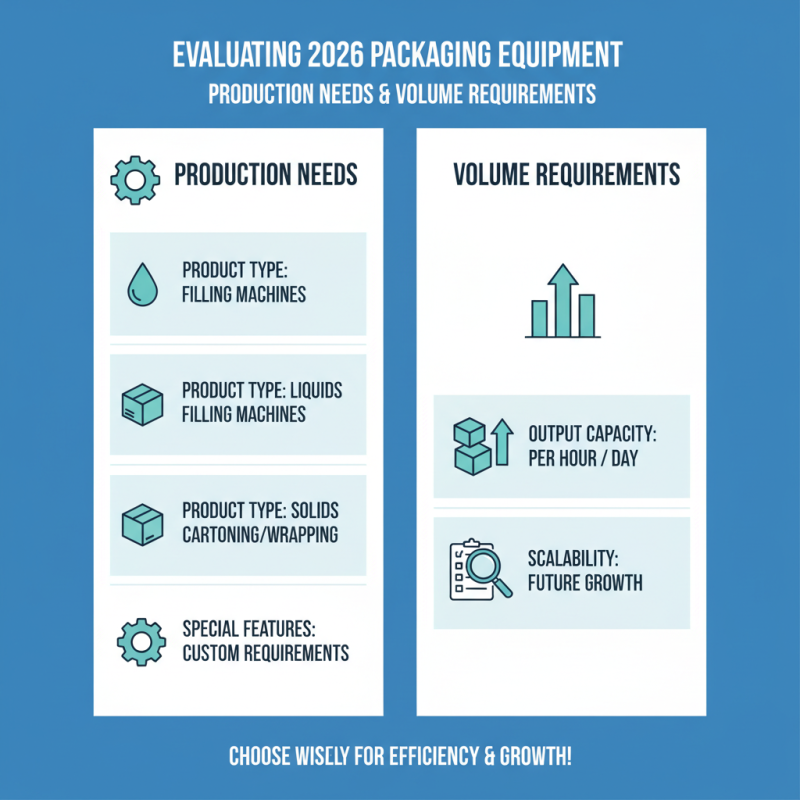
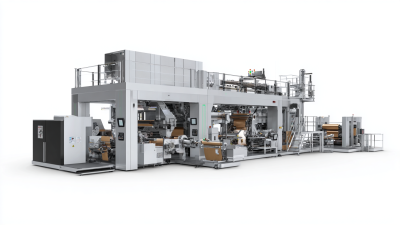
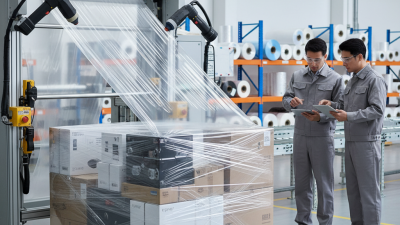
When selecting packaging equipment in 2026, production needs come first. Analyze the types of products you will package. Different items require different machines. If you manufacture liquids, a filling machine is essential. Solid goods may need a cartoning or wrapping solution. Each option has unique features suited for specific requirements.
Next, consider your volume needs. Assess your output limits. Are you running small batches or high volumes? High-speed packaging machines work well for large operations. Smaller businesses might start with manual or semi-automatic equipment. You could face challenges if you invest in machinery that outstrips your production capacity.
Evaluate the space available in your facility too. Equipment can be bulky and requires proper setup. Check if your workspace can accommodate future needs. Sometimes, flexibility is key, allowing adjustments as demand fluctuates. Don’t neglect maintenance aspects. Regular upkeep ensures longevity and efficiency, which is vital for any production line.
Assessing Technological Advancements in Packaging Equipment
In 2026, selecting the best packaging equipment hinges on understanding the latest technological advancements.
Automation continues to dominate the field.
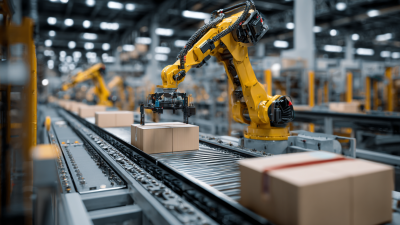
Advanced robotic systems can now handle diverse packaging tasks with precision and speed.
These technologies reduce labor costs and improve consistency.
However, not all advancements may suit every business model. It's crucial to evaluate whether such systems can integrate seamlessly into existing operations.
Sustainability is another key consideration.
Eco-friendly packaging materials are gaining ground.
Equipment that reduces waste while maintaining quality is a focus for manufacturers.
Yet, many companies struggle to adopt these new practices. Transitioning to sustainable options may require an initial investment,
but the long-term benefits often outweigh the costs.
Balancing sustainability with efficiency remains a challenge for many.
Furthermore, user-friendly interfaces are becoming standardized.
Intuitive designs allow for simpler training and operation.
This trend aims to reduce errors and increase productivity.
However, the speed of technology can be overwhelming.
Businesses must continuously assess whether their teams can keep up with new tools before implementation.
Constant monitoring and adjustments are essential to successfully utilize these innovations.