How to Choose the Best Case Packing Solutions in 2026?
As industries continue to evolve, the demand for efficient case packing solutions has dramatically increased. In 2026, businesses must prioritize technology and sustainability in their packaging strategies. According to the latest report by Smith & Associates, 75% of companies plan to invest in advanced case packing systems to enhance productivity.
Expert Linda Carter, a renowned specialist in case packing solutions, emphasizes the importance of this shift. She states, "Adapting to consumer demands requires innovative case packing technologies that optimize operations." This insight reflects the industry's growing focus on not only speed but also ecological responsibility.
Choosing the right case packing solution is not just about immediate efficiency. Companies must also foresee potential challenges, such as adapting to diverse product sizes and fluctuating market needs. As organizations strive for operational excellence, reassessing existing strategies can reveal shortcomings that need to be addressed.
Understanding the Importance of Case Packing Solutions in 2026
In 2026, understanding the importance of case packing solutions is crucial for businesses aiming for efficiency. As the market evolves, packaging plays a critical role in supply chain management. Proper case packing reduces damage during transit and maximizes storage space. Efficient packing enhances workflow and can significantly lower costs.
Tips for choosing the right case packing solutions include assessing your specific product dimensions and weight. Every product has unique requirements. Evaluate how each packing method impacts shipping times. A well-chosen solution ensures products arrive safely and quickly. Analyze the technology involved. Automation in case packing can increase efficiency but requires proper training for staff.
Don’t overlook sustainability. Eco-friendly materials can enhance brand reputation while attracting eco-conscious consumers. Yet, not all sustainable options are practical. Evaluate the balance between environmental goals and operational needs. Regularly revisit your packing strategies. The industry is dynamic, and what works today may not be effective tomorrow.
Case Packing Solutions Analysis for 2026
Key Factors to Consider When Selecting a Case Packing Solution
Choosing the right case packing solution can significantly impact a company's efficiency and cost structure. When evaluating options, consider automation levels. A report from the Packaging Machinery Manufacturers Institute indicates that automated case packing can improve speed by up to 30%. It streamlines operations but also requires a substantial upfront investment.
Assessing the flexibility of the solution is essential. Standalone machines may be limited in adjusting to different product sizes. In contrast, modular systems can adapt to various tasks. According to recent industry findings, companies that invest in flexible automation typically see a return on investment within 1.5 to 2 years. However, companies should ponder if they have the resources to implement and maintain these systems effectively.
Consider energy efficiency as well. Sustainable solutions are gaining traction in packing machinery. Studies show that energy-efficient machines can reduce operational costs by approximately 20%. While they offer long-term savings, the initial costs can be daunting. Analyze both upfront costs and operational savings over time for a clearer picture. Selecting the best case packing solution requires careful evaluation of these factors to align with business goals effectively.
Evaluating Different Types of Case Packing Technologies Available
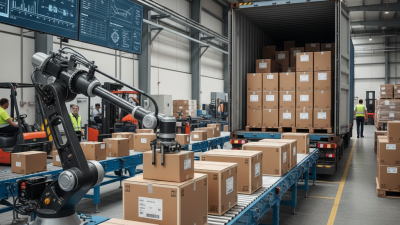
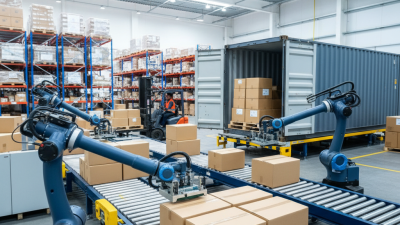
When considering the best case packing solutions in 2026, it’s essential to evaluate various technologies available. Current reports suggest that automation in case packing can enhance efficiency by up to 30%. Integrated robotic systems are gaining popularity due to their flexibility and speed. These systems can easily adapt to different product types, allowing for quick changes during production runs.
For companies under pressure to increase throughput, semi-automated packing machines may offer a balanced alternative. They provide a robust solution while requiring a smaller upfront investment. The latest data indicates that semi-automated systems can reduce labor costs by approximately 20%. However, this type of solution may lack scalability and could demand additional upgrades in the future.
When selecting a case packing technology, evaluate your specific needs. Consider factors such as product dimensions, packing speed, and available space. Automation introduces not only efficiency but also complexity. Balance the benefits of advanced technology with ease of integration into existing systems. Understanding your unique requirements is crucial for making informed decisions.
Assessing Cost-Effectiveness and ROI of Packing Solutions
When evaluating packing solutions in 2026, cost-effectiveness and return on investment (ROI) are paramount. Selecting the right technology can lead to substantial savings. According to a recent industry report, companies that embraced automation saw an average ROI of 20% within the first year. This is significant when considering that packing accounts for 10-15% of overall logistics costs.
However, not all solutions yield the same results. An analysis of varied packing methods indicated that underperforming systems can lead to hidden costs. A poorly designed packing line can slow operations and increase labor costs. In contrast, advanced packing solutions, such as automated case packers, can enhance speed and accuracy. The potential decrease in product damage improves overall efficiency, which many organizations often overlook.
Investing in the right packing technology requires careful evaluation. Companies should assess not only the initial cost but also the long-term benefits. Industry research suggests that integrating new packing solutions could enhance operational productivity by up to 30% over five years. Yet, the challenge lies in balancing upfront investments with achievable results. Many organizations may inadvertently prioritize immediate savings over strategic, sustainable solutions.
Future Trends in Case Packing Solutions for Enhanced Efficiency
As we look toward 2026, the landscape of case packing solutions continues to evolve rapidly. Automation is at the forefront of these advancements. More companies are adopting robotic systems to streamline their packing processes. Robotics can increase speed and reduce errors, but they also require significant investment and regular maintenance. It's important to weigh these factors carefully.
Data-driven solutions are gaining traction. Advanced software for case packing can analyze production rates and optimize packing patterns. This leads to a more efficient use of materials and time. However, relying heavily on data can create challenges. Data accuracy issues can mislead decisions. Companies must ensure their systems are reliable and validate findings regularly.
Sustainability is becoming crucial. Eco-friendly packing materials are preferred. Many organizations are committing to reducing plastic use. This movement toward greener solutions is commendable, but transitioning to new materials can pose challenges. Compatibility with existing equipment and processes must be considered. Businesses should conduct thorough testing before implementing changes. The journey toward enhanced efficiency in case packing requires thoughtful planning and consistent evaluation.