Why Choose Stretch Film for Your Packaging Needs?
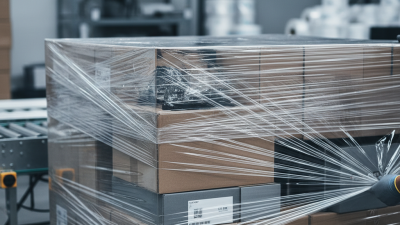
When considering effective packaging solutions, stretch film stands out as a versatile option. This powerful material has gained popularity due to its ability to secure and protect various products. Whether it's for shipping or storage, stretch film offers unrivaled stability and durability.
Many businesses overlook the advantages of stretch film. Its elasticity enables it to cling tightly to items, reducing the risk of damage during transportation. Additionally, stretch film is lightweight and reduces shipping costs. However, some users may struggle with proper application, leading to wasted material.
Finding the right stretch film for your needs can be challenging. Numerous types exist, each with specific functionalities. Experts suggest assessing your products and intended use before making a choice. While stretch film offers numerous benefits, awareness of its limitations is essential for maximizing its effectiveness.
Benefits of Stretch Film in Packaging: A Comprehensive Analysis
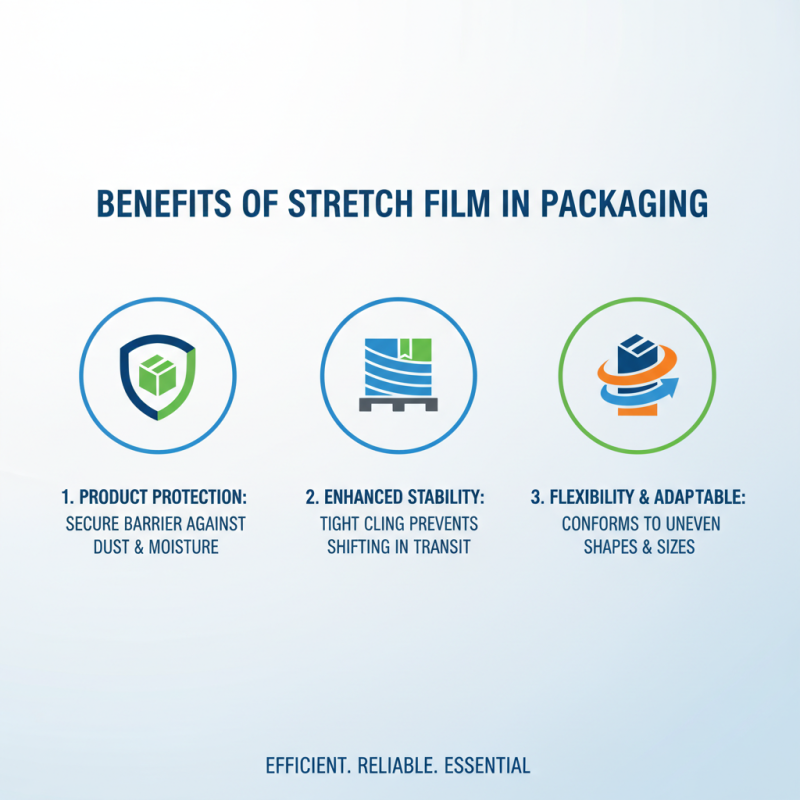
Stretch film plays a vital role in packaging, offering various benefits that enhance product safety and efficiency. Its ability to cling tightly to products creates a secure barrier against dust and moisture. This protective layer is crucial for businesses that rely on safe transportation of goods. Additionally, stretch film is highly flexible. It wraps around uneven surfaces easily, adapting to different shapes and sizes.
One major advantage is cost-effectiveness. Stretch film generally requires less material compared to other packaging options. This leads to reduced waste and lower shipping costs. However, while it offers significant benefits, users must consider the potential downsides. Not all stretch films are created equal. Some may lack sufficient strength or durability, resulting in product damage. It's important to evaluate the quality of the film before use.
Another aspect to think about is environmental impact. While many stretch films are recyclable, not all facilities accept them. This can lead to challenges in waste management. Companies must stay informed about recycling options in their area. As we assess the merits of stretch film, weighing benefits against these considerations is crucial for making informed packaging choices.
Market Trends: Growth of Stretch Film Usage in Various Industries
The demand for stretch film in various industries has seen remarkable growth. According to a report by Transparency Market Research, the global stretch film market was valued at over $9 billion in 2022 and is projected to grow at a CAGR of around 5% through 2032. This rising usage reflects its versatility and effectiveness in protecting goods during transportation and storage. Industries like food and beverage, pharmaceuticals, and consumer goods are significant contributors to this trend.
The food and beverage sector, in particular, has embraced stretch film due to its ability to enhance shelf life and prevent spoilage. The global food packaging market is expected to exceed $500 billion by 2025, driven by the need for waste reduction and product preservation. Stretch film’s recyclability and cost-effectiveness are additional factors promoting its adoption.
**Tip:** When choosing stretch film, consider the thickness and strength required for your specific application. Thicker films provide better durability, while thinner options may be more cost-effective for lighter loads.
In the pharmaceutical industry, the use of stretch film is critical for maintaining product integrity. Properly wrapped medication helps reduce contamination risk. However, the challenge lies in balancing material sustainability with protective qualities. Manufacturers are urged to invest in research for eco-friendly stretch film alternatives that meet compliance standards while delivering performance.
**Tip:** Always check the film's specifications to ensure it meets regulatory requirements for your industry. Compliance can prevent costly recalls or incidents.
Why Choose Stretch Film for Your Packaging Needs? - Market Trends: Growth of Stretch Film Usage in Various Industries
| Industry |
Market Share (%) |
Growth Rate (CAGR, %) |
Key Drivers |
| Food & Beverage |
30 |
5.5 |
Increased demand for packaged goods |
| Pharmaceuticals |
20 |
4.8 |
Need for hygiene and safety |
| Consumer Goods |
25 |
6.1 |
E-commerce growth |
| Electronics |
15 |
5.0 |
Rising demand for durable packaging |
| Construction |
10 |
3.7 |
Need for protection of materials |
Key Characteristics of Stretch Film: Why It Stands Out in Packaging
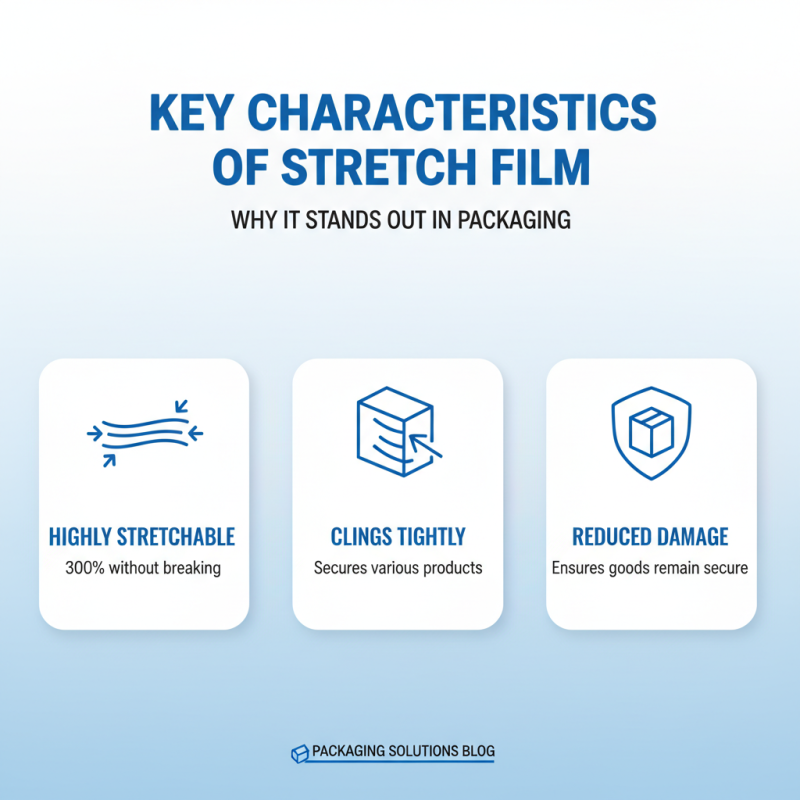
Stretch film has emerged as a top choice for packaging needs due to its distinct features. This material is highly stretchable, allowing it to cling tightly to various products. According to industry reports, stretch film can stretch up to 300% of its original size without breaking. This elasticity ensures that goods remain secure during transport, reducing the risk of damage.
Another key characteristic is its durability. Stretch film provides excellent puncture resistance, essential for protecting fragile items. Studies indicate that 80% of shipments experience some form of movement during transport. Stretch film's ability to withstand this dynamic environment helps maintain product integrity. Furthermore, its transparent nature allows for easy visibility of the items, which aids in inventory management and quality control.
However, challenges exist in the application of stretch film. Improper usage can lead to inadequate load containment. Additionally, the environmental impact of plastic wrap raises concerns. The industry is working on solutions, such as biodegradable options, to address these issues. While stretch film remains a reliable option, it is crucial to continually assess its effectiveness and sustainability in packaging practices.
Sustainability Aspects: Eco-Friendly Options in Stretch Film Solutions
Stretch film has been a popular choice for packaging due to its versatility and strength. However, today's consumers are increasingly focused on sustainability. Eco-friendly options in stretch film solutions have emerged to meet this demand. These films are often made from recycled materials and can be recyclable themselves. Brands seeking to reduce their environmental impact can benefit greatly from these innovations.
Many eco-friendly stretch films are designed to reduce plastic waste while maintaining packaging efficiency. They use less material, which decreases overall consumption and production energy. Some options feature additives that enhance biodegradability. Such products aim to minimize their carbon footprint but may not always perform like traditional films.
Choosing sustainable stretch film involves weighing options carefully. While they may be slightly more expensive upfront, the long-term benefits to the environment can outweigh initial costs. It’s essential to evaluate the specific needs of your packaging and the sustainability goals of your business. Eco-friendly solutions must also align with performance requirements to ensure they do not compromise the integrity of packed goods.
Cost-Effectiveness of Stretch Film: Enhancing Efficiency and Reducing Waste
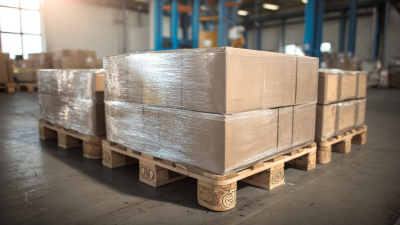
Stretch film is an excellent choice for packaging due to its cost-effectiveness. It not only enhances efficiency but also helps in reducing waste. The material is lightweight and versatile, making it perfect for bundling items together securely. This means businesses can save on shipping costs. When products are securely wrapped, the risk of damage during transit decreases significantly.
One important tip for using stretch film is to ensure you select the right thickness and type for your products. Selecting a thicker film may provide better protection, but it also can increase costs. Assess your needs carefully to find a balance that works for you. Also, consider proper training for your packaging team. Their skills in applying stretch film can influence both effectiveness and waste levels.
Reducing waste while using stretch film is achievable. Stretch film uses less material compared to traditional packaging. However, improper usage may lead to excess waste. Inspect your wrapping techniques regularly. Look for areas of improvement to reduce material waste. This commitment to efficiency can lead to long-term savings and a positive environmental impact.