How to Choose the Best Industrial Shrink Wrap for Your Needs?
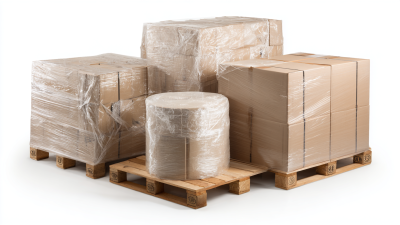
When selecting the best industrial shrink wrap, understanding your specific needs is crucial. The global industrial shrink wrap market is projected to reach USD 2.3 billion by 2027, according to a recent report by Market Watch. This growth reflects the increasing demand across various sectors, including manufacturing and logistics. Experts emphasize that choosing the right material can significantly impact the efficiency and safety of your operations.
James Parker, a renowned industry expert, states, “Investing in quality industrial shrink wrap is more than a choice; it's a necessity.” Industrial shrink wrap not only protects products from environmental factors but also enhances branding through custom prints. The key is to evaluate factors like thickness, UV resistance, and application methods. Misjudging these can lead to inadequate protection or wastage.
While many options exist, not every type will fulfill your objectives. Weighing the benefits of each material against your specific usage can be challenging. As you navigate these options, remember that careful consideration can prevent costly mistakes and ensure your products receive the protection they deserve.
Factors to Consider When Selecting Industrial Shrink Wrap Materials
Choosing the right industrial shrink wrap involves several key factors. The type of materials plays a crucial role in durability and effectiveness. Consider the thickness of the wrap. Thicker materials often provide better protection. However, they can be more challenging to work with. Striking a balance is essential.
Look at the specific applications of the shrink wrap. Different projects may require varying levels of clarity, strength, or resistance to elements. For instance, if the wrap is used outdoors, it must withstand UV rays and moisture. In contrast, indoor applications may prioritize a clearer finish over weather resistance.
Evaluate compatibility with your machinery too. Some shrink wraps are easier to handle than others. This can affect efficiency during application. Additionally, consider the cost versus the quality of the wrap. Cheaper options might not offer the same level of protection. Sometimes, investing more upfront leads to savings in the long run. Reflect on these factors to make a well-informed choice.
Understanding Different Types of Shrink Wrap: PVC, Polyolefin, and PE
When selecting industrial shrink wrap, understanding the different types is crucial. PVC shrink wrap is often a go-to for many applications. It provides excellent clarity and is relatively affordable. However, it can be less flexible compared to other materials. In colder temperatures, PVC may become more brittle, potentially leading to product damage.
Polyolefin shrink wrap is another popular option. It offers superior strength and puncture resistance. This type is versatile, making it suitable for many products. The material is also more flexible than PVC, allowing for better handling and application. However, it might not provide the same level of clarity, which can be a drawback for some uses.
PE, or polyethylene shrink wrap, is the most basic type. It is great for outdoor applications. This material is durable against moisture and UV rays. PE does not shrink as tightly as PVC or polyolefin. This can lead to a less polished look. Each type has its pros and cons. The right choice ultimately depends on the specific requirements of your project. Being well-informed is key to making the best decision for your needs.
Comparative Analysis of Industrial Shrink Wrap Types
Assessing the Thickness and Strength of Shrink Wrap for Durability
When assessing shrink wrap options, thickness and strength are key factors. The right choice ensures that your products remain secure during transport.
Standard shrink wrap thickness ranges from 60 to 150 microns. Thicker wraps provide better puncture resistance. A report from the Flexible Packaging Association states that thicker materials can reduce damages by up to 30%.
Durability is also influenced by the strength of the material. Films engineered with additives can enhance UV resistance and tear strength. For example, a study from the Packaging Journal found that wraps with enhanced strength can withstand varying temperatures without compromising integrity. Proper durability assessments are crucial for cost-effectiveness.
Choosing the wrong thickness can lead to increased costs in both materials and potential product damage.
Evaluating your specific needs may require testing different wraps. Often, companies find that a balance between cost and performance results in a more effective solution. Some may opt for lower thickness to save money, but this can lead to higher losses.
Reflecting on past experiences can guide better future decisions. Evaluating both the environment and the type of products can aid in making a more informed choice.
Evaluating Shrink Wrap's UV Resistance and Weather Resistance Properties
When choosing industrial shrink wrap, it's essential to evaluate its UV resistance and weather resistance. These properties determine how well the wrap performs in different environments. UV-resistant shrink wrap protects against fading and deterioration from sunlight exposure. This is particularly important for long-term outdoor applications. Weather resistance ensures that the wrap can withstand various elements, such as rain, wind, and snow.
Tip: Always check the manufacturer's specifications for UV and weather resistance ratings. This will give you a better idea of how the wrap will perform in your specific conditions. You may find that some wraps excel in certain environments but fall short in others.
Understanding the importance of these properties is crucial. Not all shrink wraps are created equal. Some may promise outstanding performance but fail in real-world situations. Poor weather resistance can lead to damage during storms, while inadequate UV protection can result in rapid degradation under sunlight.
Tip: Perform small tests before a full application. This can help identify weaknesses in the wrap. Investing time in the right material now can save you money in the long run. Choose wisely.
Determining Cost-Effectiveness and Volume Needs for Your Shrink Wrap Usage
When selecting industrial shrink wrap, understanding cost-effectiveness and volume needs is paramount. Evaluate your specific applications before diving into choices. What are you packaging? Is it small items or large machinery? The size and quantity of items often dictate the type of wrap you need. Larger items require heavier wraps, which can be more expensive.
Consider the frequency of use as well. Purchasing in bulk may reduce your costs significantly. However, if you only need shrink wrap occasionally, buying smaller quantities can prevent waste. Think about how long you plan to store items as well. The material's durability affects long-term storage efficiency. Being mindful of these details helps avoid spending on unnecessary materials.
Any industry professional knows that not every shrink wrap will fit all applications. Each setting has unique demands. If you've chosen a wrap, test it out. Reflect on its performance. Does it hold up under pressure? Could alternatives be more suitable? Such questions can guide future decisions. Gathering feedback from your team can also offer valuable insights.