How to Choose the Best Case Packaging for Your Products Efficiently
In the competitive landscape of product distribution, the significance of selecting the right case packaging cannot be overstated. As industry expert Dr. Emily Griffin, a renowned packaging strategist, aptly states, "Effective case packaging not only protects your product but also serves as the first point of communication with your consumer." This highlights the dual role that case packaging plays in ensuring product integrity and conveying brand messaging.
When considering how to choose the best case packaging efficiently, businesses must assess factors such as material strength, sustainability, cost-effectiveness, and consumer appeal. Each aspect contributes to the overall success of the product, affecting everything from transit durability to shelf presence. By adopting a strategic approach to case packaging selection, companies can enhance their operational efficiency while also meeting evolving consumer expectations for environmentally friendly and eye-catching designs.
The process of selecting the most appropriate case packaging involves not just technical considerations, but also an understanding of market trends and consumer behavior. As we delve into the nuances of case packaging, we will explore essential strategies that businesses can implement to streamline their decision-making process and achieve optimal packaging outcomes.

Understanding the Importance of Case Packaging in Product Distribution
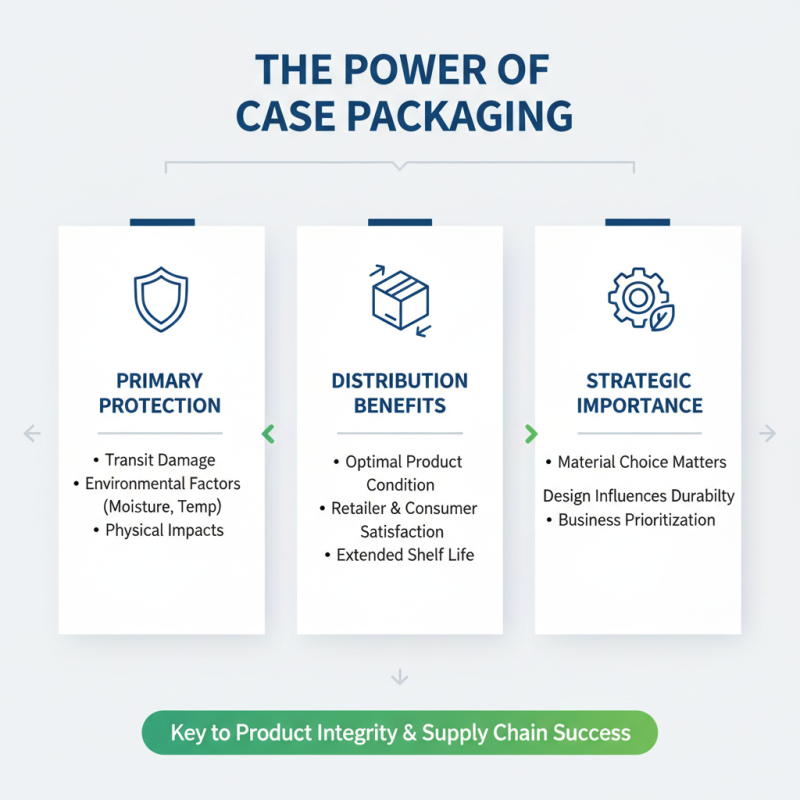
Case packaging plays a crucial role in the product distribution process, serving as the first line of defense against damage during transit. It protects products from environmental factors like moisture, temperature fluctuations, and physical impacts while ensuring they reach retailers and consumers in optimal condition. The choice of packaging materials and design can significantly influence the product's durability and shelf life, making it essential for businesses to prioritize effective case packaging strategies.
In addition to protection, case packaging also facilitates efficient handling and storage. Well-designed packaging improves stacking capabilities and maximizes space, making transportation more efficient and cost-effective. Furthermore, attractive and functional case packaging can enhance brand visibility and consumer appeal at the point of sale, influencing purchasing decisions. Understanding these elements is key for businesses aiming to streamline their distribution processes while maintaining product integrity and boosting sales.
Assessing Product Characteristics to Inform Packaging Decisions
When selecting the optimal packaging for your products, the characteristics of the items themselves play a crucial role in the decision-making process. Start by evaluating the physical attributes of your products, such as size, weight, and fragility. For instance, heavier or bulkier items may require sturdier materials to withstand shipping and handling, while delicate products might benefit from cushioned or padded packaging to prevent damage. Assessing these aspects allows you to identify packaging solutions that not only protect the product but also enhance the overall consumer experience.
Additionally, consider the storage and shelf-life characteristics of your products. If your items are perishable or susceptible to environmental factors, selecting packaging that offers insulation or moisture resistance will be essential. Furthermore, think about the display aspects of your packaging; products that need to stand out on retail shelves should feature designs that convey their unique selling propositions clearly. By melding functionality with aesthetic appeal, you can ensure that your packaging not only serves its purpose but also attracts potential buyers effectively.
How to Choose the Best Case Packaging for Your Products Efficiently - Assessing Product Characteristics to Inform Packaging Decisions
| Product Type |
Dimensions (L x W x H) |
Weight (grams) |
Packaging Material |
Shelf Life (months) |
Transportation Method |
| Electronics |
30 x 20 x 5 cm |
1500 |
Corrugated cardboard |
24 |
Air freight |
| Food Products |
10 x 15 x 5 cm |
500 |
Plastic wrap |
12 |
Ground transport |
| Cosmetics |
15 x 10 x 5 cm |
200 |
Glass jar |
36 |
Air freight |
| Apparel |
40 x 30 x 5 cm |
300 |
Polybag |
12 |
Ground transport |
Evaluating Packaging Materials and Their Environmental Impact
When evaluating packaging materials for products, it is essential to consider not only functionality and cost but also the environmental impact. According to a 2021 study by Smithers Pira, the global market for sustainable packaging is projected to reach $500 billion by 2024, driven by increased consumer demand for eco-friendly solutions. This shift is prompting manufacturers to reassess the materials they use, focusing on options such as biodegradable plastics, recycled paper, and plant-based materials that minimize carbon footprints.
Furthermore, a report by the Ellen MacArthur Foundation revealed that only 9% of plastic globally is recycled, emphasizing the urgent need for brands to transition to sustainable packaging practices. Companies that prioritize eco-friendly materials not only contribute to reducing waste but also enhance their brand image, as consumers are increasingly making purchasing decisions based on a company's environmental responsibility. Transitioning to materials with a lower environmental impact can lead to long-term benefits, including cost savings through reduced waste disposal and potential tax incentives for green initiatives. By carefully evaluating packaging materials, businesses can align with sustainability goals while continuing to meet the needs of their customers.
Packaging Material Comparison - Environmental Impact
Analyzing Cost vs. Efficiency in Choosing Case Packaging
When selecting case packaging for your products, one of the primary considerations is the balance between cost and efficiency. Cost-effectiveness is often scrutinized, but it must be weighed against the overall efficiency of the packaging solution. Low-cost materials may reduce immediate expenses but could lead to higher shipping costs, increased breakage, or customer dissatisfaction over time. Thus, investing in durable, efficient packaging can enhance the overall value of the product and ensure customer loyalty.
Efficiency also encompasses various logistical aspects, including the ease of handling, storage, and transportation. Selecting packaging that optimizes space usage can significantly lower shipping costs and improve supply chain management. Additionally, packaging that is easy to assemble and disassemble reduces labor costs and time, making it more appealing from an operations standpoint. Ultimately, the decision on case packaging should integrate both financial considerations and the practical implications of product performance in the market, ensuring a well-rounded approach that supports sustainable business practices.
Testing and Refining Packaging Solutions for Optimal Performance
When it comes to packaging, testing and refining your solutions is crucial for ensuring optimal performance. Start by assessing the specific needs of your product. Consider factors such as weight, fragility, and environmental conditions during transit. Conduct tests to simulate shipping scenarios, which can reveal weaknesses in your packaging design. This process allows you to gather data on how well your packaging protects products and holds up over time.
Tips: Use drop tests to evaluate how your packaging withstands impacts. Additionally, invest in material testing to confirm durability and resistance to various environmental factors. Engaging with focus groups can also provide valuable insights; gather feedback on packaging usability and aesthetics, which can guide your refinements.
Iterate based on the testing results. Make adjustments to materials, designs, or dimensions as necessary. Document each change and its impact on performance to create a record that aids future packaging decisions. By emphasizing testing and refinement, you'll develop a packaging solution that not only protects your products but also enhances customer satisfaction.