China Top Case Packaging Solutions for Global Buyers?
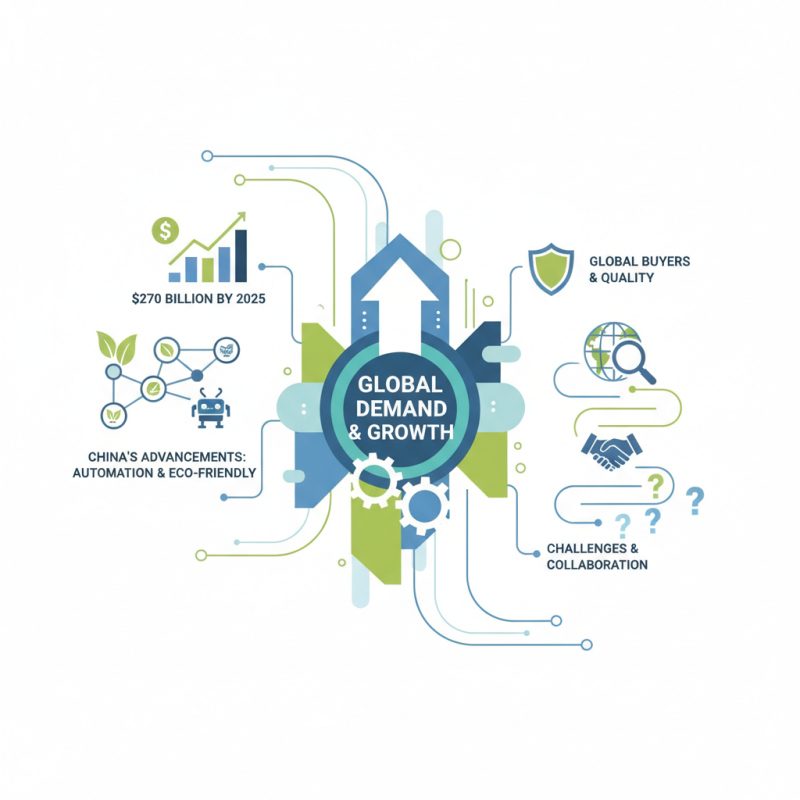
As the global demand for efficient and sustainable packaging continues to rise, case packaging stands out as a critical solution. According to a report by Smithers Pira, the global market for case packaging is projected to reach $270 billion by 2025. This significant growth is fueled by the increasing need for protection and branding in shipping.
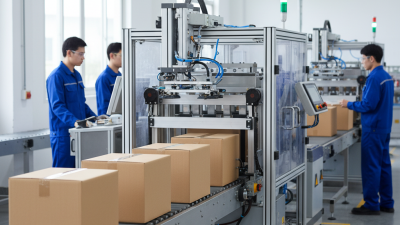
In China, advancements in case packaging technology are shaping market dynamics. The focus on automation and environmentally friendly materials has enhanced efficiency and reduced waste. A recent study indicates that over 70% of Chinese packaging companies are investing in innovative case packaging solutions. However, challenges remain. Many manufacturers struggle to keep up with rapid market changes and consumer expectations.
Global buyers looking to source case packaging from China can benefit from its vast expertise. Yet, navigating the complexities of quality control and regulatory compliance can be daunting. It is essential for buyers to collaborate closely with manufacturers to ensure that their packaging solutions align with international standards.
Overview of Case Packaging Solutions in China
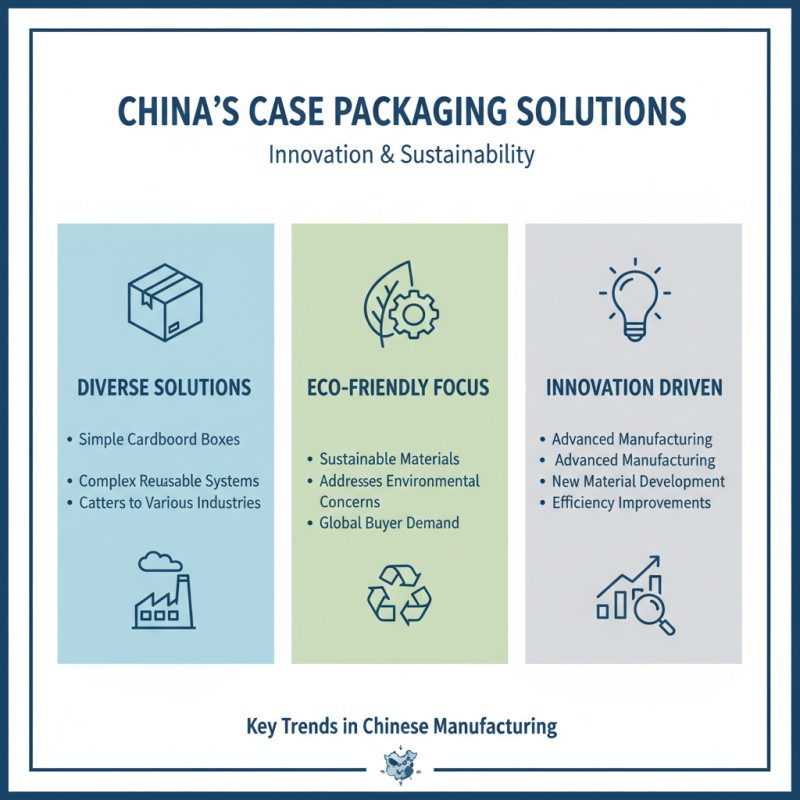
Case packaging solutions in China are diverse and cater to various industries. These solutions range from simple cardboard boxes to complex reusable packaging systems. The focus is on innovation and sustainability, with many manufacturers prioritizing eco-friendly materials. This shift addresses rising environmental concerns while meeting the demands of global buyers.
For businesses looking to enter the Chinese market, understanding local packaging standards is essential. Compliance can be challenging due to various regulations. It's crucial to work with local experts who can guide you. Their knowledge can prevent costly mistakes and ensure your products meet market needs.
Tips: Utilize local trade shows to see new packaging trends. Engaging with suppliers in person can enhance your understanding. Establishing strong relationships is key to successful sourcing. Regularly reviewing your packaging choices can help adapt to evolving market demands. Don't hesitate to experiment with different ideas to innovate your offerings.
Key Players in China's Case Packaging Industry
China’s case packaging industry plays a crucial role in the global supply chain. This market is expected to grow significantly, driven by the rise in e-commerce and retail sectors. According to a recent report from Smithers Pira, the global packaging market is projected to reach $500 billion by 2024. China, as a leading player, will contribute substantially due to its vast production capabilities and cost-efficient operations.
Several key players dominate the landscape of China's case packaging. They specialize in innovative designs and sustainable materials. Reports indicate that companies focusing on eco-friendly packaging solutions have seen a 20% increase in demand in the past year. However, there are challenges, such as fluctuating raw material prices and competition from low-cost suppliers. These factors necessitate continuous improvement in manufacturing processes and technology adoption.
Tips: When selecting a packaging partner, assess their sustainability practices. Investigate their material sourcing to ensure it aligns with your brand values. Collaborating with reliable suppliers can enhance your product’s market standing.
China's Case Packaging Industry Overview
Innovative Technologies Driving Case Packaging Solutions
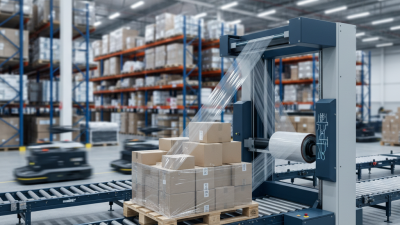
Innovative technologies are transforming the case packaging industry in China. With an increasing demand for sustainable solutions, companies are leveraging advancements in automation and smart packaging. According to a recent report by Smithers Pira, the global market for case packaging is expected to reach $450 billion by 2025, driven by these innovations.
The integration of Artificial Intelligence (AI) is noteworthy. AI-driven systems allow for real-time tracking and optimization of packaging processes. This can enhance efficiency and reduce material waste. Additionally, smart packaging solutions, such as QR codes and NFC tags, enable brands to engage consumers directly. They provide detailed product information and sustainability credentials.
Another significant trend is the shift towards eco-friendly materials. A survey indicates that 72% of consumers prefer sustainable packaging. Companies must adapt to these preferences while maintaining cost efficiency. This poses a challenge as businesses navigate the balance between innovation and practicality. Looking ahead, packaging solutions must evolve, addressing energy consumption and sourcing of materials. Striking this balance remains a key focus in the industry's future.
Sustainability Trends in Chinese Packaging Practices
Sustainability is becoming crucial in Chinese packaging practices. Industries are shifting towards eco-friendly materials and efficient designs. It reflects a growing awareness of environmental impact. Many companies now prioritize biodegradable options. Recyclable materials are replacing traditional plastics. This trend aligns with global sustainability goals.
However, there are challenges. Not all businesses successfully implement green practices. Some still focus on cost over environmental concerns. This leads to inconsistent quality in sustainable packaging. Education plays a vital role. Companies must train their teams on adopting eco-friendly solutions. Collaboration among industry players is essential for making meaningful changes.
The Chinese government offers incentives for sustainable innovation. These initiatives encourage companies to embrace greener practices. Nevertheless, the transition can be slow. Constant reflection on strategies is necessary. Balancing sustainability and profitability remains a complex task. Ultimately, the journey toward sustainable packaging is ongoing.
China Top Case Packaging Solutions for Global Buyers - Sustainability Trends in Chinese Packaging Practices
| Packaging Type |
Material Used |
Sustainability Rating |
Recyclability (%) |
Biodegradable (%) |
| Eco-Friendly Cartons |
Recycled paper |
High |
90 |
55 |
| Bioplastic Packaging |
PLA (Polylactic Acid) |
Moderate |
70 |
100 |
| Reusable Boxes |
Cardboard |
High |
85 |
40 |
| Compostable Bags |
Starch-based materials |
High |
60 |
95 |
| Glass Containers |
Glass |
Very High |
100 |
0 |
Challenges Faced by Global Buyers in Sourcing from China
Sourcing packaging solutions from China poses numerous challenges for global buyers. A significant obstacle is the variability in quality control. According to a report by the International Trade Centre, up to 30% of imported packaging products from China do not meet international standards. This inconsistency can lead to substantial financial loss.
Another serious issue is communication barriers. Buyers may struggle to convey specific requirements due to language differences. Studies show that misunderstandings in specifications can delay delivery times by 20%.
Trust is another critical factor. Global buyers often face difficulty in verifying suppliers. Around 45% of buyers express concerns about supplier reliability, as noted in a recent industry survey. Considerable risks accompany these challenges, including supply chain disruptions and legal disputes.
Buyers must navigate these issues proactively. Establishing clear guidelines and using third-party inspections can help mitigate risks. Understanding the local market and developing relationships with reliable partners is essential.