What is Case Packing and How Does it Impact Your Shipping Efficiency
Case packing is a crucial process within the logistics and supply chain management sectors, directly influencing shipping efficiency and overall operational effectiveness. By systematically organizing products into cases for transportation, businesses can optimize storage space and ensure safer handling during transit. This method not only enhances organization but also reduces the risk of damage to products, thus playing a significant role in maintaining quality and reducing costs associated with shipping errors and product losses.
The significance of case packing extends beyond mere physical arrangement; it encompasses strategic planning that impacts delivery timelines, warehouse operations, and inventory management. Efficient case packing can lead to more streamlined operations, better space utilization within shipping containers, and ultimately faster delivery to customers. As businesses strive for greater efficiency and cost-effectiveness in their supply chains, understanding the intricacies of case packing becomes increasingly important. This foundational aspect of logistics is essential for any organization aiming to improve its shipping processes, reduce labor costs, and enhance customer satisfaction by timely deliveries.
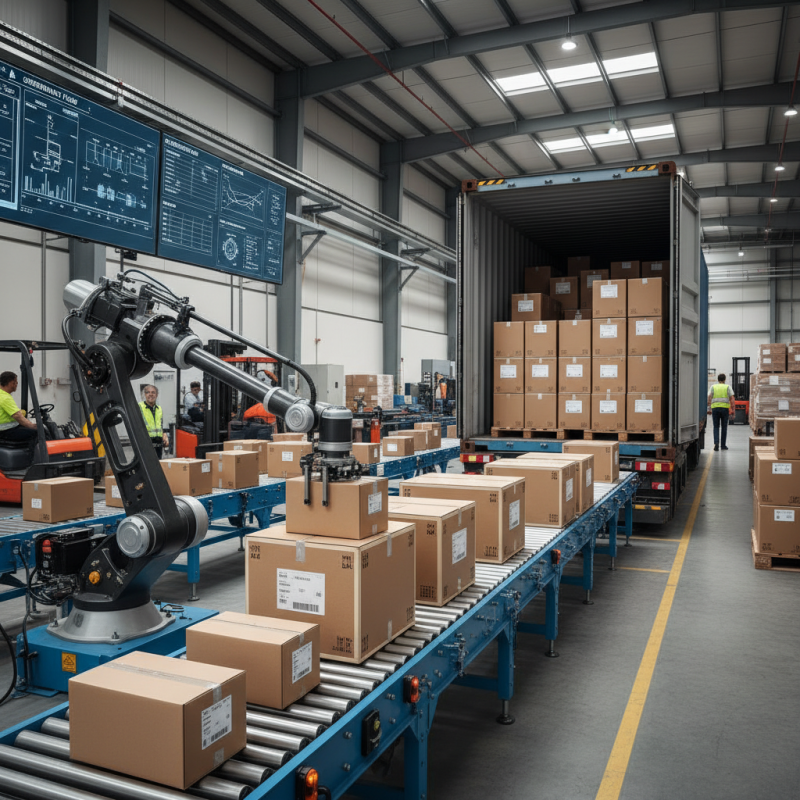
What is Case Packing: Definition and Overview of the Process
Case packing is a pivotal process in the supply chain that involves organizing products into larger containers or cartons for shipping. It serves as a crucial step in ensuring that goods are consolidated efficiently, minimizing both the risk of damage during transit and shipping costs. According to a report by the Council of Supply Chain Management Professionals, companies can reduce their shipping costs by as much as 15% through optimized case packing strategies. This highlights the importance of effectively managing the amount and arrangement of products within each case.
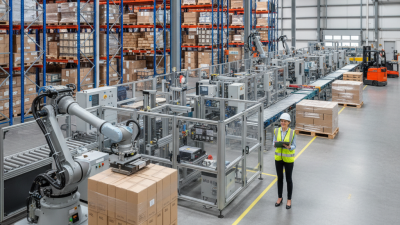
The case packing process can include various methods, such as manual packing or automated systems that employ robotics and advanced technology. A study by the Logistics Management found that automated case packing systems have the potential to increase packing speed by over 30%, significantly enhancing overall shipping efficiency. By employing data-driven approaches to case packing, businesses can analyze factors such as product size, weight, and buyer demand to optimize load configurations. This results in better space utilization within shipping containers and reduces the carbon footprint associated with transportation, which is vital as industries strive for sustainability in their operations.
Importance of Case Packing in Supply Chain Management
Case packing is a critical element in supply chain management that directly influences shipping efficiency. Proper case packing ensures that products are securely stored and transported, minimizing the chances of damage during transit. Effective case packing involves strategic arrangement and optimization of packing materials, which can lead to significant space-saving in shipping containers. This not only reduces transportation costs but also enhances the overall workflow within warehouses and distribution centers.
Tips for effective case packing include assessing the dimensions of products to optimize space. Ensure that cases are filled uniformly to prevent movement, which can cause product damage. Implementing a packing strategy that utilizes the right materials, such as cushioning and dividers, will further safeguard products. Additionally, consider using packaging that is easy to handle and stack, facilitating quicker loading and unloading processes.
Incorporating automated packing solutions can also improve efficiency within the supply chain. These systems streamline the packing process, reducing human error and increasing throughput. Regularly reviewing and updating packing strategies based on feedback and performance metrics can help maintain an efficient supply chain, ensuring that case packing continues to meet the dynamic needs of the shipping environment.
Impact of Case Packing on Shipping Efficiency
This bar chart illustrates the impact of case packing on shipping efficiency, showcasing three different levels: High Efficiency (80%), Moderate Efficiency (60%), and Low Efficiency (30%). Effective case packing is crucial for optimizing logistics and reducing shipping costs in supply chain management.
Impact of Case Packing on Shipping Costs and Efficiency Metrics
Case packing plays a crucial role in determining shipping costs and efficiency metrics within supply chain operations. Efficient case packing maximizes the utilization of shipping containers, reducing the shipping space required and ultimately cutting down transportation costs. According to a report by the Council of Supply Chain Management Professionals (CSCMP), optimizing case packing can lead to a reduction in shipping costs by up to 20%. This improvement not only enhances cost-effectiveness but also allows for better inventory management and faster turnaround times.
Moreover, effective case packing drastically impacts overall shipping efficiency. A study from the International Journal of Physical Distribution & Logistics Management noted that improved case packing strategies can enhance operational efficiency by as much as 30%. This increase is attributed to less handling time, shorter loading and unloading periods, and reduced instances of product damage during transit. As companies strive to streamline their logistics processes, understanding the significance of case packing becomes essential in achieving higher efficiency metrics and maintaining competitive advantage in the market.
Industry Standards and Best Practices in Case Packing Techniques
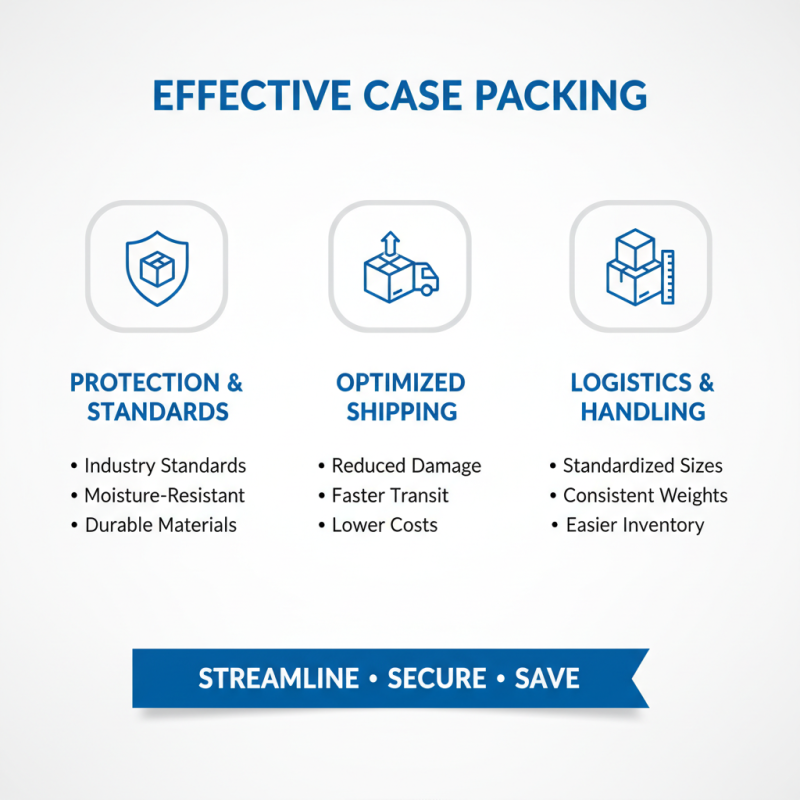
Effective case packing is essential for optimizing shipping efficiency and reducing costs. Adhering to industry standards not only enhances the protection of goods during transit but also streamlines the packing process. Utilizing the right materials, such as moisture-resistant and durable packaging, is crucial in safeguarding products against potential damage. Additionally, standardizing case sizes and weights can significantly simplify inventory management and transportation logistics, ensuring that shipments are easy to handle and load onto various transport vehicles.
Best practices in case packing involve a strategic approach to maximizing space utilization while minimizing potential waste. Techniques such as packing products tightly without compromising their integrity and distributing weight evenly can lead to improved stability during shipping. Implementing automation technologies can further enhance packing efficiency by increasing speed and consistency. Companies that invest in training their staff on the latest packing techniques and tools often see a reduction in shipping errors and damaged goods, ultimately contributing to a more efficient supply chain.
Case Packing Automation: Benefits and Future Trends in Logistics
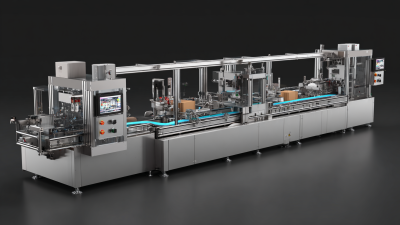
Case packing automation is rapidly transforming the logistics landscape, offering numerous benefits that enhance shipping efficiency. By implementing automated systems for case packing, companies can significantly reduce labor costs and minimize human error. These advanced systems utilize robotics and artificial intelligence to expedite the packing process, ensuring that goods are efficiently and accurately placed into shipping cases. This not only leads to faster processing times but also results in consistent packing quality, which is crucial for maintaining supply chain integrity.
Looking toward the future, the trends in case packing automation reflect a shift towards greater integration with other logistics technologies. As smart logistics systems become more prevalent, case packing solutions are increasingly being designed to work in harmony with inventory management and warehouse automation systems. This interconnectedness allows for real-time data sharing and analytics, enabling businesses to optimize their packing strategies based on current demand and inventory levels. Furthermore, with the rise of e-commerce, the adaptability of automated case packing systems to handle a wider variety of products and packaging requirements will be essential in meeting consumer expectations for quicker delivery times.