The Best Shrink Wrap Solutions for 2026 What You Need to Know
Shrink wrap has become an essential packaging solution across various industries. As we look toward 2026, its effectiveness in preserving product quality and extending shelf life is undeniable. According to a recent industry report by Smithers, the global shrink packaging market is projected to reach $70 billion by 2026, reflecting a growing demand for reliable and efficient packaging solutions.
In a world where product integrity matters, shrink wrap plays a vital role. It safeguards items from moisture, dust, and external damage. The versatility of shrink wrap allows for its application in food, pharmaceuticals, and retail. However, the materials used can sometimes raise concerns about sustainability. Many companies are grappling with finding the right balance between effective protection and environmental responsibility.
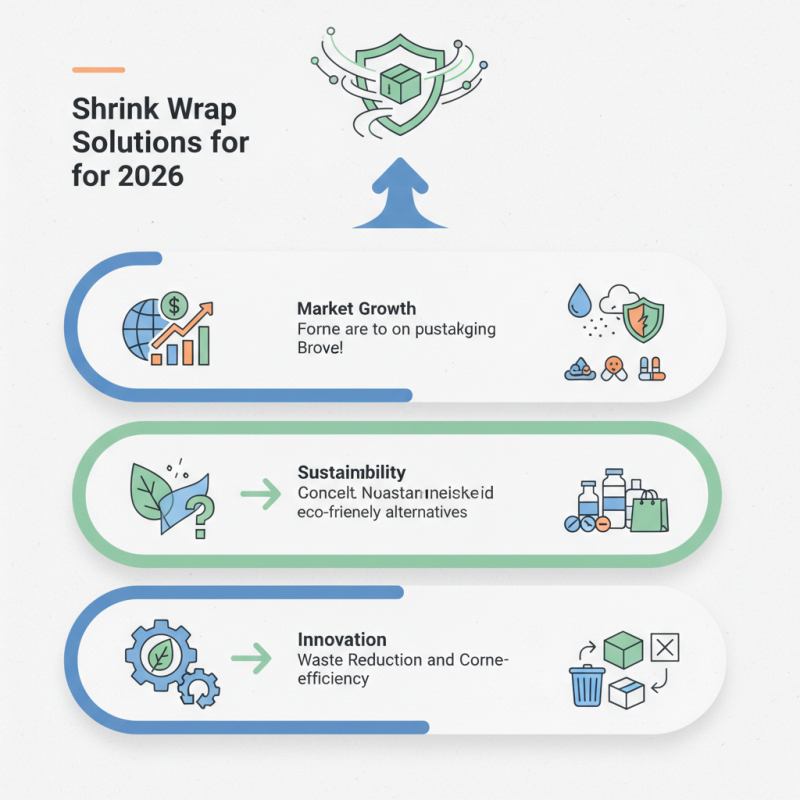
As we move forward, innovators must address these challenges. Finding eco-friendly alternatives is critical. The demand for sustainable shrink wrap solutions is on the rise, pushing manufacturers to rethink their strategies. There’s a clear need for improvement in minimizing waste and maximizing efficiency. The next few years will likely bring changes that could redefine the shrink wrap landscape.
The Importance of Shrink Wrap in Modern Packaging Solutions
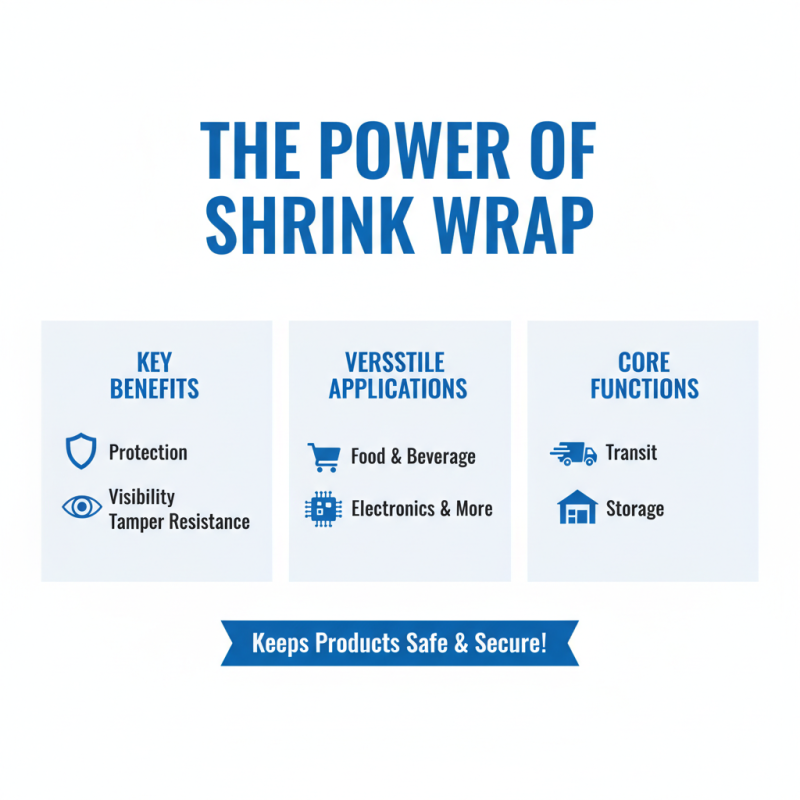
In today's fast-paced world, shrink wrap plays a crucial role in packaging. It offers protection, visibility, and tamper resistance. This versatile material is widely used across various industries. Its applications range from food items to electronics. Shrink wrap keeps products safe during transit and storage.
The importance of shrink wrap goes beyond mere functionality. A well-wrapped product grabs attention on the shelf. Bright colors and clear packaging can enhance the buying experience. However, not all shrink wraps are created equal. Choosing the right type can be challenging. Some wraps may not perform well in extreme conditions.
Environmental concerns are also worth reflecting on. Traditional shrink wrap materials can contribute to waste. The industry is slowly shifting towards more sustainable options. Companies face pressure to innovate while maintaining effectiveness. Finding a balance between performance and environmental impact is key.
Key Factors to Consider When Choosing Shrink Wrap Materials
Choosing the right shrink wrap materials for 2026 requires careful consideration of several factors. The primary purpose of shrink wrap is to protect items during storage and transportation. A report by the Global Packaging Alliance indicates that the global shrink wrap market is expected to grow by 4.5% annually through 2026. This growth reflects the increasing demand for packaging solutions that are both efficient and sustainable.
When selecting shrink wrap, consider the thickness and type of film. Thicker films generally offer better protection against punctures and tears. Research shows that films ranging from 60 to 120 gauge are most popular. They provide an ideal balance between strength and flexibility. However, thicker options may be less eco-friendly, leading to concerns about sustainability.
It's essential to assess the sealing method as well. Heat sealing is common, but alternatives like banding or adhesive may work better for certain applications. According to a recent industry survey, 30% of users reported issues with sealing quality. This highlights the need for testing in real-world scenarios. Failing to do so could lead to damaged goods and increased costs. The choice of shrink wrap should align with specific requirements, balancing protection, cost, and environmental impact.
Innovative Technologies in Shrink Wrap Equipment for 2026
As we look towards 2026, innovative technologies in shrink wrap equipment are poised to transform the industry. Advances in automation are crucial. Many companies report that robotic arms can increase efficiency by up to 30%. These systems perform repetitive tasks with precision, reducing human error and improving safety.
One noteworthy trend is the rise of eco-friendly materials. Industry reports indicate that 25% of companies are now incorporating biodegradable films. This shift not only appeals to environmentally-conscious consumers but also meets stricter regulations. However, some businesses struggle to balance cost and sustainability. The challenge is real, and reflections on long-term investments are necessary.
Tip: Always evaluate your current processes. Automating simple tasks may yield surprising results.
Another innovation involves smart packaging solutions. Sensors and IoT integration are becoming mainstream. These tools help monitor temperature and humidity, ensuring product integrity. A recent study found that 40% of consumers prioritize fresh products, making this technology vital. However, not all companies have adopted these solutions yet. It’s crucial to consider whether the benefits justify the investment.
Tip: Test new technologies on a smaller scale first. This trial can help identify potential hurdles.
Sustainability Trends in Shrink Wrap Solutions
Sustainability is reshaping the packaging world, especially in shrink wrap solutions. In 2026, many consumers are prioritizing eco-friendly options. Traditional plastic materials are being scrutinized. They often end up in landfills or oceans, harming wildlife. Alternatives made from renewable resources are emerging. Biodegradable options show promise.
However, challenges remain. Not all biodegradable shrink wraps break down effectively. Some require specific conditions to decompose. Many companies are experimenting with plant-based polymers. These materials are lightweight and less harmful. Yet, production costs can be high, making them less accessible.
Recycling programs for shrink wrap are still in progress. Many regions lack facilities to handle this type of plastic. Education is also a hurdle. Consumers need to understand how to recycle properly. These issues prompt reflection on current practices. Transitioning to sustainable materials demands commitment. The journey is complex, but the goal is essential.
Case Studies: Successful Applications of Shrink Wrap in Various Industries
Shrink wrap has proven its value across various industries, showcasing versatility and effectiveness. In the food sector, for instance, shrink wrapping preserves freshness and extends shelf life. A report from the Food Packaging Institute noted that shrink wrap can enhance product shelf life by up to 30%. This method reduces spoilage, ensuring consumers receive high-quality products.
In construction, shrink wrap serves a pivotal role. It protects materials from weather conditions, enhancing durability and reducing waste. A case study from the Construction Industry Research Board highlighted how shrink wrap reduced material damage by 40% during a major project. However, many contractors still face challenges in implementing shrink wrap solutions effectively. Some lack proper training, resulting in inefficient applications.
Additionally, the logistics sector utilizes shrink wrap for secure packaging. It minimizes theft and damage during transportation. According to the Logistics Management Association, companies using shrink wrap reported a 25% decrease in shipping losses. Despite these benefits, misunderstandings about material types and their applications remain. Organizations must continually educate staff to maximize shrink wrap strategies. The learning curve is vital for optimizing these solutions.