7 Best Plastic Vacuum Bottles for Travel
Travel can turn a simple drink break into a small challenge: your bottle has to fit beside a jacket, stay closed in a crowded bag, and remain easy to reach between stops. A Plastic Vacuum Bottle may offer insulation with a lighter-feeling outer body, but designs vary. Some models use plastic outside with a stainless-steel inner liner, so check the product description rather than judging by appearance alone.
This guide looks at seven options for common travel needs, including size, weight, lid design, cleaning access, and the manufacturer’s insulation claims. Picture a bottle sliding into a backpack pocket or resting on a train table. A wide opening may make refilling and washing easier, while a secure lid can help prevent spills. These details matter more than a glossy finish.
Not every bottle suits every trip. A larger capacity can mean fewer refills, but it may take up more space; a compact model can be convenient, yet hold less than you expect. Check dimensions, materials, and care instructions before buying, especially if you prefer simple cleaning. Small print matters. The comparisons ahead can help narrow the choices, though no shortlist replaces checking whether a bottle feels practical for your own routine.
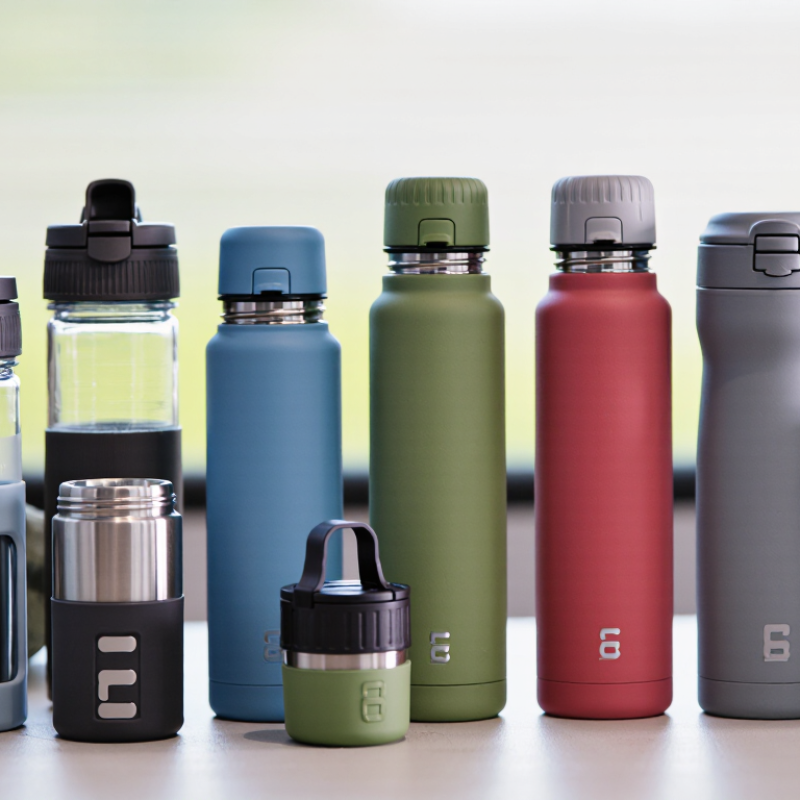
Understanding Plastic Vacuum Bottles and Their Travel Benefits
A plastic vacuum bottle is designed to slow heat transfer, not simply to make a drink container lighter. Many models pair a plastic outer shell or lid with a metal inner liner. Between the walls, a vacuum reduces heat movement through air. The neck and cap still allow some heat to escape, so insulation performance depends on the whole design. No glass to shatter.
For travel, a light bottle is easier to carry through an airport, onto a bus, or along a walking route. A textured plastic exterior can also feel steadier in damp hands. On a cool morning, tea may stay warm during a commute; cold water can remain refreshing on a short hike. Results vary with starting temperature, fill level, and how often the lid is opened. Small details matter.
Check that the cap seals securely and the drinking opening is easy to clean. A narrow neck may reduce splashes, but it can make washing awkward. I would also check care instructions before pouring in very hot drinks, since plastic parts differ in heat tolerance. This trade-off is easy to overlook. A bottle’s advertised insulation time is only a guide, not a promise for every trip.
7 Best Plastic Vacuum Bottles for Travel – Understanding Plastic Vacuum Bottles and Their Travel Benefits
| Bottle style | Typical capacity | Common construction | Travel benefit | Consider before choosing |
| Compact day-trip bottle | 350–450 mL | Plastic outer shell with a stainless-steel vacuum-insulated inner vessel | Takes up less space in a small bag and is suitable for shorter outings. | Smaller capacity means more frequent refills. |
| Everyday travel bottle | 500–600 mL | Plastic outer shell, vacuum gap, and stainless-steel inner wall | A practical middle ground between capacity and packability for commuting or sightseeing. | Check the bottle’s actual diameter if it needs to fit a bag pocket or cup holder. |
| High-capacity day-out bottle | 650–750 mL | Protective plastic exterior around a double-wall vacuum-insulated vessel | Holds more between refills, which can be useful on long travel days. | A larger bottle can be bulkier and heavier when full. |
| Slim cup-holder style | 450–600 mL | Narrow-profile plastic exterior with a vacuum-insulated inner vessel | The narrower shape may fit some vehicle cup holders and backpack side pockets. | Cup-holder dimensions vary, so confirm the base diameter before buying. |
| Wide-mouth style | 500–750 mL | Plastic exterior and stainless-steel vacuum-insulated inner vessel; broad opening | The opening can make filling and cleaning easier and can accommodate ice cubes. | A wide opening may be less convenient for sipping while walking. |
| One-hand flip-lid style | 450–650 mL | Vacuum-insulated inner vessel with a plastic lid and outer shell | A flip lid can make drinking more convenient when one hand is occupied. | Lid mechanisms have more parts to clean; check care instructions and closure design. |
| Protective-shell style | 500–700 mL | Vacuum-insulated vessel enclosed in a durable plastic housing | The outer shell can help protect the insulated vessel from everyday scuffs and minor knocks. | A plastic exterior does not guarantee impact-proof construction or a leakproof lid. |
Note: Capacity ranges are typical size categories, not specifications for particular products. In many vacuum-insulated bottles with plastic exteriors, the vacuum insulation is formed between inner and outer walls, commonly using a stainless-steel inner vessel; the plastic shell is an exterior component. Insulation performance, leak resistance, and cleaning requirements depend on the individual design.
Key Features to Consider When Choosing a Travel Bottle
When comparing plastic vacuum bottles for travel, check what “plastic” describes. Many insulated designs use a plastic outer shell around a separate inner liner, rather than plastic alone creating the vacuum. A sturdy shell can reduce dents and feel comfortable in hand, but inspect the liner material and care instructions before buying. Small details matter.
Insulation claims are useful, but real performance depends on the lid and seal too. Look for a gasket that sits evenly and a locking or screw-top closure that will not open easily inside a bag. If possible, test the seal over a sink with cool water first. A bottle that leaks once can soak a notebook or spare shirt. Not ideal. Also consider capacity: a slim bottle fits a backpack pocket, while a wider opening is easier to fill with ice and clean with a brush.
Weight, grip, and maintenance shape everyday use. Textured plastic can be easier to hold with damp hands, though grooves may collect residue. Check whether the lid comes apart for washing and whether the bottle is dishwasher-safe; never assume it is. A wide mouth helps, but it can also spill more readily while walking. I would compare these practical trade-offs before focusing on color or appearance.
Seven Top Plastic Vacuum Bottles for Different Travel Needs
Travel bottles work best when their shape matches the day ahead. For short flights, a compact, lightweight bottle fits neatly beside a passport. A slim bottle suits crowded train aisles and narrow backpack pockets. For day hikes, choose a larger capacity with a secure lid and a grip-friendly surface. A wide-mouth design is easier to fill at a sink and clean after a long trip. Small detail, big difference.
For commuting or sightseeing, a flip-top bottle allows quick sips, though its seal deserves careful checking before it goes in a bag. A straw-lid option can be convenient while walking, but it usually needs more frequent cleaning. Families may prefer a durable, smaller bottle that is easy for children to hold. For longer journeys, an insulated plastic bottle may help maintain drink temperature, but performance varies. Check the product’s stated insulation method and temperature guidance; not every plastic bottle uses vacuum insulation. I would also test the lid over a sink before packing it. It is a slightly fussy step, but a damp change of clothes is worse.
How to Clean and Maintain a Plastic Vacuum Bottle on the Go
A plastic vacuum bottle can pick up odors when coffee, tea, or flavored drinks sit inside during a trip. Empty it as soon as you can, then rinse the bottle with warm water. At your hotel or campsite, wash it with mild dish soap and a soft bottle brush. Pay attention to the shoulder, base, and narrow mouth, where residue can hide. Clean the lid and seal separately, if removable. Small details matter.
Tips: Carry a tiny drop of dish soap and a clean cloth in a leakproof pouch. A soft brush helps reach the bottom without scratching the plastic. Rinse until no slippery feel or soap scent remains, then leave the bottle and lid open to air-dry. Avoid abrasive pads and very hot water unless the care instructions allow them.
A quick rinse feels sufficient, but it may leave a faint smell by morning. If that happens, wash the bottle again rather than covering the odor with another drink. Check the seal for trapped moisture or crumbs, and replace it if it is cracked or no longer fits securely. Drying can be awkward in a small room; a clean towel helps, though the inside still needs airflow. Don’t close a damp bottle in your bag.
Plastic Vacuum Bottle Care: A Weekly Cleaning Schedule
Suggested routine assuming one use per day: wash the bottle and lid after each use, and give removable seals and straws a thorough clean at least weekly. Rinse and air-dry parts between uses, and follow the bottle’s care instructions.