
10 Best Bulk Sacks for Global Buyers
Bulk Sack Types and Their Global Packaging Applications
Bulk sacks differ by structure, fabric, lining, and discharge design. Choosing the right type protects products and reduces handling problems across international supply chains.
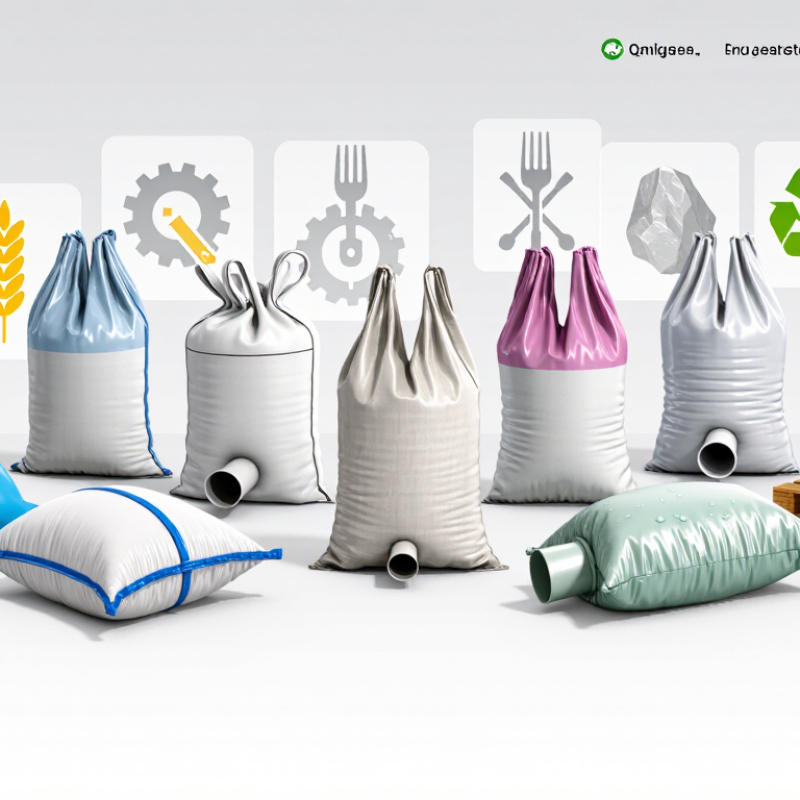
Standard U-panel sacks suit grains, seeds, powders, and many dry construction materials. Circular sacks provide efficient filling and stable storage in warehouses. Baffle sacks use internal panels to keep their shape, saving space on pallets and in containers.
Food-grade sacks support cleaner handling when paired with approved liners and controlled production areas. Conductive or antistatic options help manage static during suitable industrial applications. Ventilated sacks allow airflow for products that may retain heat or moisture, such as agricultural materials.
Some projects need a coated fabric for moisture resistance. Others require an inner liner for fine powders. A bottom discharge spout can shorten unloading time, but poor fit may cause residue or blockages. Always check safe working load, lifting-loop design, seam strength, and stacking limits. These details matter more than appearance.
Global buyers should request test reports, material specifications, and batch traceability. Confirm dimensions against filling equipment before placing a large order. Local climate also matters; humid ports can expose weak packaging choices quickly.
In practice, I have seen teams select a sack by price, then pay more for damaged corners and slow discharge. That mistake is avoidable, though no specification removes every handling risk. Trial loading remains useful. Small tests reveal real behavior.
