What is the Best Beer Filter Paper for Brewing Needs?
When it comes to brewing, the choice of materials can make a significant difference. One key component in this process is Beer Filter Paper. Using the right filter paper can enhance the clarity and flavor of your brew. Choosing the best option, however, is not always straightforward.
Beer Filter Paper comes in various types and grades. Each type serves a different purpose depending on your brewing method. Some brewers may find themselves overwhelmed by the options available. It’s essential to consider factors like pore size, material, and the brewing method used. This paper can also affect the aroma and taste of the final product, making it an area that requires careful thought.
Many brewers overlook the importance of Beer Filter Paper. This can lead to inconsistent results and dissatisfaction. Experimentation is key, but it is also critical to base your choices on reliable information. Knowing which paper works best for your specific needs can greatly improve your brewing experience. So, investing time in understanding Beer Filter Paper will pay dividends in the end.
What is Beer Filter Paper and Why is it Important in Brewing?
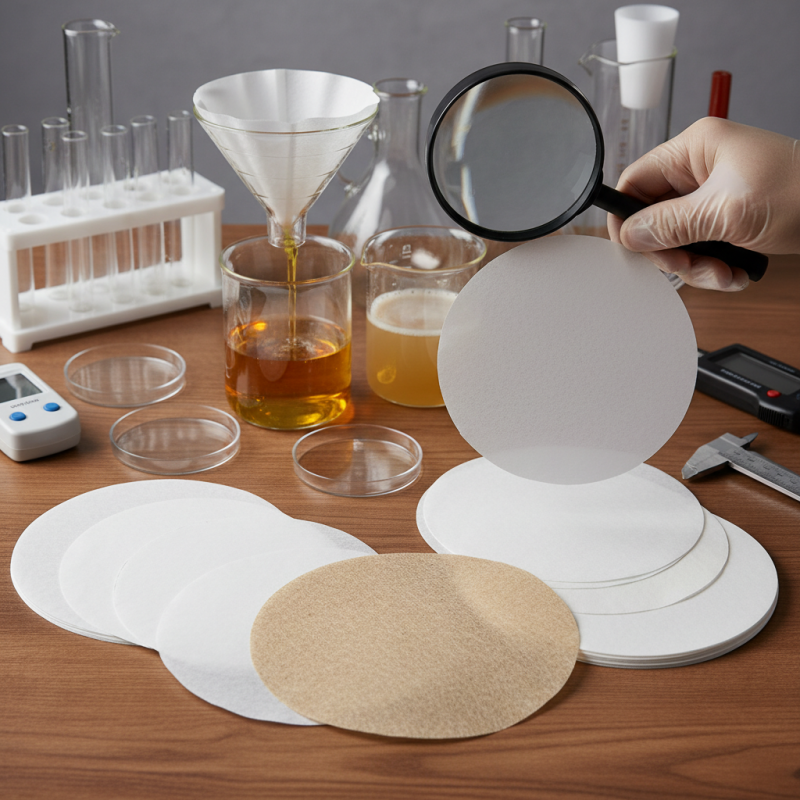
Beer filter paper plays a critical role in brewing. It helps clarify the final product by removing unwanted particles. This results in a cleaner and more appealing beer. A fine filter allows for better extraction during brewing. This improves the overall flavor and aroma of the beer.
Choosing the right filter paper is essential. Different brewing methods may require different types of filter paper. For example, some brewers prefer thicker paper for their home brewing techniques. Others may opt for thinner options to enhance clarity. Experimenting with various types can lead to better brewing results.
Tips: Always consider the mesh size. A finer mesh can trap more particles, but it may also slow down the process. Remember to clean your equipment thoroughly. Any leftover residue can spoil the taste. Over time, you'll learn which type suits your brewing style best. Keep notes on each batch to track your progress and make necessary adjustments.
Types of Beer Filter Paper: Materials and Benefits Explained
When choosing beer filter paper, understanding the types and materials is crucial. Common materials include cellulose, nylon, and polypropylene. Cellulose papers are often preferred for their natural origins and ability to trap large particles. They provide a clean filtration process, which can enhance the beer's aroma and taste. However, they may sometimes impart a slight papery flavor if used excessively, which brewers should consider.
Nylon filter papers offer durability and high resistance to heat. Their fine mesh design allows for excellent clarity in the final brew. This type is especially useful for those brewing with hops. Yet, some users find them more difficult to clean. This can lead to increased costs if used frequently.
Polypropylene is another option. It’s robust and reusable, making it a cost-effective choice for regular brewers. However, it may not filter as finely as nylon or cellulose, potentially leaving some sediment.
Every brewer has unique filtration needs. The choice of filter paper often reflects personal preferences and brewing methods. Experimentation plays a key role in finding the right fit for your brewing process. The benefits of each type come with considerations that may not suit every brew. Reflecting on these aspects can lead to better brewing outcomes.
Key Factors to Consider When Choosing Beer Filter Paper
Choosing the right beer filter paper is vital for achieving a clean and clear brew. Several key factors influence this decision. One important aspect is the paper’s filtration efficiency. It must effectively separate yeast and hops from the final product. Research indicates that filter papers with a porosity of 1-5 microns provide optimal clarity without losing flavor.
Another consideration is the compatibility with different brewing systems. Certain filter papers may perform better in specific setups, such as gravity vs. pressure systems. A study conducted by the Brewing Science Journal revealed that brewers experienced a 20% reduction in sediment when using compatible filter papers.
Tips: Always check for recommended practices in your brewing community. Experimenting with different papers can help you find the best match for your process. Also, consider the thickness of the filter. Thicker papers may offer better durability but could slow down filtering times.
Lastly, consider sustainability. Some filter papers are made from recycled materials. An increasing number of brewers value eco-friendly options. Consumer surveys show that 75% of craft brewers prioritize sustainability in their sourcing choices. This ensures not just quality but also aligns with evolving consumer preferences.
Top Recommended Beer Filter Papers for Different Brewing Techniques
When selecting the best beer filter paper, it’s crucial to consider various brewing techniques. Different methods require specific filter characteristics to achieve optimal clarity and flavor. According to industry reports, using the right filter can improve beer quality by 10-20%. This demonstrates the importance of investing in high-quality materials.
For traditional brewing, cellulose-based filter papers are often recommended. They provide good flow rates while effectively trapping sediment. Meanwhile, those adopting modern techniques may find synthetic filters more effective. These filters can withstand higher pressures, ensuring efficient filtration without compromising taste. Research suggests that brewers using synthetic options experience fewer clogging issues during the process.
Tips: Always pre-wet your filter paper to enhance its filtration capability. Experiment with different pore sizes to find the perfect match for your yeast type. It’s a good practice to keep a journal of your brewing results. This allows you to reflect and refine your process.
Ultimately, understanding the interplay between filter paper and brewing techniques can lead to noteworthy improvements in your brew. Choosing the right filter isn’t just a technical choice; it’s a step towards crafting exceptional flavors. Each brewing experience might yield unexpected results, encouraging learning and growth in your craft. Keep your options open and stay curious.
Best Beer Filter Papers for Brewing Needs
Maintenance and Best Practices for Using Beer Filter Paper in Brewing
When using beer filter paper, maintenance is key. Regular checks help to ensure optimal filtration. Paper that is worn or damaged can spoil the brewing process. Always inspect your filter paper before use. This can save time and wasted ingredients.
Tip: Store filter paper in a cool, dry place. Humidity can affect its effectiveness. Avoid direct sunlight exposure. Make a routine of checking the storage conditions periodically.
Using the right technique matters. Ensure correct fits and seal all edges. Any gaps might allow unwanted particles into your brew. Over time, adjustments may be necessary.
Tip: Keep a brewing log. Document the performance of your filter paper with each batch. This helps in identifying any patterns. Experimentation leads to better results and more enjoyable brews.