10 Best Automated Packaging Line Solutions for Your Business Needs?
In today's fast-paced market, an efficient automated packaging line is crucial for any business. According to Mark Jones, a leading expert in packaging automation, "The right system can transform efficiency and reduce waste." Businesses increasingly turn to these solutions for their flexibility and reliability.
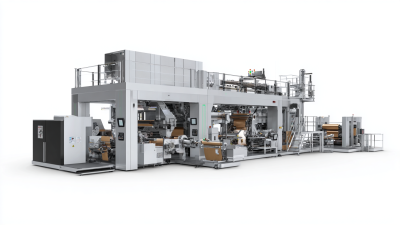
Automated packaging lines streamline processes, from filling to sealing. They are designed to handle various products, adapting to changing needs. However, choosing the right system can feel overwhelming. Many options exist, and not all will fit every operation.
Companies must reflect on their specific requirements. An automated packaging line should not only improve productivity but also ensure product integrity. Balancing versatility and efficiency is a challenge every business faces. It's essential to consider the unique aspects of your operations before investing in a solution.
Overview of Automated Packaging Lines and Their Importance
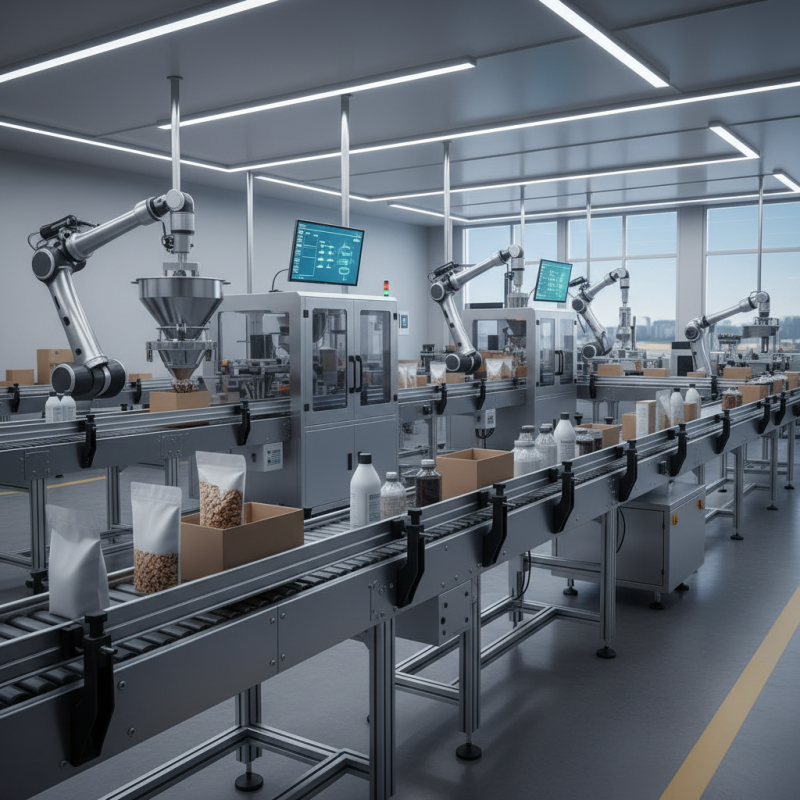
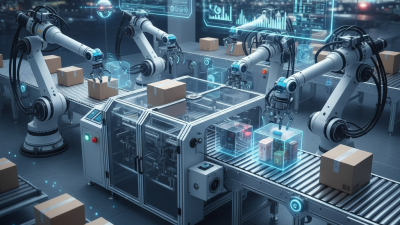
Automated packaging lines play a crucial role in modern manufacturing. They enhance efficiency, ensuring products are packaged swiftly and accurately. This technology minimizes human error and reduces labor costs, making operations more profitable. Businesses can benefit from increased output and improved consistency.
These packaged solutions are essential for industries like food, pharmaceuticals, and electronics. They ensure product safety and compliance with regulations. However, implementing automation can be challenging. It requires significant investment and training. Companies must think critically about their specific needs. Not every solution fits all.
Moreover, automated lines can lead to over-reliance on machinery. This might result in a skills gap among workers. As processes become more automated, it is essential to keep employees engaged. Balancing technology and human skills is key to sustainable growth. Businesses should reflect on these factors before diving into automatic solutions.
Top 10 Automated Packaging Solutions for Various Industries
Automated packaging solutions are transforming industries by improving efficiency and reducing labor costs. For instance, a recent report by Smithers Pira indicates that automation in packaging can lead to a 20-30% increase in productivity. Many companies are exploring these automated solutions to streamline operations.
In food and beverage sectors, the demand for advanced packaging technology is surging. These industries benefit significantly from automated systems that ensure consistent quality and speed. For example, a study from the International Packaging Association highlights that integration of robotics can decrease packaging errors by 75%. This is crucial for businesses aiming to maintain brand reputation while meeting consumer expectations.
However, implementing these systems is not without challenges. Companies must consider initial investments and ongoing maintenance costs. A study from McKinsey suggests that many businesses underestimate the time required for training staff on new technologies. Reflecting on these factors is essential, as the success of automation depends on both technology and human adaptation.
Top 10 Automated Packaging Solutions for Various Industries
This chart displays the efficiency ratings of various automated packaging solutions across different industries. The efficiency is measured based on the packaging speed (units per hour) and adaptability in various environments.
Comparative Analysis of Leading Automated Packaging Technologies
Automated packaging technologies are becoming essential for businesses aiming to enhance efficiency. A comparative analysis reveals significant variations in performance and versatility across leading solutions. According to a 2023 industry report, 35% of companies report a marked increase in output after implementing automated systems.
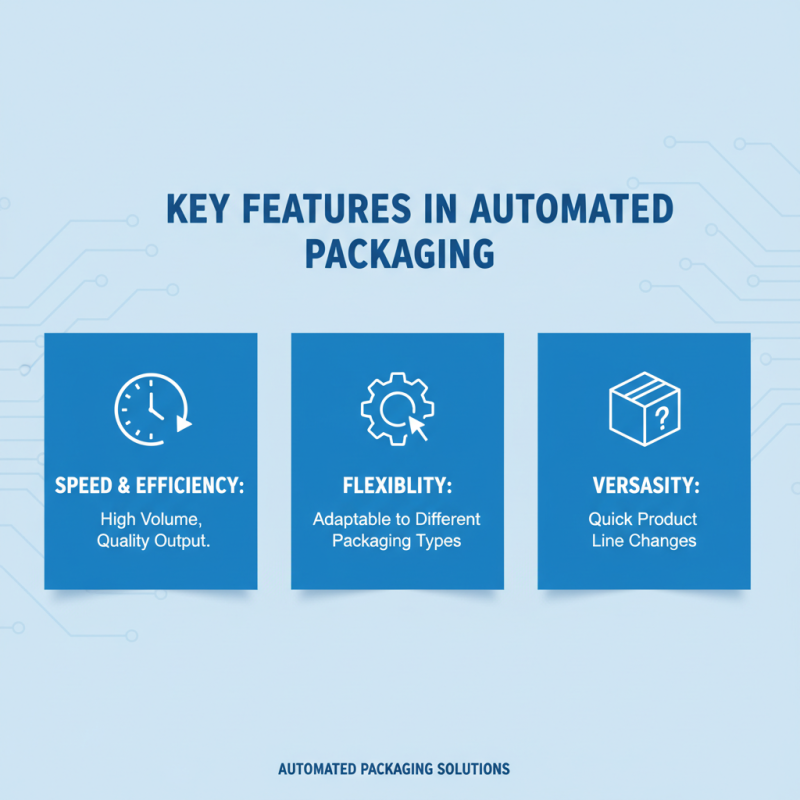
Many automated packaging lines can handle diverse products and packaging materials. This capability allows companies to maintain flexibility in their operations. However, not all systems integrate seamlessly into existing workflows. Some solutions require extensive retraining of employees, potentially disrupting productivity.
Cost remains a crucial factor in evaluating automated packaging technologies. Initial investments can be high, yet long-term savings often offset these expenses. For instance, companies may see reductions in labor costs by up to 30% within the first year. However, businesses must remain cautious. Selecting the right technology necessitates understanding specific needs and potential future challenges. A thoughtful approach will enable companies to adapt to evolving market demands effectively.
10 Best Automated Packaging Line Solutions for Your Business Needs
| Solution |
Technology Type |
Production Speed (Units/Hour) |
Package Types Supported |
Key Features |
Price Range |
| Solution A |
Robotic Arm |
600 |
Boxes, Bags |
Versatile, Quick Changeover |
$25,000 - $50,000 |
| Solution B |
Wrapping Machine |
400 |
Pallets, Bundles |
Automatic Tension Control |
$30,000 - $60,000 |
| Solution C |
Cartoning Machine |
800 |
Cartons, Trays |
High Capacity, User-Friendly |
$40,000 - $80,000 |
| Solution D |
Filling Machine |
500 |
Bottles, Cans |
Accurate Dosage, Hygiene Focused |
$35,000 - $70,000 |
| Solution E |
Case Packaging |
300 |
Cases, Bins |
Compact Design, Easy Maintenance |
$20,000 - $40,000 |
| Solution F |
Labeling Machine |
700 |
Bottles, Boxes |
High-Speed Application |
$15,000 - $35,000 |
| Solution G |
Shrink Wrapping Machine |
600 |
Bundles, Multi-Pack |
Energy Efficient, Adjustable Controls |
$25,000 - $55,000 |
| Solution H |
Sealing Machine |
400 |
Bags, Boxes |
Multi-Functional, Durable |
$18,000 - $38,000 |
| Solution I |
Palletizing Robot |
200 |
Pallets, Heavy Loads |
Flexible Setup, Robust Build |
$50,000 - $100,000 |
| Solution J |
Closure Machine |
550 |
Cans, Jars |
Smart Sensors, Quick Adjustments |
$22,000 - $42,000 |
Future Trends in Automated Packaging Line Development
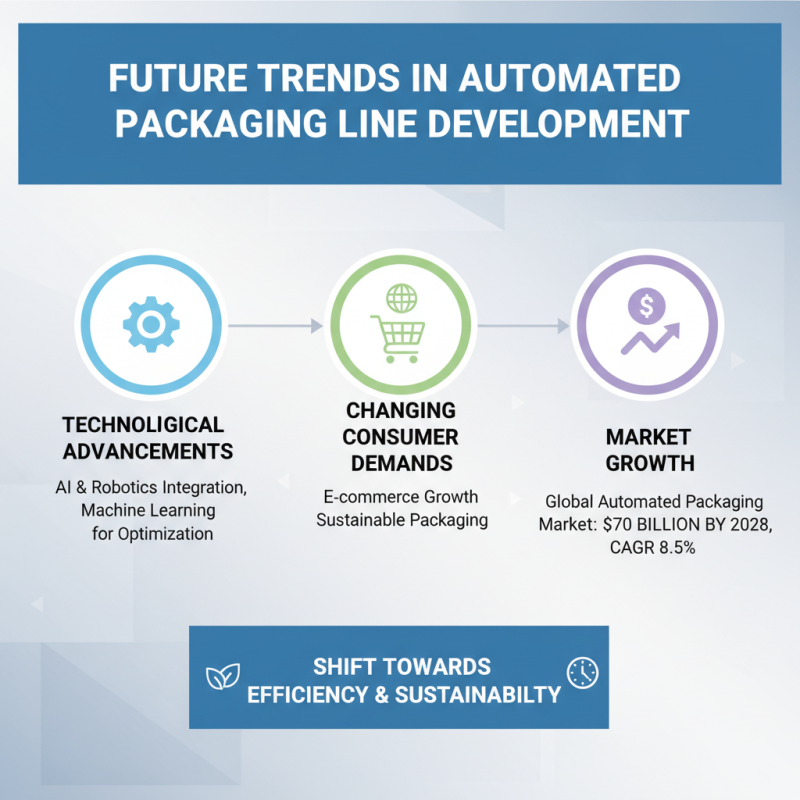
The future of automated packaging line development is promising, driven by technological advancements and changing consumer demands. A recent report estimated that the global automated packaging market will reach $70 billion by 2028, growing at a CAGR of 8.5%. This growth highlights a shift towards efficiency and sustainability in packaging processes.
Robotics and AI integration are at the forefront of this evolution. By 2025, over 50% of packaging lines will incorporate robotic solutions for tasks such as sorting and packing. These technologies not only enhance speed but also reduce errors, thereby increasing overall productivity. Research indicates that businesses adopting automation can see a 20-30% reduction in operational costs.
Sustainability is also a critical concern. Companies are increasingly focusing on eco-friendly materials and practices. A study found that 67% of consumers prefer brands using sustainable packaging. However, the challenge remains for businesses to balance automation with these sustainability goals. While technology can streamline processes, it must be applied thoughtfully to avoid waste and inefficiency. As the industry evolves, striking this balance will be essential for long-term success.