China Best Automated Box Packaging Systems for Global Buyers?
In the rapidly evolving landscape of packaging technology, "automated box packaging systems" have emerged as a game-changer. Industry expert Dr. Emily Chen stated, “Automation in packaging not only improves efficiency but also enhances product integrity.” This insight highlights the critical role these systems play in today’s manufacturing processes.
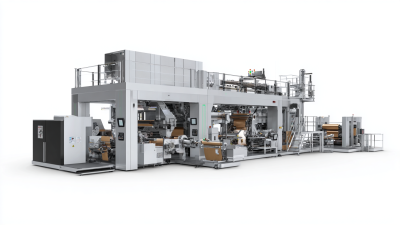
Global buyers face a wide range of options when considering automated box packaging systems. China has positioned itself as a leader in this sector, providing innovative solutions to meet diverse needs. The systems available range from simple machines to complex, fully integrated solutions. They cater to various industries, from pharmaceuticals to consumer goods, underscoring their versatility and adaptability.
However, challenges persist. Buyers must navigate issues such as compatibility with existing infrastructure and the potential for high initial costs. While the benefits are clear, effective implementation often requires careful planning and alignment with business objectives. As companies seek to streamline operations, the right automated systems can transform not just packaging but overall efficiency.
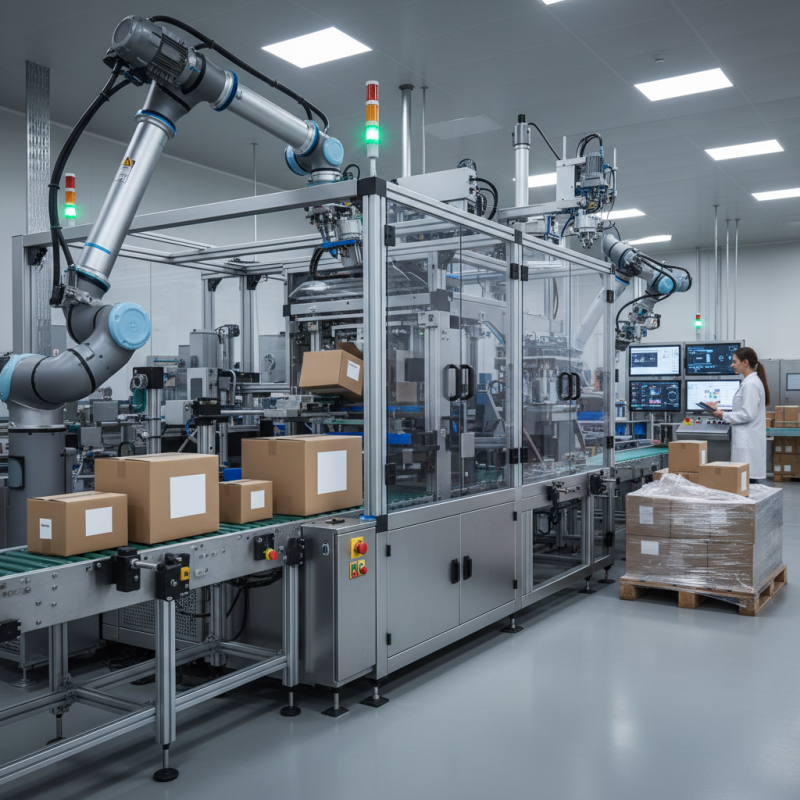
Overview of Automated Box Packaging Systems in China
Automated box packaging systems are revolutionizing the manufacturing landscape in China. According to a report by Smithers Pira, the global packaging market is projected to reach $1 trillion by 2024, with automation playing a key role. China's advanced technology in robotics and software for packaging is accelerating this trend. Many manufacturers are adopting fully integrated systems, which can reduce labor costs by up to 30% and increase production efficiency.
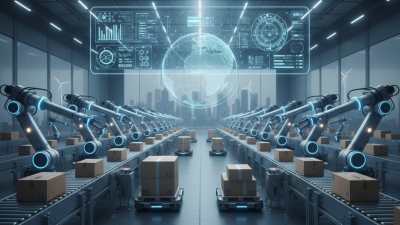
In recent years, the demand for efficiency has driven innovations in automated packaging. Systems now incorporate advanced sensors and artificial intelligence, enabling real-time monitoring and adjustments. This technology enhances speed and accuracy, which is critical in industries such as e-commerce and food packaging. Yet, challenges remain. The initial investment in such technology can be substantial. Many small to medium-sized enterprises struggle with financing.
Moreover, not all automated systems are suited for every product. Customization is essential. Businesses must consider specific packaging requirements, leading some to overlook automation benefits. However, as the workforce ages and labor becomes more costly, the benefits may outweigh these hurdles in the long run. The push for sustainability also adds layers of complexity that deserve careful consideration.
China Best Automated Box Packaging Systems for Global Buyers
| Model |
Automation Level |
Production Capacity (Boxes/Hour) |
Box Dimensions (L x W x H) |
Power Consumption (kW) |
Weight (kg) |
Price Range (USD) |
| Model A |
Fully Automated |
1200 |
40 x 30 x 20 cm |
5.5 |
150 |
$25,000 - $30,000 |
| Model B |
Semi-Automated |
800 |
50 x 40 x 30 cm |
3.5 |
100 |
$15,000 - $20,000 |
| Model C |
Fully Automated |
1500 |
60 x 50 x 40 cm |
6.0 |
200 |
$28,000 - $35,000 |
| Model D |
Manual Assistant |
600 |
30 x 25 x 15 cm |
2.0 |
80 |
$10,000 - $12,000 |
Key Features of China's Best Automated Packaging Solutions
China has emerged as a leader in automated box packaging systems, catering to diverse global markets. Recent industry reports indicate that the automated packaging market is expected to reach $55 billion by 2025, with a significant push from China's innovations. One of the key features of these systems is their adaptability. Companies can customize packaging types to suit various products, ensuring efficiency and minimizing waste.
Advanced technology, such as AI and IoT, plays a crucial role. These systems enhance precision and track performance in real-time. A study from the ReportLinker indicates that automated packaging solutions reduce labor costs by approximately 30%. However, some challenges remain, like the initial investment and the learning curve for new users.
This rapidly evolving sector emphasizes sustainability. Many Chinese manufacturers prioritize eco-friendly materials and energy-efficient designs. Despite the advancements, there are discussions around the environmental impact of automation. Industry experts suggest that ongoing innovation is necessary to address these concerns while meeting global demands for efficient packaging solutions. The balance between efficiency and sustainability is a shared goal within the industry.
Top Chinese Manufacturers of Automated Box Packaging Systems
China has emerged as a key player in the automated box packaging systems market. With advanced technology and a growing manufacturing base, many local companies offer innovative solutions. These manufacturers focus on automation, efficiency, and reliability in packaging processes. They design systems that cater to various industries, from e-commerce to food and pharmaceuticals. As global demand for packaged goods rises, China's manufacturers are becoming more relevant.
However, not all producers maintain consistent quality. Some companies struggle with outdated technology or lack of skilled labor. This variability can affect the performance of packaging systems, leading to operational inefficiencies. Buyers should conduct thorough research before selecting a supplier. Evaluating their technology, service records, and customer reviews is essential. Price should not be the sole factor; quality and support are critical for long-term success.
Furthermore, while many companies offer competitive pricing, hidden costs may arise. Maintenance and spare parts can add to the overall expense. Engaging with manufacturers directly can often reveal insights into potential challenges. By asking the right questions, buyers can make informed decisions. Overall, investing time into understanding the landscape will help in choosing the most reliable automated box packaging system.
Comparative Analysis of Cost and Efficiency in Global Markets
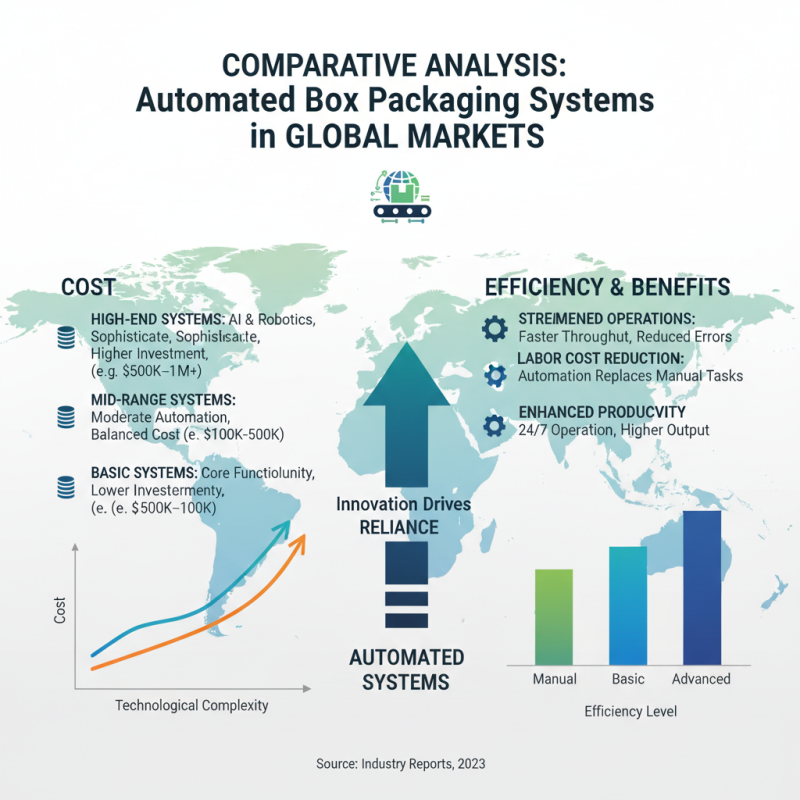
The global market is increasingly reliant on automated box packaging systems. These systems streamline operations, reduce labor costs, and enhance efficiency. However, the cost of such systems can vary widely depending on the manufacturer and technology. Some systems are highly sophisticated, incorporating AI and robotics, while others focus on basic functionality.
Efficiency is another critical factor in the decision-making process. Automated systems can significantly speed up packaging lines, improving throughput. Yet, this efficiency must be balanced with operational costs. Businesses often face the dilemma of investing in cutting-edge technology versus opting for budget-friendly solutions. Achieving sustained long-term efficiency can require ongoing maintenance and training, which may deter some buyers.
While many companies report increased output, not all experience the same level of success. Variations in industry needs and workforce adaptability can impact overall performance. Buyers should conduct thorough evaluations of potential systems, considering both upfront costs and long-term benefits. The choice of an automated box packaging system is not just about technology; it’s about aligning with the unique demands of the market and the business’s operational vision.
Future Trends in Automated Packaging Technologies from China
Automated packaging technologies from China are evolving rapidly. Many global buyers are now exploring these advancements. Manufacturers are investing heavily in R&D. They aim to enhance efficiency and reduce costs. Innovative solutions are addressing packaging complexities. Flexibility in production lines is becoming a priority.
The shift towards eco-friendly materials is significant. Companies are embracing sustainable practices. Packaging waste is a growing concern worldwide. Automated systems are designed to minimize this impact. However, challenges remain in scaling these technologies. Many industries struggle to integrate new solutions seamlessly. Training staff on new systems is vital for success.
Safety and reliability are paramount in packaging. Automated systems must ensure product integrity. Buyers seek trustworthy solutions that maintain quality. There are varying degrees of success in achieving this. Continuous improvement is essential. Emphasizing knowledge exchange within the industry can foster progress. Global cooperation could lead to groundbreaking advancements in packaging technologies.