Best Automated Box Packaging Systems for Efficient Shipping?
In today’s fast-paced e-commerce landscape, efficiency is crucial. Companies must optimize their shipping processes to keep pace with growing demand. Automated box packaging systems are becoming vital for organizations looking to streamline their operations. These systems enhance efficiency while reducing labor costs and material waste.
The rise of automation has transformed packaging practices. Businesses can now handle higher volumes of shipments with minimal manual intervention. Automated box packaging systems minimize human error and ensure consistency in packaging quality. However, some companies may overlook the specific requirements of their products, leading to further challenges in the automation process.
Understanding your unique packaging needs is essential to fully benefit from these systems. Issues can arise if a system is not well-suited for certain products. Proper research and expert consultation can guide businesses toward selecting the most appropriate automated packaging solutions. Embracing automation while acknowledging its complexities can lead to smarter shipping strategies and improved customer satisfaction.
Introduction to Automated Box Packaging Systems
Automated box packaging systems are becoming essential in today's shipping landscape. These systems enhance efficiency while minimizing labor costs. According to a report by Packsize, nearly 30% of companies face challenges due to inefficient packaging processes. This leads to higher shipping costs and wasted materials. Many businesses are now looking for solutions to streamline their operations.
These systems utilize advanced technologies to create boxes tailored to the specific product dimensions. Research indicates that using custom packaging can reduce material waste by up to 20%. Businesses can also experience a 50% decrease in labor time associated with packing. Furthermore, a report from McKinsey highlighted that firms investing in automation systems are 2.3 times more likely to achieve operational efficiency.
However, not every business may benefit immediately from automation. Initial costs can be significant. Some systems require extensive training to optimize performance. Additionally, businesses must assess whether the volume of shipments justifies such investments. Reflecting on these challenges helps companies better identify their true needs in packaging solutions. Balancing automation with human oversight may lead to optimal results.
Key Features of Effective Packaging Solutions
Efficient shipping relies on effective packaging solutions. Automated box packaging systems have advanced over the years. They now integrate cutting-edge technology for seamless processing. One key feature is adaptability. These systems can handle various box sizes and shapes, catering to diverse product types. Flexibility allows businesses to optimize their packaging operations, improving workflow.
Another essential aspect is speed. High-speed packaging machines can dramatically reduce processing time. They help companies keep up with growing demand. However, one must consider the balance between speed and quality. Rushed packaging can lead to mistakes or waste. Attention to detail is crucial, even in automated processes.
Durability is also vital in packaging solutions. A reliable system ensures products are well-protected during transit. However, environmental impact should be considered too. Sustainable materials are increasingly important. Companies must reflect on their packaging choices and strive for eco-friendly options. Finding the right balance between protection, speed, and sustainability remains a challenge for many.
Types of Automated Box Packaging Systems Available
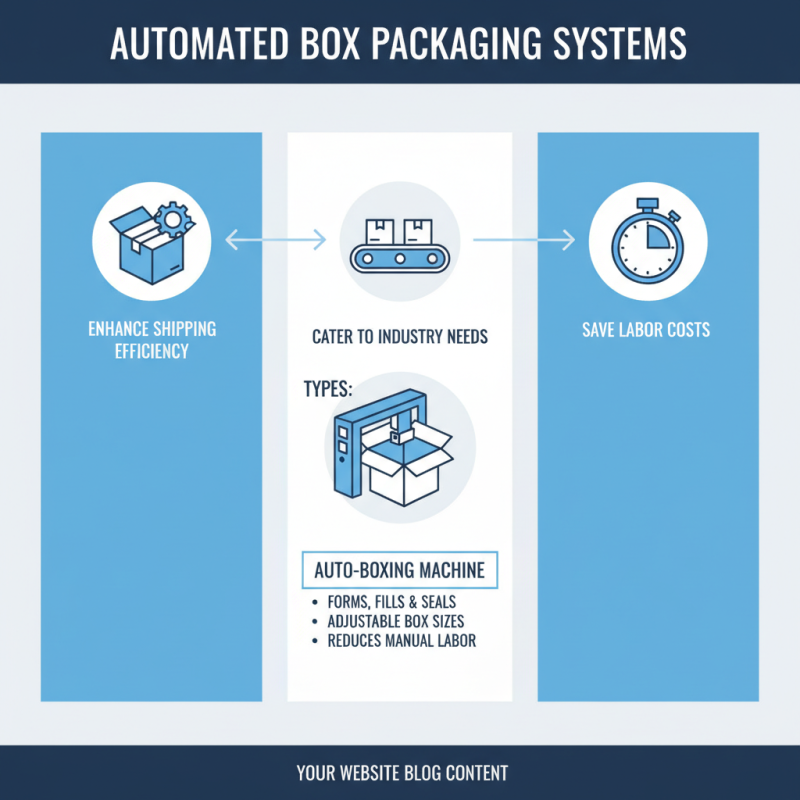
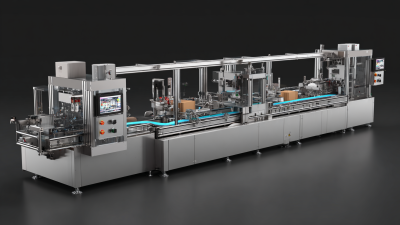
Automated box packaging systems significantly enhance shipping efficiency. Various types of these systems cater to different industry needs. One common type is the auto-boxing machine. It forms, fills, and seals boxes automatically. This can save considerable labor costs. These machines typically use adjustable parameters for various box sizes.
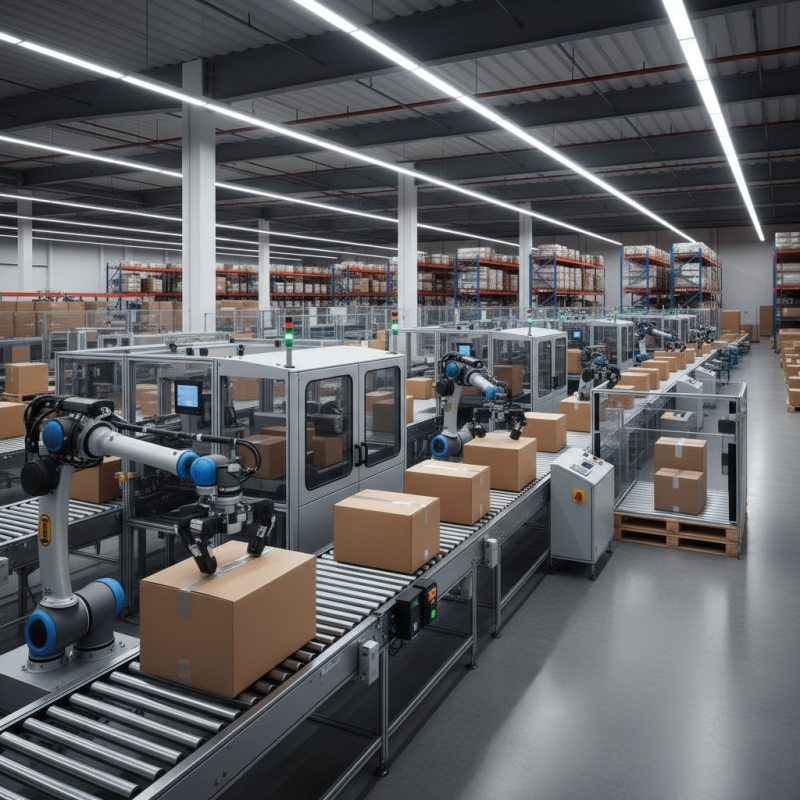
Another type includes the robotic packing system. These robots can pick items and pack them into boxes with high precision. They reduce human error and work continually. A notable feature is their ability to integrate with inventory systems. This ensures that packaging aligns seamlessly with product availability.
However, investing in automation does have complexities. Companies must assess their specific requirements. Some systems may require significant setup time, which can disrupt workflow. Analyzing return on investment is crucial before implementation. Each system has its pros and cons, and careful consideration is necessary for the right choice.
Benefits of Implementing Automated Packaging for Shipping
Automated packaging systems are transforming the shipping industry. These systems streamline the packing process, reducing time and labor costs significantly. Companies can pack products with precision and speed. This technology minimizes human error, ensuring every package meets quality standards.
Implementing automated packaging leads to various benefits. It enhances efficiency by speeding up the workflow. With faster packing, businesses can fulfill orders more rapidly. Customers appreciate quick shipments. Additionally, these systems can minimize material waste. By using precise packaging methods, companies save on supplies.
However, there are challenges to consider. Initial investment costs can be high. Not all businesses may have the budget for advanced systems. Employees may face a learning curve when adapting to new technology. Continuous training is essential. Balancing efficiency with quality remains a critical focus. Companies must constantly evaluate their processes to ensure effectiveness.
Best Automated Box Packaging Systems for Efficient Shipping
| System Type |
Speed (boxes/hour) |
Automation Level |
Footprint (sq ft) |
Primary Benefits |
| Semi-Automated Case Erector |
200 |
Moderate |
50 |
Reduced labor costs, consistent box formation |
| Fully Automated Box Taper |
300 |
High |
40 |
Speed, efficiency, improved sealing quality |
| Integrated Automated Packaging Line |
500 |
Very High |
150 |
Complete automation, maximum throughput, minimal manual input |
| Automated Box Loader |
250 |
High |
60 |
Labor efficiency, speed, reduced injury risk |
| Automated Wrapping System |
400 |
High |
90 |
Improved load stability, waste reduction, speed |
Top Brands and Innovations in Box Packaging Technology
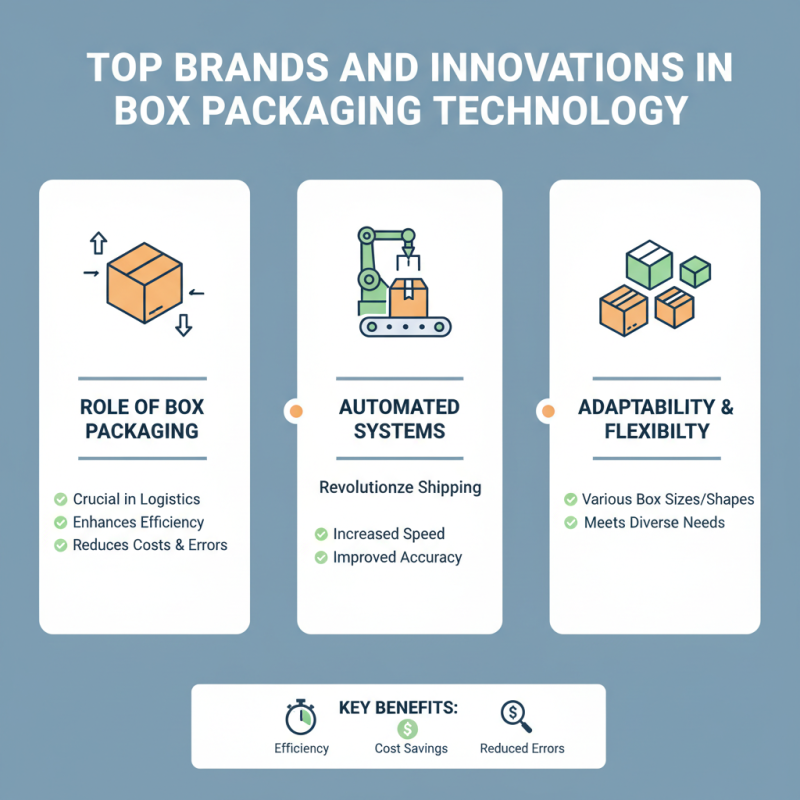
In the ever-changing landscape of logistics, box packaging technology plays a crucial role. Innovations in automated systems have revolutionized the shipping process. These technologies enhance efficiency, reduce costs, and minimize errors. Manufacturers are focusing on creating systems that can adapt to various box sizes and shapes. This flexibility is essential for meeting diverse customer needs.
A significant trend is the integration of AI and machine learning. These technologies analyze shipping patterns to optimize packaging solutions. They can help reduce material waste and improve delivery times. Moreover, the adoption of sustainable materials is becoming a focal point. Companies aim to lessen their environmental impact while maintaining functionality. The challenge lies in balancing cost and sustainability.
Not all automated systems are without flaws. Some may require frequent recalibration, which can disrupt workflow. Others might not efficiently handle fragile items. Continuous improvement and customization are necessary to address these shortcomings. Investing in training for staff is equally important. Knowledgeable personnel can maximize the benefits of these advanced systems, ensuring smooth operations and reduced downtime.