What is a Ball Mill and How Does it Work?
A Ball Mill is a crucial equipment in various industries, particularly in mineral processing and cement production. It is designed to grind materials into fine powder, enhancing surface area for chemical reactions. According to a report by Mordor Intelligence, the global ball mill market is projected to reach USD 4.6 billion by 2026, growing at a CAGR of 4.2%. This growth reflects its widespread application.
Ball Mills operate on the principle of impact and attrition. Materials are fed into a rotating cylinder, which contains grinding media, often made of steel or ceramic. As the cylinder rotates, the action breaks down the materials. This efficient grinding process allows for various applications. For instance, in gold processing, Ball Mills play a key role in extracting precious metals.
However, optimizing Ball Mill performance is not without challenges. Factors such as the size of the media and the rotation speed impact efficiency. Additionally, wear and tear can lead to operational inefficiencies. Effective monitoring systems are essential to maintain the performance of a Ball Mill, ensuring a reliable and cost-effective operation. Emphasizing the need for continuous improvement is vital in maximizing the benefits this equipment brings to industries.
What is a Ball Mill?
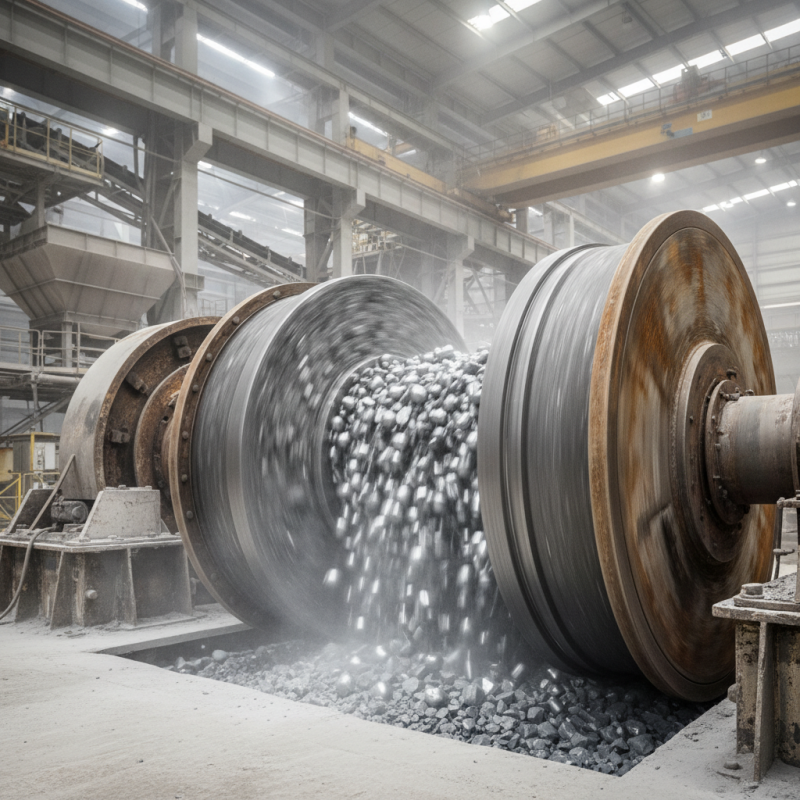
A ball mill is a type of grinder that is widely used in various industries. It consists of a rotating cylinder filled with balls that grind materials down to a fine powder. The design is relatively simple yet effective for many applications. This type of mill is essential in processes like mineral processing, cement manufacturing, and chemical production.
When materials are placed in the ball mill, gravity impacts them against the balls as the cylinder rotates. This action allows the balls to crush and grind the materials, creating a uniform particle size. The balls can be made of different materials, such as steel or ceramic, depending on the requirements of the processing task. However, not all materials will yield the same results. Some may require adjustments in speed or time for optimal grinding.
While ball mills are efficient, they also come with challenges. Operators must monitor wear and tear on the equipment. Over time, the internal lining and the balls themselves degrade. This means regular maintenance is necessary to keep the process running smoothly. Ineffective operation may result in uneven particle sizes or wasted energy. Understanding these challenges can help improve the efficiency of ball mill operations.
History and Development of Ball Mills
The ball mill, a vital component in various industries, has a rich history dating back to the late 19th century. Initially developed for mining applications, it allowed for the efficient grinding of minerals. The first commercial ball mills emerged around the 1880s. These devices were primarily used in gold and copper mines, significantly improving ore processing methods. By the early 20th century, their application expanded to cement production and other materials.
Research indicates that ball mills can operate with a grinding efficiency of about 30-50%. This has made them popular in both large-scale and small-scale operations. Industrial demand for finely ground materials has propelled continuous development. Innovations, like the introduction of digital monitoring systems, have enhanced their performance. Nonetheless, maintaining optimal efficiency is a challenge. Factors such as feed size and grinding media selection can greatly influence outcomes. Some studies even highlight that up to 25% of energy can be wasted through inefficiencies in traditional designs.
There is still much to learn from the evolution of ball mills. While they have become more efficient, issues remain. Problems with wear and maintenance persist, often impacting productivity. Industries must constantly adapt and innovate to overcome these challenges. The future of ball milling will likely involve integrating new technologies to improve operational reliability and reduce energy consumption.
Principle of Operation of a Ball Mill
A ball mill is a vital tool in the mining and materials processing industry. It operates on a simple principle. The mill is filled with grinding balls and the material to be crushed. As the mill rotates, gravity and centrifugal forces cause the balls to rise and fall, impacting the material.
This impact reduces the size of the particles through a combination of impact and attrition. The grinding process continues until the desired particle size is achieved. The efficiency of a ball mill largely depends on the speed of rotation. An optimal speed ensures maximum grinding while minimizing energy loss.
Tips: For optimal results, monitor the ball mill's loading levels. Overloading can lead to inefficient grinding. Regular maintenance is crucial to ensure stability during operation. Inspect and replace worn-out components promptly.
Understanding the principles of ball mill operation can lead to improved production outcomes. However, achieving perfect results isn't always possible. Experimentation with materials and settings is often needed. This iterative process can be frustrating but essential for success in achieving fine particle sizes.
Components and Design Features of Ball Mills
A ball mill is an essential piece of equipment in various industries, particularly in mineral processing. Its design features greatly influence its efficiency and usage. The basic components of a ball mill include a rotating cylindrical shell and grinding media. These media are typically balls made of materials like steel or ceramic. They help in breaking down materials into finer particles during the mill's rotation.
Another crucial aspect is the mill's drive mechanism. It often employs a motor connected to a gear or pulley system, ensuring stable and adjustable rotation speeds. Additionally, shell liners are installed to protect the interior of the mill while enhancing grinding efficiency. The design also involves features for easy maintenance, such as replaceable liners and access ports.
However, the complexity of ball mill design can lead to operational challenges. For example, improper alignment or excessive wear can hinder performance. Regular inspection is vital to address potential issues before they escalate. Accurate design and understanding of components can prevent costly downtime, which is often overlooked in many operations. Each detail matters in maximizing the mill's efficiency.
Applications and Uses of Ball Mills in Industry
Ball mills are crucial in various industries for grinding materials. They are widely used in cement production, mining, and chemical manufacturing. The design allows for high efficiency in processing different materials. According to industry reports, the global ball mill market is projected to reach $4.4 billion by 2026, growing at a CAGR of 5.8%. This indicates increasing reliance on ball mills for production efficiency.
In cement plants, ball mills grind clinker into fine powder. This process is essential for producing cement, which is the backbone of construction. Reports estimate that the cement industry consumes about 40% of the total global energy in grinding operations. This highlights the need for energy-efficient ball mill designs. In the mining sector, these mills facilitate the reduction of ore into smaller, manageable particles, improving extraction rates. Yet, not all applications achieve the desired efficiencies, often due to operational challenges.
Innovation in ball mill technology has led to advances in design and materials. Special coatings improve the lifespan of mill components, reducing maintenance costs. However, issues such as energy consumption remain a concern. Many users still grapple with balancing output and input efficiency. This illustrates the ongoing challenges in optimizing ball mill performance across industries.