Top Automated Packaging Trends to Watch in 2026
In the rapidly evolving landscape of automated packaging, 2026 promises to unveil significant innovations and trends. Industry expert Dr. Emily Johnson states, "The future of automated packaging hinges on efficiency and sustainability." As companies strive to meet consumer demands, automated packaging solutions are reshaping operations across various sectors. Efficiency is key. Companies need to adopt smarter technologies that minimize waste and reduce costs.
The trend towards eco-friendly materials and processes is becoming increasingly prominent. Many firms are pivoting towards biodegradable and recyclable packaging options. This transition is not without challenges. Achieving sustainability while ensuring product protection requires careful consideration. Additionally, the integration of artificial intelligence into packaging processes is expected to improve inventory management and precision. However, reliance on automation raises questions about workforce implications.
Automation in packaging also presents a double-edged sword. While it can enhance speed and efficiency, it creates uncertainty and potential job displacement. Balancing technological advancement with workforce needs remains an area for further reflection. The journey toward a fully automated packaging landscape is complex, filled with opportunities and obstacles to navigate.
Key Innovations in Automated Packaging Technology by 2026
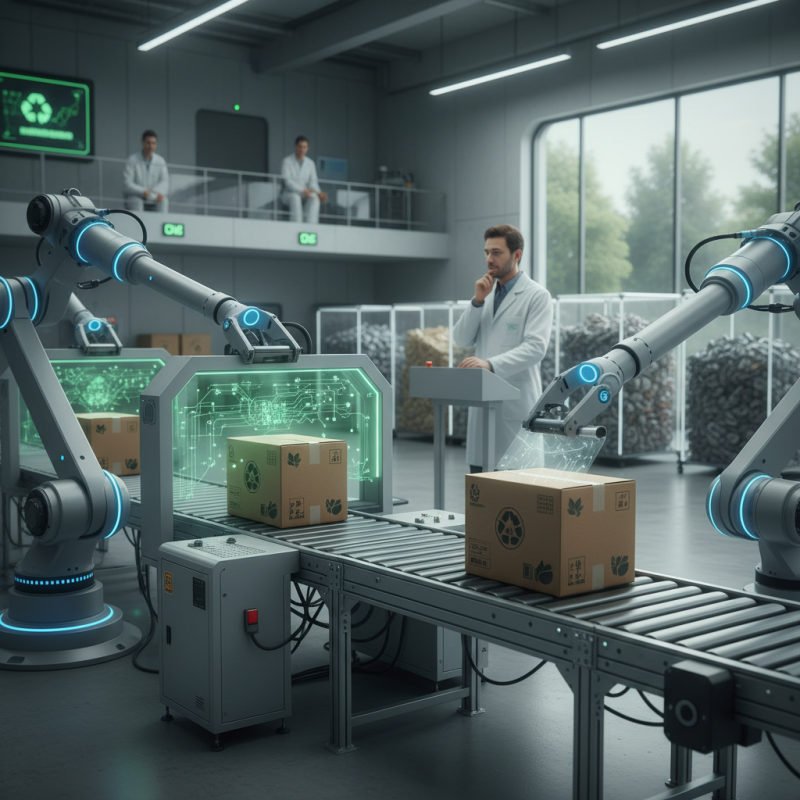
The landscape of automated packaging technology is evolving rapidly. By 2026, we can expect significant innovations. One of these innovations is smart packaging systems. These systems use sensors to monitor and track products. They can ensure that items remain in optimal conditions throughout the supply chain. Imagine a package that can alert you when it is exposed to unfavorable temperatures. This will not only enhance product quality but also reduce waste.
Another trend is the rise of eco-friendly materials. As sustainability becomes more critical, packaging solutions that minimize environmental impact will gain prominence. Biodegradable films and recycled materials will be pivotal. However, achieving the right balance between durability and sustainability is challenging. Companies must think creatively to address this issue.
Robotic automation will play a significant role too. Machines can now work with greater precision. They reduce labor costs and increase efficiency. Yet, integrating these systems into existing processes may present challenges. Training staff to work alongside robots may require time and resources. The journey to full automation is not without hurdles. Companies will need to reflect on their strategies as they navigate these changes.
Sustainability Initiatives Driving Automated Packaging Trends
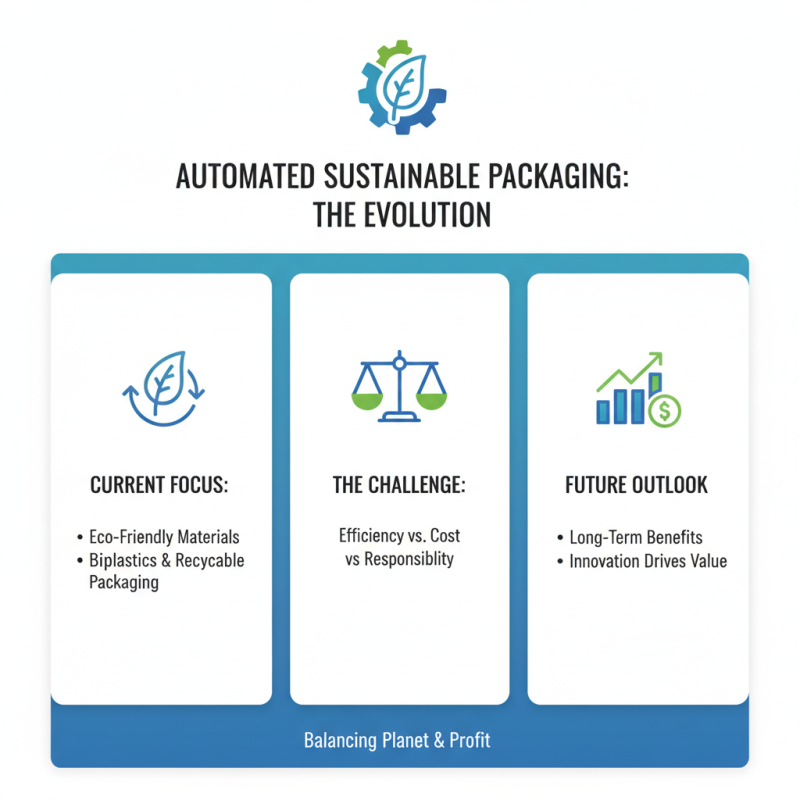
As sustainability takes center stage, automated packaging is evolving. Companies are now focusing on eco-friendly materials. Innovative bioplastics and recyclable packaging are becoming the norm. It’s still challenging to balance efficiency with environmental responsibility. Many firms hesitate due to cost concerns, but the long-term benefits are tangible.
Automation is also enhancing the packaging process. Robots are capable of handling various materials. They reduce waste during production. Yet, some organizations struggle with integrating these technologies. Workforce training remains a hurdle. Striking the right balance between automation and human labor is crucial for sustainable progress.
Consumer demand for transparency is rising. People want to know where their products come from. Transparent supply chains are becoming essential. However, not all companies have systems in place to satisfy this curiosity. It requires investment and commitment. The push for greener practices may lead to better packaging methods, even if challenges persist.
Impact of Artificial Intelligence on Automated Packaging Solutions
The rise of artificial intelligence is reshaping automated packaging solutions. In 2026, it's projected that AI-driven systems will enhance efficiency by 30%. This surge comes from the demand for faster and smarter production lines. With AI, machines can learn from data, optimizing packaging designs in real time.
Current reports forecast a significant increase in the adoption rate of AI in this sector. By 2025, nearly 60% of packaging operations might employ some form of AI. This trend reflects a growing need for precision and adaptability. However, challenges remain. Not all companies are ready for such rapid technological changes.
Moreover, the integration of AI could lead to job displacement. Workers might need to upskill or transition to new roles. This potential impact on employment raises important questions. Are we prepared for these shifts? The future of packaging is promising, yet it remains a complex landscape to navigate.
Top Automated Packaging Trends to Watch in 2026
This chart illustrates the projected impact of various technologies on automated packaging solutions by 2026. The data highlights the increasing influence of artificial intelligence (AI), robotics, and sustainability practices.
Emerging Robotics Technologies Transforming Packaging Operations
The packaging industry is on the brink of a revolution. Robotics technologies are driving this change. In 2026, companies can expect to see automation increasing efficiency and reducing errors. According to a recent report, automated packaging solutions can increase productivity by up to 30%. This shift means companies can respond quicker to market demands.
Robotics is transforming tasks like sorting, packing, and labeling. Automated pick-and-place systems are gaining traction. These systems work tirelessly, enhancing precision. They also reduce the risk of workplace injuries, a significant concern in fast-paced environments. While this is promising, companies must continuously adapt their operations. The integration of advanced robotics requires ongoing training and a willingness to innovate.
**Tip:** Regularly evaluate your team's readiness for technology integration. Create a culture that embraces change and encourages feedback.
Investing in robots is not just about cost. It’s also about the human element. Finding the right balance between automation and manual labor remains a challenge. Some workers may fear job loss. Leaders must communicate the benefits clearly. This transparency fosters cooperation and helps employees see the value of robots in their roles.
**Tip:** Engage employees in discussions about automation benefits. Consider workshops that highlight new technologies and their implications.
Top Automated Packaging Trends to Watch in 2026
| Trend |
Description |
Projected Impact |
Technology Involved |
| Robotic Automation |
Increased use of robots for packing and palletizing |
Enhanced efficiency and reduced labor costs |
AI, Machine Learning |
| Smart Packaging |
Integration of QR codes and sensors for tracking |
Improved traceability and consumer engagement |
IoT, RFID |
| Sustainable Materials |
Shift to biodegradable and recyclable packaging solutions |
Reduction of environmental impact |
Bioplastics, Compostable Materials |
| Customizable Packaging |
On-demand production of tailored packaging |
Enhanced customer satisfaction and brand loyalty |
3D Printing |
| Data-Driven Analytics |
Use of data analysis to optimize packaging processes |
Increased operational efficiency and cost savings |
Big Data, Cloud Computing |
Future Consumer Expectations Shaping Automated Packaging Design
As consumer expectations evolve, automated packaging design must adapt creatively. The demand for sustainability is growing. Shoppers prefer eco-friendly materials. They want packaging that reduces waste. This shift challenges manufacturers to explore innovative solutions.
Additionally, consumers seek convenience in their purchasing experience. Smart packaging features like QR codes are gaining traction. These elements enhance interaction and provide information. However, balancing usability with aesthetics remains a struggle. Designers grapple with how to create visually appealing yet functional packaging.
Customization is becoming a key trend. Personalized experiences resonate with today's buyers. Automated packaging can cater to individual preferences, but it risks becoming overly complex. Striking the right balance between personalization and simplicity is essential. Future designs must reflect these consumer desires while keeping efficiency in mind.